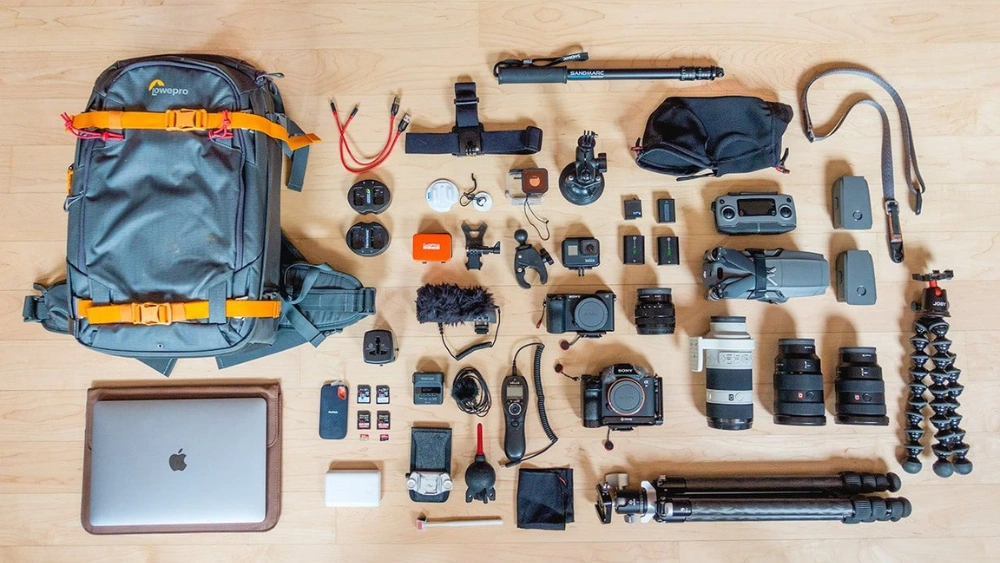
Choosing the right camera bag can make all the difference in protecting your gear and making your photography experience smoother. You want a bag that fits your camera, lenses, and accessories perfectly, but also matches your style and comfort needs.
With so many options out there, it’s easy to feel overwhelmed. This guide will help you cut through the noise and find the perfect camera bag that works for you. Keep reading, and by the end, you’ll know exactly what to look for to keep your gear safe and ready for your next shot.
Credit: gearjunkie.com
Types Of Camera Bags
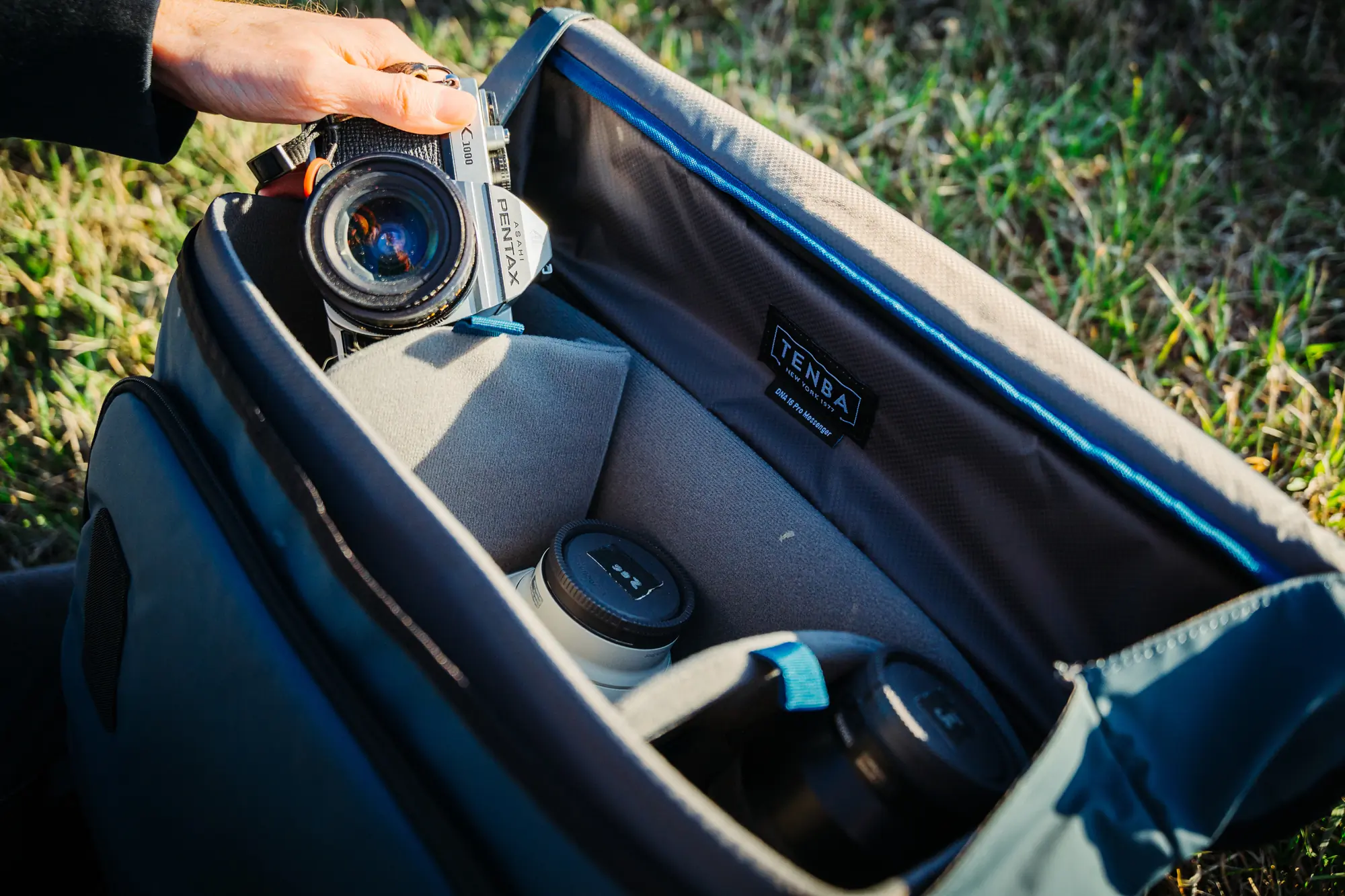
Choosing the right camera bag can make a huge difference in how you carry and protect your gear. Different types of bags offer unique benefits depending on your shooting style, gear size, and comfort needs. Understanding these types helps you pick a bag that fits your routine perfectly.
Backpacks
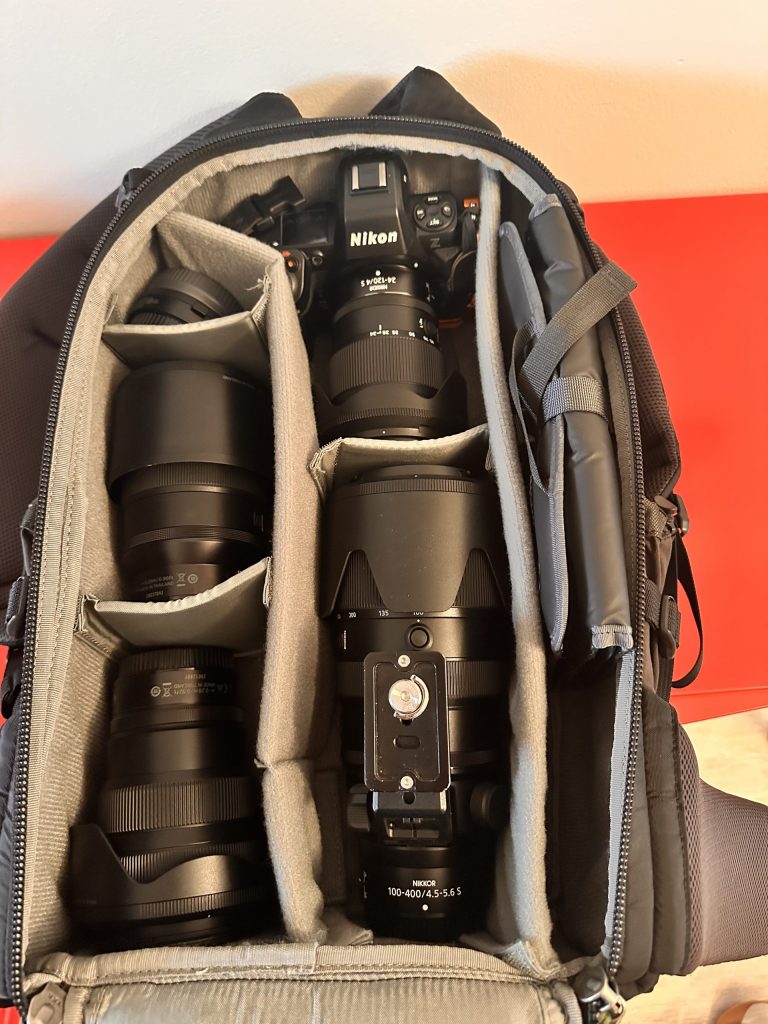
Backpacks are ideal if you carry a lot of equipment or shoot for long hours. They distribute weight evenly on both shoulders, reducing strain. Many models come with customizable compartments, making it easy to organize lenses, bodies, and accessories.
Think about your daily routes—do you walk a lot or use public transport? A backpack keeps your hands free and offers extra space for personal items like a water bottle or a laptop. If you’ve ever struggled with a sore shoulder after a day of shooting, a backpack might solve that problem.
Messenger Bags
Messenger bags give quick access to your camera without removing the bag completely. They are worn across one shoulder, allowing you to swing the bag to the front instantly. This is great for street photographers who need to react fast to moments.
However, messenger bags can cause uneven weight distribution, which might tire you out on longer shoots. If you prefer style and accessibility over carrying heavy gear, this could be your best choice. Ask yourself how often you need to grab your camera quickly during your shoots.
Shoulder Bags
Shoulder bags are simpler and usually lighter than backpacks or messenger bags. They offer decent padding and protect your gear from bumps and scratches. These bags work well if you carry a minimal setup and want something easy to grab and go.
Consider whether you prefer a compact bag that doesn’t attract too much attention or something with a bit more storage. Shoulder bags can be more stylish and less bulky, but they might not be comfortable for long carrying periods. What’s your typical gear load for a day out?
Sling Bags
Sling bags sit comfortably on your back or side and can be rotated to the front quickly. They combine the accessibility of messenger bags with some weight distribution benefits of backpacks. This makes them a popular choice for active photographers who move around a lot.
If you need to switch shoulders or want to avoid heavy straps digging into one side, a sling bag offers flexibility. They usually have one main strap, so check if that feels comfortable for your body type. Have you noticed how often you change shoulders during shoots?
Hard Cases
Hard cases provide the best protection for delicate and expensive gear. They are often water-resistant and shockproof, making them perfect for travel or rough conditions. These cases come with customizable foam inserts to secure each piece of your equipment tightly.
While hard cases are bulky and less convenient for casual outings, they are a must-have for professional photographers traveling by plane or working in extreme environments. Do you prioritize protection over portability? This is an important question to consider before choosing a hard case.
Key Features To Look For
Choosing the right camera bag means focusing on features that protect your gear and fit your shooting style. You want a bag that not only holds everything but also keeps it safe and easy to access. Here are the key features you should check before making your choice.
Size And Capacity
Think about the gear you carry daily. Does your camera bag fit your camera body, lenses, and accessories without being too bulky? A bag that’s too small will force you to leave essential items behind, while an oversized one can be heavy and awkward to carry.
Ask yourself: Will you expand your kit soon? Choosing a bag with adjustable compartments can save you from buying a new one later.
Padding And Protection
Padding is crucial for shielding your equipment from bumps and drops. Look for bags with thick, high-quality foam inserts that absorb shocks well.
Remember, a camera is an investment. I once saw a friend’s expensive lens survive a tough fall because of the bag’s excellent padding. Don’t underestimate this feature.
Weather Resistance
Rain or shine, your camera gear needs protection. Bags made from water-resistant materials or those that come with rain covers keep your equipment dry and safe.
Consider where you usually shoot. Do you often find yourself outdoors in unpredictable weather? A weather-resistant bag might be your best friend.
Accessibility
Quick access to your camera can make or break a shot. Bags with multiple compartments and easy-to-open zippers help you grab your gear fast.
Does your bag allow you to reach your camera without removing it completely? If not, you might miss unexpected moments worth capturing.
Weight And Comfort
You’ll carry your camera bag for hours, so comfort matters. Look for padded straps and ergonomic designs that distribute weight evenly.
Heavy bags can tire you out quickly. I switched to a lightweight bag with breathable straps, and it made long photo walks much more enjoyable. What’s your tolerance for weight on your shoulders?
Material Choices
Choosing the right material for your camera bag affects durability, comfort, and style. The material influences how well the bag protects your equipment. It also impacts weight and how the bag handles different weather conditions. This section covers common materials and their benefits.
Nylon And Polyester
Nylon and polyester are popular for camera bags due to their strength. These materials resist tears and abrasions well. They are lightweight, making the bag easier to carry all day. Nylon often has a smoother finish, while polyester can feel a bit rougher. Both dry quickly if they get wet. They suit photographers who need a practical, everyday bag.
Leather
Leather offers a classic, stylish look for camera bags. It is strong and ages well, gaining character over time. Leather bags are usually heavier and require care to avoid cracks. They are water-resistant but not fully waterproof. A leather bag fits photographers who prefer elegance and durability in one package.
Canvas
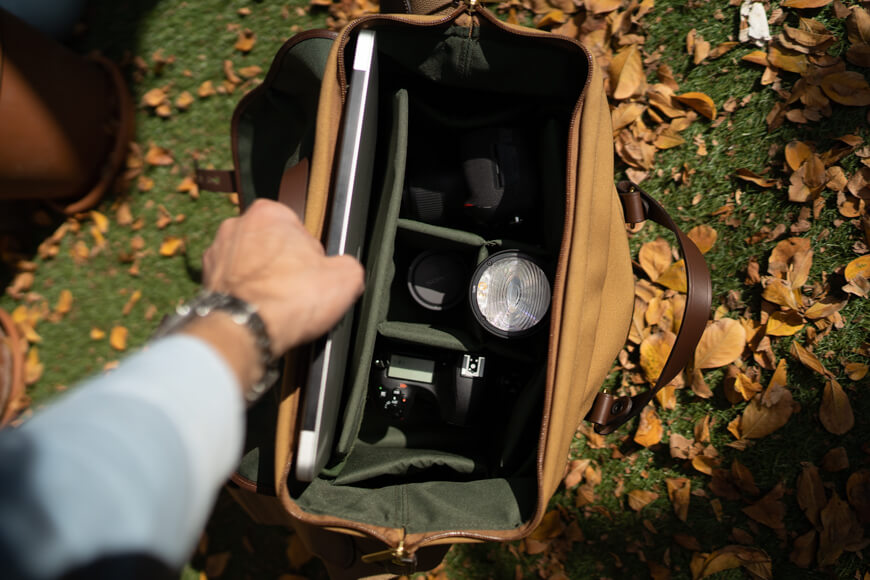
Canvas is a natural fabric that gives a rugged, vintage feel. It is thick and sturdy, protecting gear from bumps. Canvas bags are breathable and become softer with use. They can stain or fade but often look better with age. This material is great for photographers who like a casual, tough bag.
Waterproof Fabrics
Waterproof fabrics keep your gear dry in rain or snow. These materials include coated nylon or special synthetics. They prevent water from soaking through, protecting your camera. Bags with waterproof fabrics often have sealed zippers and seams. Ideal for outdoor photographers or anyone facing wet conditions regularly.
Credit: www.thephotoargus.com
Organizational Elements
Choosing the perfect camera bag is like assembling a toolbox for your creative journey. Organizational elements can make or break your experience, ensuring all your gear is accessible and safe. Imagine finding everything you need without rummaging through chaos. Let’s dive into the key organizational features that can transform your photography adventures.
Compartments And Dividers
Compartments and dividers are essential for keeping your camera and lenses snug and secure. Look for adjustable dividers that can be customized to fit your gear. This flexibility allows you to adapt as your equipment evolves. A well-organized bag prevents scratches and damage, giving you peace of mind. Have you ever spent precious minutes searching for your lens while the perfect shot slipped away?
Accessory Pockets
Accessory pockets are the unsung heroes of camera bags. They store everything from batteries to filters, ensuring you’re always ready for the next shot. Choose bags with zippered pockets to keep smaller items secure. Reflect on a time when you needed a fresh battery urgently—having a pocket dedicated for quick access could save the day. What accessories do you frequently use?
Tripod Holders
If you often find yourself needing stability for your shots, a tripod holder is a must-have. It eliminates the hassle of carrying a separate bag for your tripod. Check for sturdy straps or loops that can handle the weight and size of your tripod. Imagine capturing a stunning landscape without struggling to balance your gear. Is your tripod holder up to the task?
Memory Card Storage
Memory card storage is vital for the digital photographer. Look for dedicated slots or pouches that keep your cards organized and protected from dust and moisture. Losing a memory card can mean losing valuable moments. Consider a bag with built-in labeling options to track your cards. How do you currently store your memory cards?
Style And Design Considerations
Choosing a camera bag isn’t just about protection and storage; style and design play a crucial role in how comfortable and confident you feel carrying your gear. Your bag should reflect your personality and meet your practical needs without making you look out of place. Think about where you’ll be using the bag most often and what kind of statement you want it to make.
Professional Vs Casual
Are you heading to business meetings or casual photo walks? Professional camera bags often have a sleek, minimalistic design with clean lines and neutral colors. They blend well in corporate settings and won’t draw unwanted attention to your expensive equipment.
Casual bags, on the other hand, can be more colorful and expressive. They often come with extra pockets and playful patterns, perfect for travel or street photography. Your choice here affects not only how others see you but also how easily you can access your gear on the go.
Color Options
Color impacts both style and practicality. Darker colors like black, navy, or olive hide dirt and wear better, which is ideal for rugged outdoor shoots. Meanwhile, lighter or brighter colors can make your bag easier to spot in a busy environment or among other gear.
Think about your lifestyle—do you want your bag to stand out or blend in? Some photographers prefer neutral shades for versatility, while others select vibrant colors to express their creativity. What would make you feel more confident carrying your camera every day?
Brand Reputation
The brand you choose can say a lot about the quality and design of your camera bag. Trusted brands often invest in durable materials and thoughtful features, which means your bag can last through many adventures. Reading reviews and checking out user feedback can save you from costly mistakes.
Sometimes, smaller or lesser-known brands offer innovative designs that big names don’t. Don’t hesitate to explore beyond the obvious choices if you want something unique. Which brands have you heard good things about from fellow photographers?
Budget And Price Range
Choosing a camera bag starts with setting a clear budget. Your price range affects the materials, size, and features available. Knowing your budget helps narrow down options and find the best value for your money.
Camera bags come in many price points. Each range offers different benefits and durability. Understanding what fits your budget ensures you get a bag that meets your needs without overspending.
Affordable Options
Affordable camera bags suit beginners or occasional shooters. They offer basic protection and storage. Most use lightweight materials and simple designs.
- Good for small cameras and minimal gear
- Often water-resistant but not waterproof
- Limited padding and compartments
- Easy to carry and budget-friendly
Mid-range Bags
Mid-range bags balance cost and quality. They provide better protection and more space. Ideal for hobbyists with growing camera kits.
- Stronger materials and better padding
- Multiple compartments for lenses and accessories
- Comfortable straps for longer use
- Some weather resistance features
Premium Choices
Premium camera bags suit professionals and serious photographers. They use top materials and advanced designs. These bags often have lifetime warranties.
- Highly durable and water-resistant fabrics
- Customizable compartments and modular inserts
- Ergonomic designs for heavy gear
- Additional features like tripod holders and security locks
Tips For Testing A Camera Bag
Testing a camera bag before you buy it can save you from costly mistakes and frustration. A bag might look perfect online, but the real test happens when you load it up and carry it around. Knowing what to check helps you pick a bag that truly fits your needs and style of shooting.
Fitting Your Gear
Start by placing all your essential gear inside the bag. Does your camera body fit comfortably along with lenses, batteries, and accessories? Pay attention to whether the compartments keep your items secure without too much empty space causing movement.
Try different gear setups to see if the bag adapts to what you carry most. If you have a bulky lens or a drone, does the bag accommodate it without forcing you to stuff or rearrange awkwardly? Think about how often you swap equipment and if the bag makes that easy.
Checking Comfort
Put the bag on your shoulders and adjust the straps as you would during a shoot. How does it feel after a few minutes? Look out for pressure points or straps digging into your skin, especially if you plan to carry it for hours.
Walk around with the loaded bag and notice if it stays balanced or shifts uncomfortably. Is the weight evenly distributed, or do you feel strain on one side? Comfort can make or break your shooting day, so don’t overlook this step.
Assessing Durability
Inspect the bag’s material for thickness, stitching, and quality of zippers. Does the fabric feel like it can withstand rain, rough surfaces, or frequent handling? A flimsy bag might look great but won’t protect your gear in tough conditions.
Test the zippers and closures by opening and closing them several times. Do they glide smoothly or catch? Consider bags with reinforced corners or water-resistant coatings if you shoot outdoors often.
Credit: mintatravels.com
Frequently Asked Questions
What Size Camera Bag Do I Need For My Gear?
Choose a bag that fits your camera, lenses, and accessories comfortably. Consider extra space for future gear upgrades. Measure your equipment before buying to ensure a perfect fit.
Which Material Is Best For A Durable Camera Bag?
Look for bags made of water-resistant nylon or polyester with reinforced stitching. These materials protect gear from weather and wear, ensuring long-lasting durability.
How To Organize Camera Gear Inside The Bag?
Use padded dividers to separate and protect each item. Keep frequently used accessories in external pockets for easy access and maintain order during travel.
Are Backpack Or Shoulder Bags Better For Photographers?
Backpacks offer balanced weight distribution, ideal for long trips. Shoulder bags provide quick access but may cause strain during extended use. Choose based on comfort and shooting style.
Conclusion
Choosing the right camera bag protects your gear and fits your style. Think about size, comfort, and pockets for organization. A good bag makes carrying easier and keeps your equipment safe. Take your time to compare options and pick what feels best.
Your camera deserves a bag that works well every day. Keep these tips in mind for smart, simple choices. Ready to find your perfect camera bag?