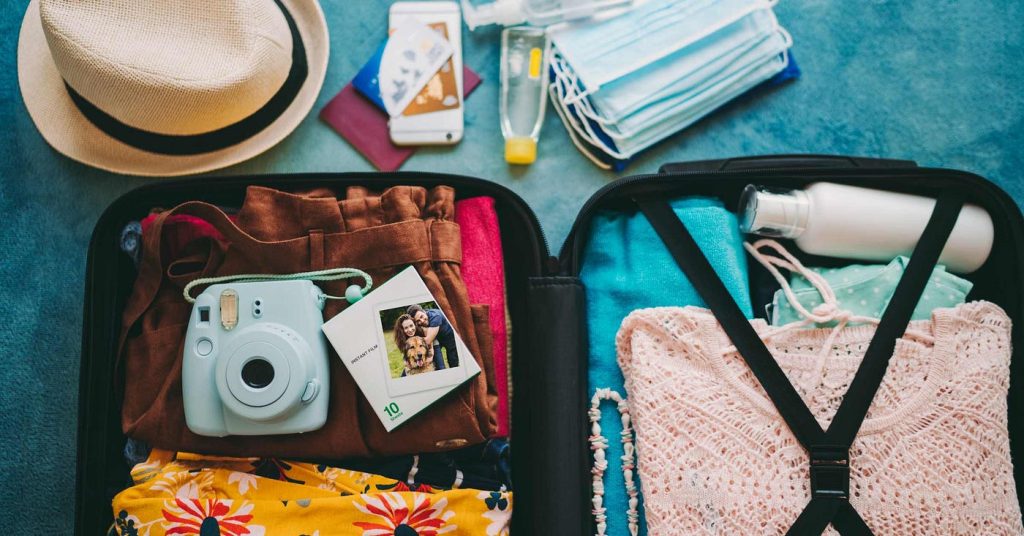
Are you wondering if you can bring a camera bag on a plane without any hassle? If you’re planning to travel with your camera gear, it’s normal to worry about airport rules and whether your bag will be allowed as carry-on or checked luggage.
You don’t want to face surprises at security or risk damage to your expensive equipment. You’ll find clear answers and smart tips to help you pack your camera bag the right way, so your trip starts smoothly and your gear stays safe.
Keep reading to learn exactly what you need to know before you fly.
Credit: www.youtube.com
Carry-on Camera Bag Rules
Knowing the rules for carrying a camera bag on a plane helps avoid delays. Airlines have specific guidelines for camera bags as carry-on items. Following these rules ensures your equipment stays safe and you breeze through security.
Airline Policies On Camera Bags
Airlines treat camera bags like regular carry-ons but with extra care. Most allow one camera bag in addition to your personal item. Some require the bag to fit under the seat or in overhead bins. Always check your airline’s website for exact camera bag rules.
Size And Weight Limits
Camera bags must meet size limits similar to carry-on luggage. Typical dimensions are around 22 x 14 x 9 inches. Weight limits often range from 7 to 15 pounds. Oversized or heavy bags may need to be checked or repacked.
Approved Camera Bag Types
Soft-sided bags and backpacks designed for cameras usually pass security. Hard cases with secure locks are also accepted but may be inspected. Avoid bulky or oversized bags that do not fit standard carry-on rules. Compact, padded bags protect your gear and meet airline standards best.

Credit: www.reddit.com
Packing Camera Gear Safely
Packing camera gear safely is essential for air travel. Protecting your equipment prevents damage during handling and transit. Proper packing also makes security checks smoother at the airport. Organize your gear to avoid stress and keep everything accessible. Use the right materials and techniques to shield fragile items. This helps ensure your camera and lenses arrive in perfect condition.
Protective Case Options
Choose a hard case for maximum protection. These cases resist impacts and pressure. Soft cases offer lightweight convenience but less protection. Look for cases with padded interiors and customizable compartments. Waterproof cases guard against moisture and spills. Make sure the case fits your camera gear snugly. A well-fitted case stops items from moving around.
Organizing Lenses And Accessories
Separate lenses and accessories using padded dividers. Keep small items like batteries and memory cards in clear pouches. Label each pouch for easy identification. Arrange gear to avoid pressure on delicate parts. Pack heavier items at the bottom to balance weight. Use foam inserts to cushion sensitive equipment. Avoid overpacking to reduce stress on your gear.
Handling Fragile Equipment
Wrap delicate lenses in microfiber cloths or lens pouches. Use bubble wrap or foam sheets for extra padding. Avoid placing heavy items on top of fragile gear. Carry your camera bag as hand luggage if possible. Inform security about delicate equipment during screening. Inspect gear before and after the flight for damage. Take your time when packing and unpacking to avoid accidents.
Security Screening Tips
Carrying a camera bag on a plane is usually allowed but must go through security checks. Make sure your bag is easy to open and remove electronics for screening. Packing neatly helps speed up the process and avoids delays at security.
When traveling with your camera bag, navigating airport security can be a breeze with the right preparation. Do you often find yourself anxious about delays or mishaps at the security checkpoint? With a few simple tips, you can sail through security checks without a hitch. Let’s delve into practical strategies that ensure your camera gear makes it onto the plane smoothly.
Preparing Camera Bags For Tsa
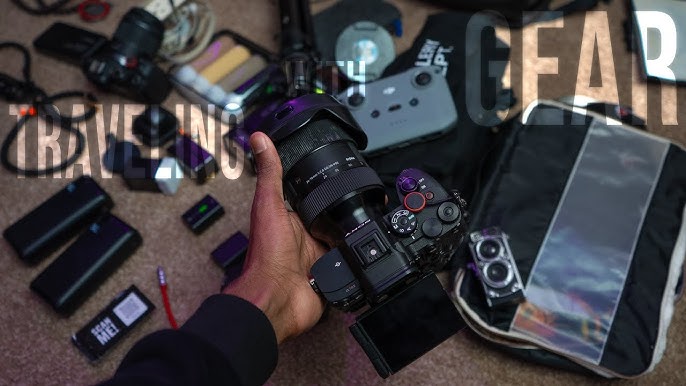
Before heading to the airport, think about how your camera bag is organized. Security personnel need to inspect your gear, so pack it in a way that makes examination easy. Place your camera and lenses in separate compartments for easy access. Use clear plastic bags for batteries and small accessories. This way, security agents can swiftly identify what’s inside without rummaging through your entire bag. Consider removing bulky items that could obscure the view, like large camera straps or tripods. This not only speeds up the process but also reduces the chances of your bag being flagged for extra inspection.
Dealing With Security Checks
When you approach the security checkpoint, stay calm and be ready to follow instructions. Being proactive can make a significant difference. Have your camera and electronics out of the bag and in a bin for individual scanning. This is often required, but doing it preemptively can save time. Also, remember to declare any film rolls to avoid damage from X-ray machines. If you’re unsure about procedures, don’t hesitate to ask security staff for guidance. They are usually more than willing to assist, especially if you’re courteous and cooperative.
Avoiding Common Delays
Avoid common pitfalls that lead to delays and frustration. One frequent mistake is forgetting to remove metal objects from your bag, such as tripods or camera mounts. These can trigger alarms and require additional scanning. Ensure your batteries are within the allowed limits and are packed correctly. Loose batteries can cause scrutiny, so keep them in their designated slots or cases. Finally, timing is crucial. Arrive at the airport with plenty of time to spare. Rushing through security increases stress and the likelihood of making mistakes. Planning ahead gives you a buffer to address any unexpected issues calmly. By following these tips, you’ll find that security screening can be a straightforward part of your travel experience, allowing you to focus on capturing beautiful moments with your camera.
Checked Vs. Carry-on Bags
Deciding whether to check your camera bag or carry it on can greatly impact the safety and accessibility of your gear during travel. Each choice comes with its own set of advantages and risks that you need to weigh carefully. Understanding these can help you protect your valuable equipment and make your trip smoother.
Risks Of Checking Camera Gear
Checked bags often face rough handling, which can lead to damage. Cameras and lenses are delicate, and even padded bags might not be enough to prevent harm from drops or pressure.
There’s also a higher chance of theft or loss when your camera bag is out of sight. Once checked, you can’t keep an eye on your gear, which can be stressful if you have expensive equipment.
Customs inspections can sometimes cause delays or even mishandling of your bag, increasing the risk of damage or loss.
Benefits Of Carrying On
Keeping your camera bag with you ensures constant supervision. You can quickly access your gear for any unexpected photo opportunities during layovers or delays.
Carry-on bags are less likely to be damaged as they are handled more gently and stay with you throughout the journey. This reduces the risk of physical damage and theft significantly.
Many photographers find peace of mind knowing their equipment is in sight, which can reduce travel stress and help them focus on capturing great shots.
When To Choose Each Option
If your camera gear is bulky or heavy, checking it might be necessary to comply with airline carry-on size limits. However, use a hard case with excellent padding if you go this route.
For shorter trips or when carrying fewer lenses and accessories, carry-on is usually better. It allows you to keep control over your equipment and avoid the risks of checked baggage.
Consider the destination and airport security procedures too. Some locations have stricter rules, and carrying on your gear might speed up your travel process.
Ask yourself: How much access will I need to my camera during travel? How valuable and fragile is my equipment? These questions can guide your decision toward the safest and most practical option.
Additional Travel Advice
Traveling with camera gear requires extra care and planning. Protecting your equipment ensures a smooth trip and great shots. Here is some advice to keep your gear safe and ready.
Insurance For Camera Equipment
Camera gear is costly and fragile. Insurance covers damage, loss, or theft during travel. Look for policies that cover international trips and all equipment types. Check if your homeowner’s or renter’s insurance already offers some coverage. Always keep receipts and photos of your gear for claims.
Keeping Gear Safe During Transit
Use a sturdy, padded camera bag with compartments. Keep the bag with you as carry-on luggage. Avoid checking in valuable gear to reduce risk of damage or loss. Use lens caps, body caps, and wrap lenses in soft cloth. Carry silica gel packs to prevent moisture damage. Secure your bag with locks or zippers.
Customs And International Travel
Declare your camera gear at customs when required. Carry a list or photos of your equipment to prove ownership. Check the rules of each country for camera gear import and export. Some countries have strict regulations or duties on professional equipment. Prepare documents like rental agreements or invoices if gear is not yours.
Credit: veronicahanson.medium.com
Frequently Asked Questions
Can You Carry A Camera Bag As A Carry-on Item?
Yes, most airlines allow camera bags as carry-on items. Ensure your bag meets size and weight limits. Always check airline policies before flying to avoid surprises at security.
Are Camera Bags Allowed In Checked Luggage?
Camera bags can be placed in checked luggage but are not recommended. Fragile equipment risks damage or theft. Carrying them onboard is safer for your gear.
What Items Are Restricted In A Camera Bag On Planes?
Sharp tools like knives or large batteries are restricted. Cameras, lenses, and accessories are generally allowed. Check TSA guidelines for specific prohibited items in camera bags.
Do I Need To Declare My Camera Bag At Security?
You don’t usually need to declare a camera bag separately. However, be prepared to remove equipment for screening. Follow TSA instructions to ensure smooth security checks.
Conclusion
Carrying a camera bag on a plane is usually allowed. Follow airline rules about size and weight limits. Keep your camera gear safe and organized inside the bag. Always check security guidelines before packing your bag. Being prepared helps avoid delays at the airport.
Your camera equipment stays protected during travel. Travel smart and enjoy capturing great moments on your trip.