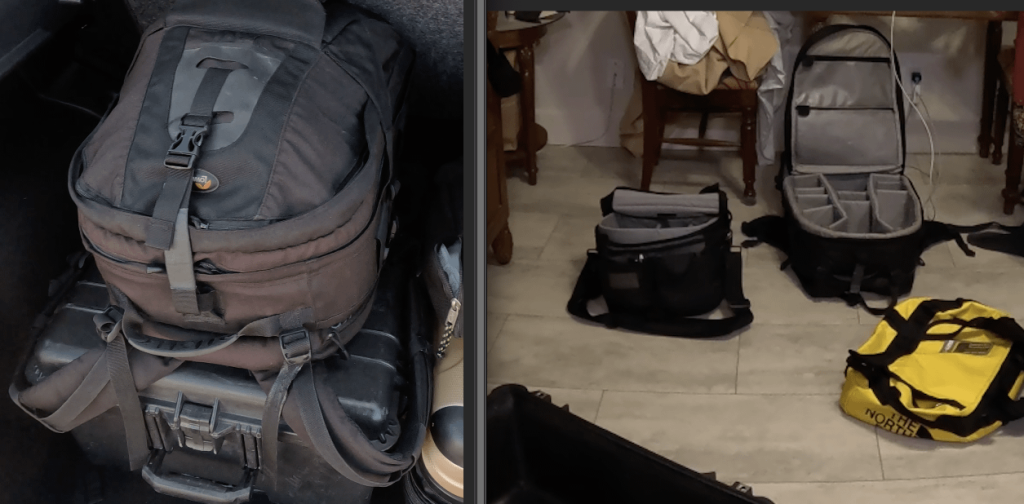
Are you planning to bring your camera gear on a flight but unsure if your camera bag counts as a carry-on? You’re not alone.
Knowing whether your camera bag fits the airline’s rules can save you stress, extra fees, and even damage to your equipment. You’ll discover exactly what makes a camera bag acceptable as carry-on luggage and how to pack it smartly. Keep reading to make sure your camera gear travels safely with you every time.

Credit: www.youtube.com
Carry On Rules For Camera Bags
Understanding the carry on rules for camera bags can save you from last-minute hassles at the airport. Camera bags often contain delicate and expensive gear, so knowing what you can bring on board is crucial. Let’s break down the key rules you need to keep in mind to ensure a smooth travel experience.
Airline Size Limits
Each airline has specific size limits for carry on bags, and camera bags are no exception. Typically, carry on dimensions range around 22 x 14 x 9 inches, but these can vary. It’s a good idea to check your airline’s website before packing your camera bag.
Camera bags designed for travel often fit within these limits. However, if your bag is bulky due to extra lenses or tripods, it might exceed the allowed size. Have you measured your bag recently? A quick check can prevent surprises at the gate.
Weight Restrictions
Weight limits for carry on items differ widely between airlines, usually ranging from 15 to 22 pounds. Camera equipment can be heavy, especially with multiple lenses and accessories. You might want to weigh your packed bag at home to avoid fees or forced check-in.
Some travelers split their gear between their camera bag and a personal item to stay under weight limits. Think about what you really need for your trip and pack smart. Could you leave behind a heavy lens or accessory?
Security Screening Tips
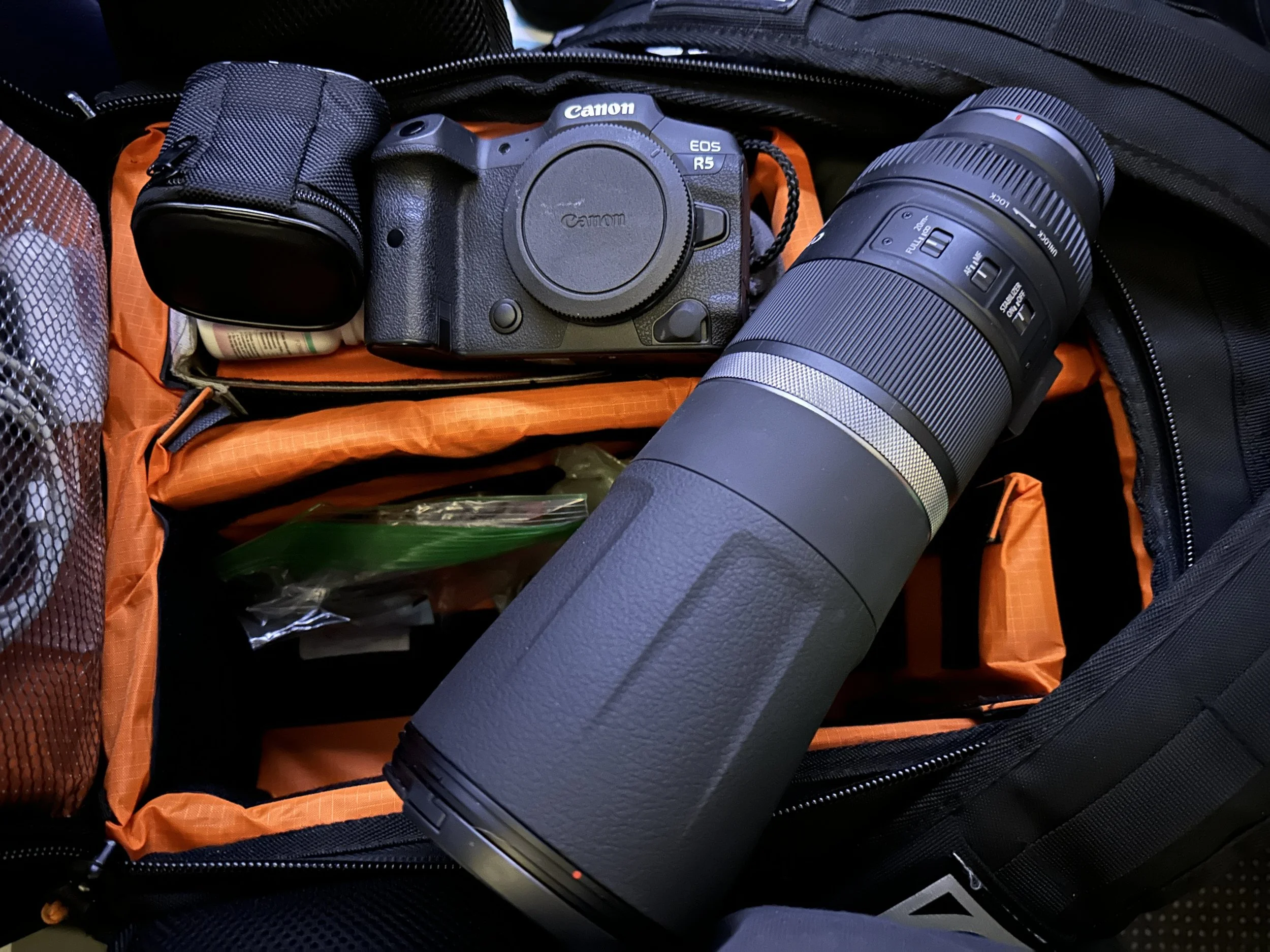
Camera bags often draw extra attention at security checkpoints because of the electronic equipment inside. To speed up screening, organize your gear so that laptops, tablets, and camera bodies are easy to remove. Using clear compartments or padded dividers helps security officers see what’s inside without unpacking everything.
Be prepared to take your camera out for separate inspection if asked. Sharing your plan to pack efficiently can sometimes ease the process. How do you arrange your gear to make security checks less stressful?
Credit: sdmdiving.com
Choosing The Right Camera Bag
Choosing the right camera bag can make a huge difference in your travel experience. It’s not just about carrying your gear; it’s about protecting it, staying organized, and moving through airport security with ease. Your choice should reflect your shooting style, gear size, and how you plan to carry it during your trip.
Compact Vs. Large Bags
Compact bags are perfect if you travel light or prefer to carry only the essentials. They fit easily under airplane seats and often meet carry-on size limits without hassle. But, if you have multiple lenses, a tripod, or extra accessories, a large bag might be necessary.
Large bags offer more space and better padding but can be bulky and harder to manage. Think about how much gear you really need on your trip—does a bigger bag add stress or convenience?
Protective Features
Your camera gear is an investment, so protection is key. Look for bags with thick padding, reinforced corners, and water-resistant materials to shield your equipment from bumps and weather. Some bags include customizable dividers that let you snugly fit your gear, reducing movement and risk of damage.
Have you ever had to rush through busy terminals? Bags with sturdy zippers and lockable compartments can keep your gear safe from theft as well.
Accessibility And Organization
Quick access to your camera can mean capturing a moment before it’s gone. Bags with side or top openings let you grab your camera without removing the entire bag. Internal compartments help keep lenses, batteries, and memory cards neatly organized.
Think about how you shoot. Do you switch lenses often? You might want a bag that allows you to access specific sections easily. Some bags even have external pockets for personal items like passports and phones, streamlining your travel process.
Packing Camera Gear Efficiently
A camera bag often qualifies as a carry-on item on most airlines. Packing gear efficiently helps protect equipment and keeps essentials easy to reach. Choose a compact bag with padded compartments for better organization and safety.
Packing your camera gear efficiently is crucial when considering whether your camera bag can serve as a carry-on. Not only does this help you adhere to airline regulations, but it also ensures your precious equipment is safe and organized. Let’s dive into how you can pack your camera gear like a pro.Essential Equipment To Carry
When deciding what to pack, focus on the essentials. A camera body and a versatile lens are must-haves. You might want to include a portable tripod, as it can be a lifesaver for stable shots. Don’t forget extra batteries and memory cards—they are small but vital. Think about your shooting needs. If you’re going for landscapes, a wide-angle lens might be your best friend. For portraits, consider a prime lens. Remember, less is more when traveling.Safe Packing Techniques
Safety is paramount when packing your gear. Start by removing detachable parts like lenses and battery grips. Secure them individually to prevent movement during transit. Wrap fragile items with bubble wrap or a padded cloth. This acts as a cushion against any bumps or knocks. Always place heavier items at the bottom to avoid them crushing lighter gear.Using Dividers And Padding
Dividers and padding are your best allies for organizing gear within your bag. Adjustable dividers can be configured to snugly fit your equipment, minimizing movement. Consider using foam inserts for added protection. They absorb shock and keep everything in place. Does your bag have compartments? Use them! They help in separating items and avoid messy tangles. Packing efficiently not only protects your gear but also makes it easy to access what you need quickly. So, next time you pack your camera bag as a carry-on, think strategically and pack smartly.
Credit: www.beachcamera.com
Tips For Traveling With Camera Bags
Traveling with a camera bag requires care and planning. Cameras and lenses are delicate and often costly. Protecting your gear ensures you capture moments without worry. Follow these tips for safe and smooth travels with your camera bag.
Handling Fragile Equipment
Use padded camera bags designed to absorb shocks. Wrap lenses and cameras in soft cloth or bubble wrap for extra protection. Avoid stacking heavy items on top of your camera bag. Always carry your bag by hand or on your back, not in checked luggage.
Keeping Gear Secure
Choose bags with strong zippers and locks to prevent theft. Use compartments to organize gear and keep items from moving around. Carry extra memory cards and batteries in a separate pouch. Label your bag with your contact details in case it gets lost.
Dealing With Airport Staff
Inform security about your camera bag before screening. Be ready to open your bag for inspection calmly. Keep receipts or proof of ownership for expensive gear handy. Stay polite and patient during security checks to avoid delays.
Alternative Options For Camera Transport
Carrying camera gear can be tricky during travel. Choosing the right transport method protects your equipment. Alternative options help keep your gear safe and accessible. Each choice has pros and cons to consider. Understanding these options helps you pick what fits best.
Checked Luggage Vs. Carry On
Checked luggage offers more space for bulky gear. You can pack tripods, extra lenses, and accessories easily. Risk of damage or loss is higher in checked bags. Carry on keeps your camera close and protected. Airlines limit carry on size and weight. A dedicated camera bag fits well as a carry on. This option reduces the chance of theft or damage.
Shipping Camera Equipment
Shipping gear separately avoids airline baggage rules. Professional courier services offer insurance and tracking. This method suits heavy or multiple cameras and lenses. Shipping requires advance planning and extra cost. Customs and import rules might apply for international travel. Ensure secure packaging to prevent damage during transit.
Renting Gear At Destination
Renting camera equipment locally reduces travel hassle. No need to carry bulky or heavy items. Rental shops offer latest models and accessories. This option saves packing space and weight. It can be cost-effective for short trips. Confirm rental availability and book ahead. Check gear condition before use to avoid surprises.
Frequently Asked Questions
Can I Bring A Camera Bag As A Carry-on?
Yes, most airlines allow camera bags as carry-ons if they meet size and weight limits. Check your airline’s specific rules before traveling.
Are Camera Bags Allowed In Airplane Cabins?
Camera bags are generally permitted in airplane cabins as personal items or carry-ons. Always verify your airline’s carry-on policy to avoid issues.
What Size Should A Camera Bag Be For Carry-on?
A camera bag should fit airline carry-on size limits, usually around 22 x 14 x 9 inches. Compact bags are easier to carry onboard.
Can I Carry Camera Batteries In My Carry-on Bag?
You can carry camera batteries in your carry-on, but follow airline regulations for battery types and quantities to ensure safety during the flight.
Conclusion
A camera bag can usually count as a carry-on item. Airlines often allow one personal item plus a carry-on bag. Check your airline’s rules before packing. Make sure your camera bag fits size limits. Keep your camera gear safe and easy to reach.
Traveling with a camera bag is simple with good planning. Stay prepared and enjoy capturing your trip without hassle. Carry your camera bag confidently through airport security and onboard.