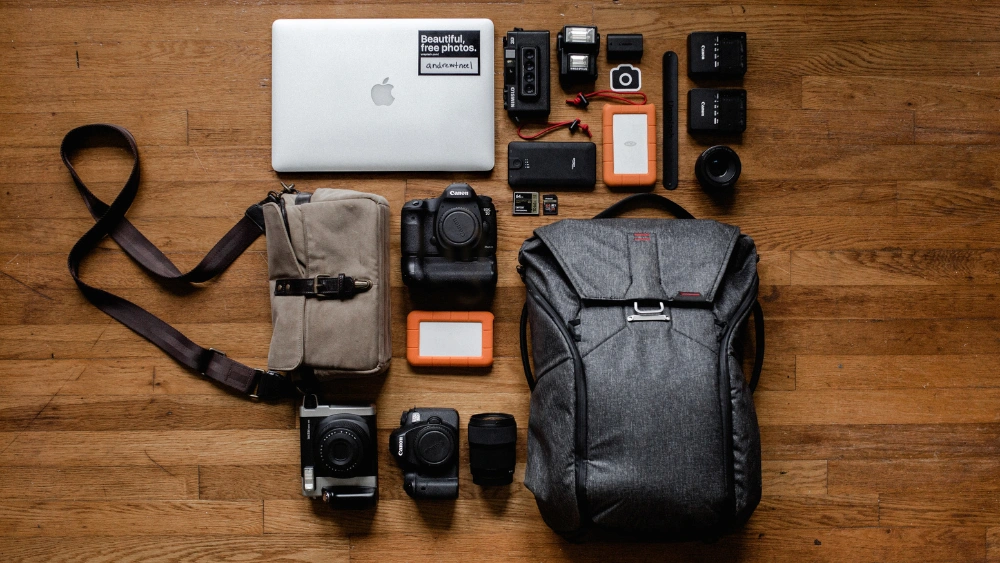
Are you tired of digging through your camera bag to find the right lens or missing important shots because your gear is all over the place? Setting up your camera bag the right way can save you time, protect your equipment, and make every photo adventure smoother.
In this guide, you’ll learn simple, practical steps to organize your gear so you’re always ready to capture the perfect moment. Keep reading, and discover how a well-packed camera bag can change the way you shoot forever.
Choosing The Right Camera Bag
Choosing the right camera bag can make a huge difference in how you carry and protect your gear. It’s not just about style; it’s about functionality, comfort, and durability. Your bag should match your shooting habits and the type of equipment you own.
Types Of Camera Bags
There are several types of camera bags, each designed for different needs. Sling bags offer quick access to your camera, making them ideal for street photographers. Backpacks provide more space and organization, perfect for carrying extra lenses and accessories on longer trips.
Messenger bags look stylish and can hold a moderate amount of gear, but might not distribute weight as evenly as backpacks. If you shoot in rugged conditions, consider a hard case for maximum protection. What kind of shooting do you do most often? Your answer will guide your choice.
Size And Capacity
Your camera bag needs to fit your gear comfortably without being bulky. Measure your camera body and lenses before buying a bag to ensure a snug fit. A bag that’s too small can damage your equipment, while a bag that’s too large will be heavy and cumbersome.
Think about the accessories you carry, like batteries, memory cards, or a tripod. Do you need extra compartments for personal items like a water bottle or a notebook? Prioritize bags with adjustable dividers to customize the space based on your current kit.
Material And Durability
The material of your camera bag affects its protection level and lifespan. Nylon and polyester are common for their water resistance and light weight. Leather bags look great but can be heavier and less weatherproof unless specially treated.
Check for reinforced stitching and quality zippers—these small details make a big difference over time. If you often shoot outdoors, a bag with a rain cover or waterproof lining might save you from costly gear damage. How tough do you need your bag to be?
Comfort And Portability
Comfort is key when carrying your camera for hours. Look for padded straps that reduce pressure on your shoulders and back. Adjustable straps help distribute weight evenly, preventing strain during long shoots.
Consider how you move around. Do you prefer quick access or hands-free carrying? Bags with multiple carrying options—like handles, shoulder straps, or waist belts—offer flexibility. Your comfort level can affect how often you bring your gear along, so make it a priority.
Essential Camera Gear To Include
Setting up a camera bag means packing only what you truly need. The right gear keeps your shoots smooth and your shots sharp. Focus on essentials that fit your style and shooting goals. A well-packed bag saves time and stress during any photo session.
Primary Camera Body
Your main camera is the heart of your gear. Choose a reliable model that suits your photography needs. Make sure it is clean and in good working order. Keep the body protected with a soft wrap or padded compartment.
Lenses Selection
Pick lenses that cover your shooting range. A versatile zoom lens works well for many scenes. Add a prime lens for sharper images and low light. Carry lens caps and a cloth to keep glass clean.
Memory Cards And Batteries
Extra memory cards avoid running out of space. Use cards with fast writing speeds for video and burst shots. Carry fully charged batteries and a charger. Store them in a safe, easy-to-reach spot.
Accessories And Tools
- Lens cleaning kit for clear images
- Camera strap for comfort and safety
- Small tripod or monopod for stability
- Remote shutter release for sharp photos
- Rain cover to protect from weather
- Notebook or app for shot planning
Organizing Your Camera Bag
Organize your camera bag by placing your camera and lenses in padded compartments. Keep small accessories like batteries and memory cards in separate pockets for easy access. Arrange items so you can quickly grab what you need during shoots.
Organizing your camera bag is crucial for efficient photography. A well-organized bag ensures you can access your gear quickly. It also protects your equipment from damage. With a structured setup, you can focus on capturing the perfect shot.Using Dividers And Inserts
Dividers create separate sections for your gear. They prevent items from bumping into each other. Inserts add padding, offering extra protection. Adjustable inserts fit various camera sizes. Choose dividers that suit your equipment layout.Protecting Fragile Equipment
Fragile items need special care. Use padded compartments for lenses and screens. Consider using lens caps and protective covers. Keep them in secure sections to avoid damage. Use dedicated slots for batteries and memory cards.Easy Access To Frequently Used Items
Place frequently used gear at the top. This saves time during shoots. Use outer pockets for small accessories. Quick access improves efficiency. Arrange gear logically for smooth transitions.Weight Distribution Tips
Distribute weight evenly to avoid strain. Heavy items should be centered. Balance weight between shoulders for comfort. Use a backpack-style bag for better support. Adjust straps for a snug fit. Proper distribution prevents fatigue.
Credit: www.youtube.com
Packing For Different Photography Styles
Packing your camera bag depends heavily on the type of photography you plan to do. Different styles require different gear and accessories to help you capture the best shots. Understanding what to prioritize can save you time and keep your bag organized and light.
Portrait Photography Setup
For portrait photography, your focus is on capturing people with clarity and flattering light. Pack a prime lens like a 50mm or 85mm for sharp portraits with beautiful background blur. Don’t forget a reflector or an external flash to control lighting and reduce harsh shadows.
Include extra batteries and memory cards since portrait sessions can last long and you don’t want to miss any moment. A small tripod can also be handy for stability during posed shots. Think about carrying lens cleaning wipes to keep your glass spotless during outdoor shoots.
Landscape Photography Essentials
Landscape photography demands wide-angle lenses to capture vast scenes and fine details. Bring a sturdy tripod to stabilize your camera for long exposures and sharp images. Filters like ND or polarizers help manage reflections and balance bright skies.
Extra batteries are crucial because cold weather can drain them quickly when shooting outdoors. Carry weather protection gear for your camera, especially if you shoot near water or in unpredictable conditions. Organize your bag so you can quickly access lenses and filters without fumbling.
Event Photography Kit
Events require a flexible setup that allows you to move fast and capture spontaneous moments. Pack a versatile zoom lens, such as a 24-70mm, to cover wide shots and close-ups without changing lenses often. Carry a reliable flash and diffuser to deal with varied lighting indoors or at night.
Have backup batteries and plenty of memory cards since events can be long and you can’t afford to run out of power or storage. Keep your camera straps comfortable because you’ll be carrying your gear for hours. Think about adding a small notebook or app to track shot lists or client requests during the event.
Travel Photography Preparation
Travel photography means you need a lightweight but adaptable setup. Choose compact lenses that cover multiple focal lengths, such as a 24-105mm zoom. Don’t forget a protective camera bag with easy access pockets for quick lens swaps and secure storage.
Pack a portable charger or power bank to keep your devices ready on the go. Always carry a microfiber cloth to clean your lens after dusty or humid adventures. Have you considered how much weight you can comfortably carry all day? Balancing gear and comfort is key to enjoying your travels and capturing stunning photos.
Maintaining And Cleaning Your Camera Bag
Your camera bag is more than just a carrier; it’s a safeguard for your gear. Keeping it clean and well-maintained ensures your equipment stays protected and ready for action. How often do you check your bag’s condition beyond just stuffing it with gear?
Regular Cleaning Tips
Dust and dirt can sneak into your camera bag unnoticed, especially after outdoor shoots. Use a soft brush or a handheld vacuum to remove debris from pockets and compartments regularly.
If your bag has removable inserts, take them out and wipe them down with a damp cloth. For stubborn stains, a mild soap solution works well, but avoid soaking the bag to prevent damage.
Don’t forget to clean zippers and fasteners with a dry toothbrush to keep them moving smoothly. Small efforts here prevent bigger problems later.
Storage Best Practices
Storing your camera bag correctly extends its life. Keep it in a cool, dry place away from direct sunlight to avoid material fading and weakening.
Stuff the bag with soft cloths or bubble wrap when not in use to maintain its shape. Avoid leaving your bag on the floor or in damp areas where mold can develop.
Consider using silica gel packets inside the bag to absorb moisture. Have you checked your storage spot for hidden humidity risks lately?
Handling Wear And Tear
Wear and tear is inevitable but manageable. Inspect your bag regularly for loose threads, fraying edges, or weak stitching.
Repair minor issues promptly—using a needle and thread or fabric glue can prevent small problems from becoming costly repairs. Replace broken buckles or straps to maintain security.
Think about how you carry your bag daily. Avoid overloading it beyond the recommended capacity to reduce stress on seams and handles.

Credit: www.reddit.com
Security And Safety Measures
Keeping your camera and accessories safe is a top priority when setting up your camera bag. Protecting your gear from damage and theft ensures it stays in good condition for every shoot. Security and safety measures help you enjoy peace of mind during travel and daily use.
Weatherproofing Your Gear
Camera equipment is sensitive to water, dust, and extreme temperatures. Use a weatherproof camera bag or add rain covers to shield your gear from rain and moisture. Store lenses and bodies in padded, sealed compartments to avoid dust and scratches. Silica gel packs inside the bag absorb excess moisture and reduce humidity damage.
Anti-theft Features
Choose bags with lockable zippers to deter pickpockets. Use cables or straps to attach your bag securely to a stationary object. Select bags with hidden pockets for valuables like memory cards and keys. Consider bags with RFID-blocking compartments to protect credit cards from electronic theft. Bright colors or flashy logos may attract unwanted attention; opt for neutral tones for better security.
Insurance And Backup Plans
Insurance protects your camera gear against loss, theft, or damage. Check policies that cover accidental damage and theft during travel. Keep receipts and serial numbers of your equipment for insurance claims. Always back up photos to cloud storage or external drives immediately after shoots. A solid backup plan prevents data loss even if your gear is stolen or damaged.

Credit: www.reddit.com
Frequently Asked Questions
What Essentials Should I Pack In A Camera Bag?
Always pack your camera body, lenses, extra batteries, memory cards, and a lens cleaning kit. Include a compact tripod and protective padding to prevent damage. Organizing these essentials ensures you’re ready for any photography situation.
How Do I Organize A Camera Bag Efficiently?
Use padded dividers to separate lenses and gear. Place heavier items at the bottom for balance. Keep small accessories in zippered pockets. Efficient organization protects equipment and speeds up access during shoots.
What Size Camera Bag Suits Different Photographers?
Choose a compact bag for casual shooters with minimal gear. Professional photographers benefit from larger bags with customizable compartments. Match the bag size to your camera gear and shooting style for convenience and protection.
How Can I Protect My Camera Equipment In A Bag?
Use padded compartments and dividers to cushion your gear. Avoid overpacking to reduce pressure on equipment. Consider weather-resistant bags to shield against moisture and dust. Proper protection extends your gear’s lifespan.
Conclusion
A good camera bag keeps your gear safe and ready to use. Choose compartments that fit your lenses and accessories well. Keep things organized for quick access during shoots. Remember to pack only what you need to stay light. Regularly check your bag and clean it to protect your gear.
A well-set camera bag makes photography easier and more fun. Take time to arrange it carefully. Your equipment deserves the best care and protection.