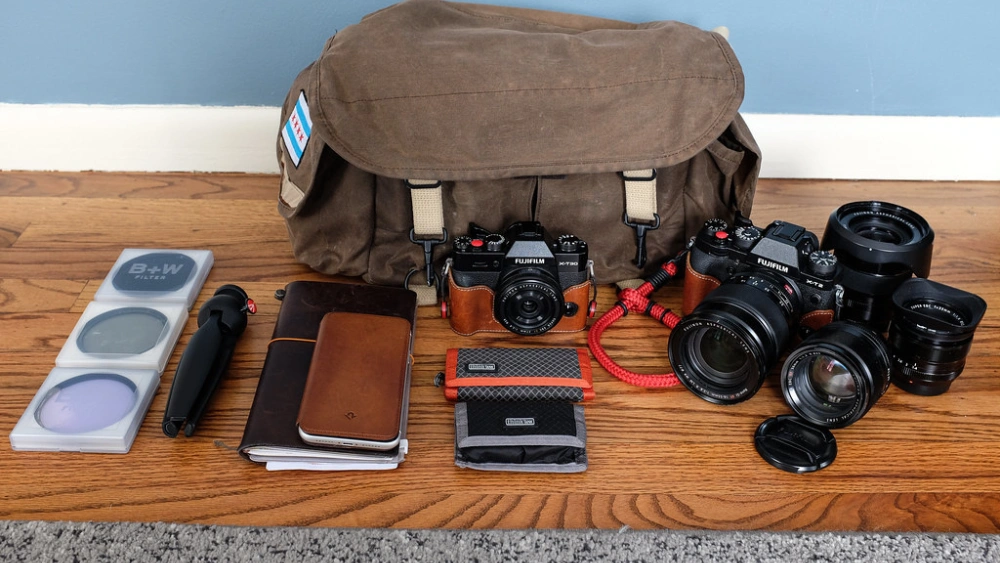
Are you wondering if you can put your camera in your checked bag when flying? You’re not alone.
Many travelers worry about the safety of their valuable gear during flights. Should you carry your camera with you or trust it in the hold? This question matters because one wrong move could mean damaged equipment or lost memories. Keep reading to find out the best way to protect your camera and avoid costly mistakes on your next trip.
Risks Of Packing Cameras In Checked Bags
Packing cameras in checked bags involves several risks. These dangers can affect both the camera’s safety and your peace of mind. Understanding these risks helps you decide the best way to carry your valuable gear.
Damage From Handling
Checked bags go through rough handling during loading and unloading. Heavy bags can fall or get stacked under others. Cameras are delicate and can break from sudden impacts. Shocks may harm lenses, sensors, or internal parts. Even a small jolt can cause long-term damage.
Theft Concerns
Checked luggage passes through many hands at airports. Thieves may target bags with expensive items. Cameras attract unwanted attention due to their high value. Locked bags offer some protection but are not foolproof. Storing cameras in checked bags increases theft risk significantly.
Exposure To Environmental Factors
Checked bags face varying temperatures and humidity. Extreme cold or heat can damage camera batteries and electronics. Moisture inside bags may cause lens fogging or corrosion. Pressure changes during flights can also affect camera parts. These environmental changes can reduce camera lifespan.
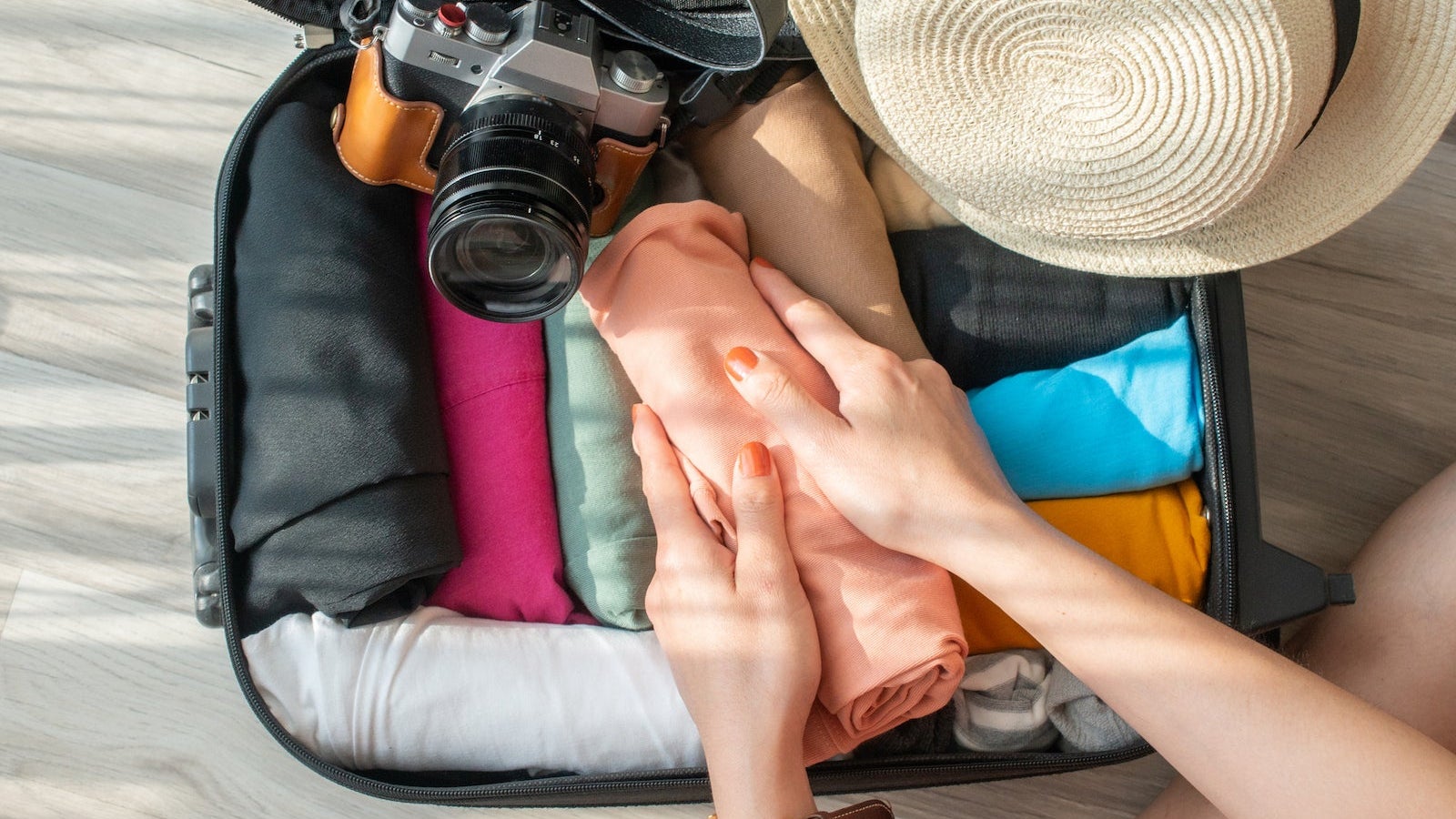
Credit: thepointsguy.com
Airline Policies On Electronics In Checked Luggage
Airline rules often advise against placing cameras in checked bags due to damage risks. Carrying cameras in carry-on luggage keeps them safe and accessible during travel. Some airlines may allow cameras in checked luggage but recommend using protective cases.
Airline Policies on Electronics in Checked Luggage Traveling with cameras requires understanding airline rules for checked luggage. Most airlines permit electronics in checked bags, but policies differ. Knowing these rules ensures safe and hassle-free travel.Security Regulations
Security checks are thorough at airports. Cameras in checked bags may face extra scrutiny. Some airlines require electronics to be switched off. This prevents accidental activation. Follow security guidelines to avoid delays.Weight And Size Restrictions
Airlines impose limits on checked luggage weight and size. Cameras and gear can be heavy. Check the airline’s baggage policy. Ensure your camera and equipment fit within these restrictions. Overweight bags may incur fees.Insurance Coverage
Checked luggage may be lost or damaged during transit. Consider insurance for expensive cameras. Most travel insurance covers electronics. Verify the coverage details for peace of mind. Protect your investment with the right insurance plan.Best Practices For Carrying Cameras
Carrying a camera while traveling needs care and attention. Cameras are delicate and costly. Protecting them ensures they work well throughout the trip. Following the right practices helps avoid damage or loss. Packing your camera smartly makes your journey smooth and worry-free.
Using Carry-on Bags
Carry-on bags keep your camera close and safe. Airports allow you to keep carry-ons with you. This lowers the risk of damage or theft. Choose a bag with padded compartments. It protects your camera from bumps and drops. Also, carrying your camera lets you access it easily.
Protective Cases And Padding
Use a sturdy, padded case for extra protection. Soft padding absorbs shocks and prevents scratches. Cases with dividers keep lenses and accessories separate. This stops them from knocking into each other. Waterproof cases guard against rain or spills. Always wrap your camera in a soft cloth for added safety.
Keeping Batteries Separate
Remove batteries before packing your camera. Store batteries in a separate, secure pouch. This prevents accidental power-on and overheating. Many airlines require batteries to be carried in the cabin. Label battery packs clearly to avoid confusion. Carry spare batteries carefully to keep them safe.

Credit: www.polaroid.com
Alternatives To Checked Bag Storage
Storing your camera safely during travel is crucial, especially if you want to avoid damage or theft. Checked bags pose risks like rough handling and lost luggage, so exploring alternatives can save your gear and your peace of mind. Here are some practical options to consider that keep your camera accessible and protected.
Camera Backpacks
Camera backpacks are designed with padded compartments to keep your gear secure and organized. They often feature customizable inserts, allowing you to fit cameras, lenses, and accessories snugly. Carrying your camera in a backpack also means quick access if you spot an unexpected photo opportunity.
Many travelers find that camera backpacks double as daypacks, reducing the number of bags they carry. Would you rather risk your camera in the hold or keep it close on your back? Choosing a backpack designed for photography gear simplifies this decision.
Personal Item Options
Your personal item allowance on flights can be a clever way to carry camera equipment without checking it. Smaller camera bags or padded cases often fit under the seat in front of you, keeping your gear within reach. This not only protects your equipment but also reduces anxiety about lost luggage.
Think about what you can fit in a tote or messenger bag that still offers protection. Have you checked the airline’s personal item size limits? Finding the right bag that complies with these rules can be a game changer for your travel experience.
Renting Equipment At Destination
If carrying your camera feels too risky or cumbersome, renting gear at your destination is a smart alternative. Many cities have rental shops offering high-quality cameras and lenses, letting you travel lighter. This option also allows you to try new equipment without the hassle of transporting it.
Consider whether you need every piece of gear you own or if renting can cover your essentials. Have you ever tried renting gear on a trip? It might surprise you how convenient and cost-effective it can be.
Preparing Cameras For Travel
Preparing your camera for travel is essential to keep it safe and ready for use. Proper preparation helps avoid damage and data loss during your trip. Taking a few simple steps ensures your camera performs well when you need it most.
Removing Memory Cards
Always remove memory cards before packing your camera. This prevents loss or damage to your photos. Keep cards in a small, secure case to protect them from dust and scratches. Label the case to find your cards easily.
Cleaning And Maintenance
Clean your camera body and lens carefully before travel. Use a soft cloth to remove dust and fingerprints. Avoid using harsh chemicals that can harm the camera. Check for any loose parts and tighten them gently. Proper cleaning helps prevent damage and keeps your camera working smoothly.
Checking Camera Settings
Review your camera settings before packing. Turn off any Wi-Fi or Bluetooth to save battery. Set the date and time correctly for accurate photo information. Adjust the battery level and charge your batteries fully. Proper settings ensure your camera is ready to capture moments without delay.
Insurance And Security Measures
Putting a camera in your checked bag raises important questions about insurance and security. You want to protect your valuable gear from loss, theft, or damage while traveling. Understanding your options can make a big difference in how you prepare and what you expect during your journey.
Travel Insurance For Electronics
Travel insurance can cover your camera and other electronics, but not all policies do. Look for plans that specifically include coverage for lost, stolen, or damaged electronics. Some insurance requires you to declare expensive items beforehand, so check the fine print.
Think about how much your camera is worth and the risks involved. Is it worth buying extra coverage? Sometimes, credit cards offer travel protection if you buy your ticket with them. Have you checked your existing policies before buying new insurance?
Tracking Devices
Adding a small tracking device to your camera bag is a smart move. These devices use GPS or Bluetooth to help you locate your luggage if it goes missing. They can give you peace of mind and a better chance of recovering your gear.
Choose a tracker with a reliable app and good battery life. Some travelers have found their lost bags within hours thanks to these devices. Could a simple gadget save you hours of stress and potential loss?
Reporting Lost Or Damaged Gear
If your camera is lost or damaged during your flight, report it immediately. Contact the airline’s baggage claim office and file a detailed report. Keep all your receipts and documents related to the camera and any repairs.
Act quickly to increase your chances of compensation. Airlines often have strict deadlines for claims. Have you prepared a checklist of what to do if your gear goes missing?

Credit: veronicahanson.medium.com
Frequently Asked Questions
Can I Put My Camera In Checked Luggage On Flights?
Yes, you can put a camera in checked luggage, but it is not recommended. Checked bags face rough handling, risking damage or theft. Carrying your camera in carry-on luggage is safer and protects it from potential harm during transit.
Are Cameras Allowed In Checked Baggage By Airlines?
Most airlines allow cameras in checked baggage, but rules vary. Check your airline’s policy before packing. Fragile items like cameras are better kept in carry-on for added security and safety during the flight.
What Risks Come With Placing Cameras In Checked Bags?
Placing cameras in checked bags risks damage from rough handling and theft. Temperature and pressure changes can also affect camera equipment. Carry-on luggage offers better protection and reduces the chance of loss or damage.
How Should I Pack A Camera If Placed In Checked Baggage?
If placing a camera in checked baggage, use a hard case with padding. Wrap the camera and lenses in soft cloths to absorb shocks. Ensure the bag is secure to minimize movement and potential damage during transit.
Conclusion
Carrying a camera in checked bags poses risks. Bags can be rough handled or lost. Cameras are delicate and can break easily. Keep your camera in carry-on luggage for safety. This protects your gear during travel. Always check airline rules before flying.
Pack your camera well to avoid damage. Better safe than sorry when traveling with cameras.