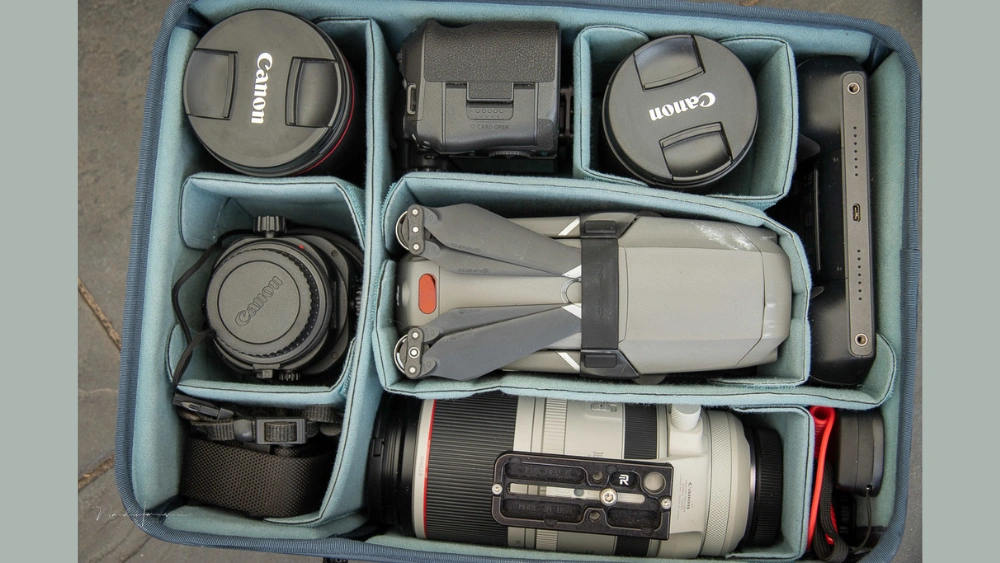
Is your camera bag a jumbled mess every time you reach for your gear? Imagine finding your lens or memory card instantly, without the usual frustration.
Organizing your camera bag doesn’t have to be a chore. In fact, with the right tips, you can create a system that saves you time and protects your valuable equipment. Ready to turn your chaotic bag into a neat, efficient setup?
Keep reading, and you’ll discover simple steps to make your camera bag work for you.

Credit: www.tamrac.com
Choose The Right Bag
Choosing the right camera bag is key to keeping your gear safe and organized. The right bag protects your equipment and makes carrying easier. It also helps you find what you need fast. Focus on the bag’s type, size, and comfort to make the best choice.
Types Of Camera Bags
Camera bags come in many styles. Each style suits different needs and shooting styles.
- Backpacks:Great for carrying lots of gear. Good for long trips or hiking.
- Messenger Bags:Easy to access and stylish. Good for city shooting or casual use.
- Shoulder Bags:Lightweight and simple. Best for quick outings with minimal gear.
- Hard Cases:Offer strong protection. Ideal for travel and harsh conditions.
Size And Capacity
Choose a bag size that fits your camera and lenses. Avoid bags that are too big or too small.
Think about extra space for accessories like batteries and memory cards. A well-sized bag keeps gear snug and safe.
Comfort And Durability
Look for padded straps and back panels. Comfort matters, especially for long carrying times.
Pick materials that resist water and wear. A durable bag lasts longer and protects your gear well.
Sort Your Gear
Sorting your camera gear helps keep your bag neat and easy to use. It saves time when you need to shoot quickly. Organize items by type and frequency of use. This way, you find what you need without digging through everything.
Essential Camera Equipment
Keep your main camera body in a padded compartment. Place your primary lens attached to the camera. Store your camera strap and lens caps nearby. These items you use most often and should be easy to reach.
Lenses And Accessories
Separate extra lenses in individual padded slots. Use lens pouches for added protection. Include lens cleaning cloths and air blowers in a small pocket. Keep filters and hoods with the related lenses. This prevents scratches and damage during transport.
Extra Batteries And Memory Cards
Store extra batteries in a cool, dry place inside the bag. Use battery cases to avoid short circuits. Keep memory cards in a labeled card holder. Organize cards by size or type for quick access. Always check battery charge and card space before packing.
Use Compartments Wisely
Compartments help keep gear separate and easy to find. Use them to store lenses, batteries, and memory cards safely. This stops items from moving around and getting damaged.
Organizing your camera bag efficiently enhances your photography experience. Using compartments wisely helps keep gear safe and accessible. This strategy minimizes the risk of damage and ensures you’re always ready for the perfect shot.Customizable Dividers
Customizable dividers let you arrange space based on your gear’s size. They provide flexibility, allowing you to adjust compartments as needed. This ensures your camera, lenses, and accessories fit snugly. Adjust dividers frequently to accommodate new equipment. Keeping items separated prevents scratches and bumps.Protective Padding
Protective padding is crucial for safeguarding your camera gear. It absorbs shock, reducing impact from accidental drops. Ensure padding is thick and covers all sides of your equipment. Padding should be soft yet firm to cushion delicate items. Well-padded compartments extend the life of your gear.Quick Access Pockets
Quick access pockets offer easy reach to essential items. Store memory cards, batteries, and cleaning cloths in these pockets. They save time when you need to grab accessories quickly. Ensure pockets are zippered or secured to prevent loss. Organize these pockets for speedy access during shoots.Optimize Packing Techniques
Optimizing how you pack your camera bag can transform your shooting experience. It’s about making every inch of space work while keeping your gear safe and accessible. Think of your bag as your mobile studio—organized packing lets you focus on creativity, not fumbling with equipment.
Layering Your Gear
Start by placing larger, less fragile items at the bottom of your bag. This creates a stable base and prevents delicate gear from getting squished. Use padded dividers to separate lenses, cameras, and accessories, so nothing rubs against each other.
Try packing items you use most often on top. That way, you don’t have to dig through your bag mid-shoot. Have you noticed how much easier your workflow becomes when your essentials are always within reach?
Securing Fragile Items
Fragile items need special attention. Wrap lenses and flashes in microfiber cloths or use padded pouches to add extra protection. Avoid placing heavy gear on top of these; instead, position them in snug compartments that limit movement.
If you have filters or memory cards, consider using small, dedicated cases to keep them safe and organized. These simple steps reduce the risk of damage and save you from costly replacements.
Balancing Weight
Distribute weight evenly to prevent strain on your shoulders and back. Place heavier items close to your back and center, while lighter gear can go toward the front or edges. This balance improves comfort during long shoots or hikes.
Think about how you carry your bag and adjust accordingly. Have you ever felt fatigued because your gear was unevenly packed? Balancing weight not only protects you but also your equipment, ensuring a smoother outing.
Add Personal Essentials
Adding personal essentials to your camera bag transforms it from just gear storage into a reliable companion for every shoot. These items keep you prepared, comfortable, and efficient, especially during long days on location. Think beyond lenses and batteries—what small items make your day easier?
Cleaning Kits
Dust and smudges can ruin a perfect shot. Keeping a cleaning kit in your bag ensures your lenses and sensors stay spotless. A basic kit should include a microfiber cloth, lens cleaning solution, a blower brush, and sensor cleaning swabs.
I once missed a stunning sunset because my lens was smudged. Since then, I never leave without my cleaning kit. Having it handy means you can quickly wipe away spots and keep your shots sharp.
Notebooks And Pens
Writing down settings, locations, or ideas can be a game-changer. A small notebook and a reliable pen help you track important details that you might forget later. It’s also useful for sketching shot compositions or jotting down client requests.
During a recent shoot, I noted the exact shutter speed and aperture that worked best under tricky lighting. That note saved me time in post-processing and helped recreate the perfect shot on the next day. What details do you often overlook that a notebook could help capture?
Snacks And Hydration
Photography sessions can stretch for hours, and energy dips will affect your focus and creativity. Pack small, non-messy snacks like nuts or granola bars, and always carry a water bottle. Staying hydrated and fueled keeps you alert and ready for any moment.
I learned this the hard way during a cold morning shoot. Without a snack, my energy dropped quickly, and I missed some key shots. A well-stocked bag with snacks and water keeps distractions away and your mind sharp.

Credit: www.amazon.com
Maintain And Update Bag Contents
Maintaining and updating the contents of your camera bag keeps your gear ready and safe. It helps avoid surprises during shoots. Regular checks ensure everything works properly and fits well. Adjustments prepare you for different shooting styles and environments.
Regular Cleaning
Remove all items from your bag. Use a soft cloth to wipe the inside and outside. Clean compartments and pockets with a small brush. Check for dirt, dust, or moisture. Let the bag air dry completely before refilling it.
Checking Gear Condition
Inspect each camera, lens, and accessory carefully. Look for scratches, dust, or damage. Test batteries and memory cards for proper function. Replace worn or broken items quickly. Keep backups of essential gear for emergencies.
Adjusting For Different Shoots
Change your bag’s contents based on the shoot type. Pack extra lenses for portrait or landscape sessions. Add filters or flashes for special lighting conditions. Remove unnecessary items to keep the bag light. Customize your bag to match your shooting needs.

Credit: www.tamrac.com
Frequently Asked Questions
How Do I Choose The Best Camera Bag Organizer?
Select a camera bag organizer that fits your gear size and type. Look for padded compartments and adjustable dividers. Prioritize lightweight, durable materials to protect your equipment. Ensure it has extra pockets for accessories and easy access to essentials.
What Are The Key Steps To Organize A Camera Bag?
Start by sorting your gear by size and use. Use padded dividers to separate lenses and cameras. Place frequently used items in accessible pockets. Keep cables and batteries in small compartments to avoid tangling. Regularly clean and rearrange for efficiency.
How Can I Protect My Camera Gear Inside The Bag?
Use padded inserts and cushioned dividers to prevent damage. Wrap fragile items in microfiber cloths for extra protection. Avoid overpacking to reduce pressure on equipment. Store batteries separately to prevent leaks. Keep the bag dry and clean to protect gear longevity.
What Accessories Should I Always Carry In A Camera Bag?
Include extra batteries, memory cards, lens cleaning kits, and a small tripod. Carry lens caps, filters, and a remote shutter release. Pack a microfiber cloth and a rain cover for your bag. These essentials ensure you are prepared for various shooting conditions.
Conclusion
Organizing your camera bag saves time and protects your gear. Keep items in separate compartments for easy access. Use small pouches to avoid clutter and damage. Regularly check and clean your bag to stay ready. A neat bag helps you focus on taking great photos.
Start organizing today and enjoy stress-free photography trips. Simple steps lead to big improvements in your photo work.