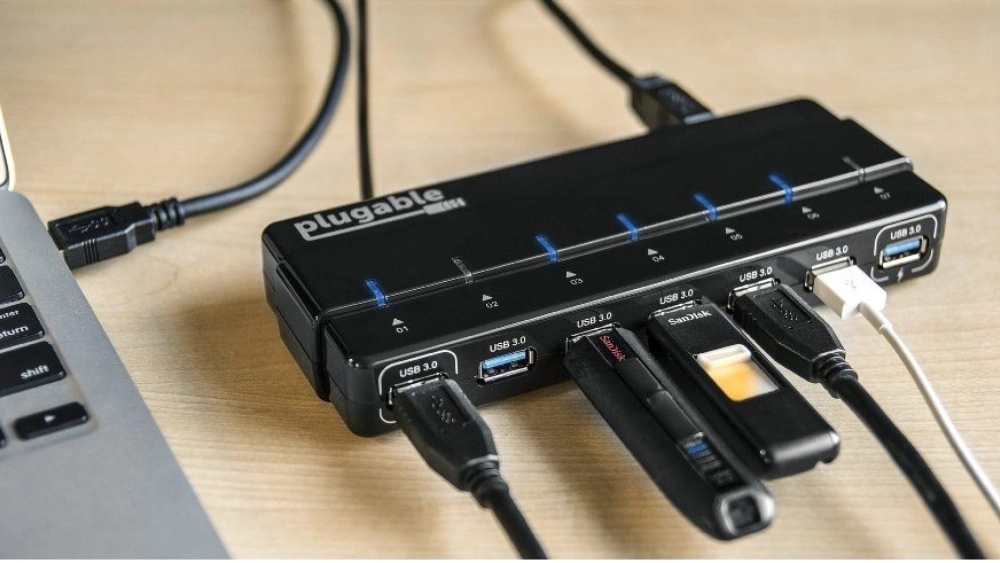
Are you struggling to connect your USB hub and make all your devices work seamlessly? You’re not alone.
Sometimes, setting up a USB hub can feel confusing, especially when you want to use multiple gadgets at once. But don’t worry—this guide will walk you through each step clearly and simply. By the end, you’ll know exactly how to connect your USB hub so everything runs smoothly.
Keep reading, and you’ll unlock the full potential of your devices in no time.
Choosing The Right Usb Hub
Choosing the right USB hub is important for a smooth connection experience. The right hub can save time and prevent device issues. Picking one depends on your needs and device types. Understanding different hubs helps you make a better choice.
Types Of Usb Hubs
USB hubs come in several types. The most common are powered and unpowered hubs. Powered hubs have their own power supply. They support devices needing more power. Unpowered hubs draw power from the computer. These work well for low-power devices.
Other types include USB 2.0, USB 3.0, and USB-C hubs. USB 3.0 hubs offer faster data transfer than 2.0. USB-C hubs fit newer devices with USB-C ports. Some hubs combine multiple port types for flexibility.
Key Features To Consider
- Number of Ports:Choose a hub with enough ports for your devices.
- Power Supply:Select powered hubs for high-power devices like external drives.
- Data Speed:USB 3.0 or higher supports faster data transfer.
- Port Types:Look for hubs with USB-A, USB-C, or other needed ports.
- Build Quality:A sturdy hub lasts longer and handles daily use well.
Compatibility With Devices
Check if the hub matches your device ports. Some devices use USB-C, others USB-A. The hub should support your device’s USB version. Older devices may not work well with newer hubs. Make sure the hub works with your operating system. Compatibility avoids connection problems and device errors.

Credit: www.youtube.com
Preparing For Setup
Preparing for setup is the first step to connect a USB hub successfully. This stage ensures a smooth and hassle-free installation. It involves checking your devices and making sure all necessary parts are ready. Proper preparation helps avoid connection problems and saves time.
Gathering Necessary Components
Start by collecting all parts needed for the USB hub setup. These include the USB hub itself, USB cables, and any devices you want to connect. Keep the user manual handy for quick reference. Having everything ready makes the setup faster and easier.
Checking Device Ports
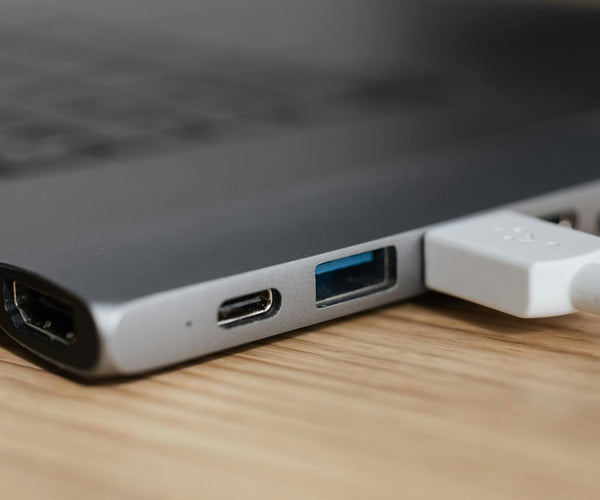
Look at the ports on your computer or laptop. Identify the type and number of USB ports available. Match these with the ports on your USB hub. Some hubs require USB-C, while others use USB-A. Knowing this helps you choose the right hub and cables.
Power Source Requirements
Determine if your USB hub needs an external power source. Some hubs draw power directly from the computer. Others require a power adapter to work efficiently. Check the hub’s specifications to avoid power issues. Using the correct power source keeps devices stable and working well.
Connecting The Usb Hub
Connect the USB hub to your computer’s USB port firmly. Wait for your device to recognize the hub before plugging in other devices. This helps ensure smooth data transfer and power supply.
Connecting the USB Hub can transform your workspace, allowing you to expand your computer’s connectivity and manage multiple devices effortlessly. Whether you’re juggling between printers, scanners, or external hard drives, a USB hub can help streamline your digital life. But how do you make the most of this handy tool? Let’s dive into the practical steps for setting up your USB hub efficiently.Plugging Into The Computer
To begin, identify an available USB port on your computer. It’s often located on the back or side of your desktop or laptop. Simply plug the USB hub into this port. You might notice a slight delay as your computer recognizes the new device. A personal tip: If you frequently use a specific port for other devices, try to avoid using it for your USB hub to prevent unnecessary plugging and unplugging. This can save you from future frustration.Attaching Peripheral Devices
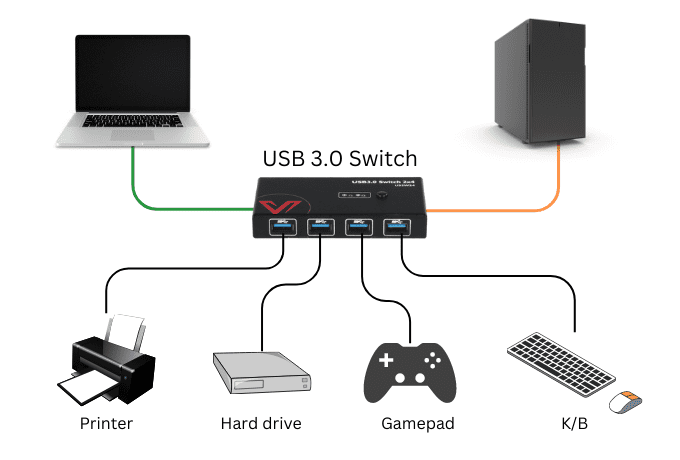
Once the hub is connected, it’s time to add your devices. Plug your peripheral devices into the hub’s available ports. These could be your mouse, keyboard, or even a USB-powered fan. Think about your setup: does it make sense to have your most-used devices closest to you for easy access? Arranging devices based on usage can enhance your workflow and create a more efficient environment.Using Powered Vs. Unpowered Hubs
Not all USB hubs are created equal. You have the option between powered and unpowered hubs. A powered hub requires an external power source, offering more stability and the ability to support multiple high-power devices simultaneously. On the other hand, an unpowered hub draws power directly from your computer, which might limit the number or type of devices you can connect. Consider your needs. If you frequently connect devices that require more power, like external hard drives, a powered hub might be your best bet. But if you’re using simple devices like a mouse or keyboard, an unpowered hub should suffice. Choosing the right hub can make a significant difference in your setup. What kind of devices do you usually connect, and how can a USB hub improve your workflow?Configuring The Hub
Configuring your USB hub is a key step to ensure all your devices work smoothly together. It’s not just about plugging it in; sometimes you need to take a few extra steps to make sure your computer fully recognizes and supports the hub. Let’s look at how to get your hub set up properly so you can avoid common headaches.
Installing Drivers If Needed
Some USB hubs work right away with your computer, but others require drivers to function correctly. Check the hub’s packaging or website to see if a driver download is necessary.
If your hub came with a CD or a download link, installing the driver can improve performance and unlock additional features. Don’t overlook this step—missing drivers often cause issues that seem like hardware problems.
Have you ever ignored a driver update and then wondered why your devices acted strange? It’s a simple fix that saves a lot of troubleshooting time.
Verifying Device Recognition
Once your hub is connected and drivers are installed, make sure your computer actually recognizes it. Open your device manager or system settings and look for your hub under the USB section.
If the hub appears, try plugging in a device like a mouse or USB drive to confirm it’s working. You should see the device pop up in the list or get a notification from your operating system.
Sometimes devices connect but don’t show up immediately. Waiting a few seconds or restarting your computer can help the system catch up.
Troubleshooting Connection Issues
If your hub or connected devices don’t show up or stop working, don’t panic. Start by unplugging the hub and plugging it into a different USB port on your computer.
Check the USB cable and hub for any visible damage. A faulty cable can cause intermittent connections that feel like a bigger problem.
Also, consider power requirements—some hubs need external power to support multiple devices. If yours has a power adapter, make sure it’s plugged in and working.
Have you tried updating your computer’s USB controller drivers? Sometimes the problem isn’t the hub but outdated system software.
Maintaining Optimal Performance
Maintaining your USB hub’s performance helps keep all devices running smoothly. Proper care avoids connection issues and slow data transfer. Small habits can extend the hub’s life and ensure steady power supply. Focus on managing port load, cleaning regularly, and updating firmware to maintain peak performance.
Avoiding Overloading Ports
Each USB hub has a power limit. Connecting too many devices can cause power drops. Avoid plugging in high-power devices all at once. Spread devices across multiple hubs or ports on your computer. Overloading ports can cause devices to disconnect or slow down.
Regular Cleaning Tips
Dust and dirt can block USB ports and reduce connection quality. Clean the hub’s ports gently with a soft brush or compressed air. Avoid using liquids or sharp objects to prevent damage. Regular cleaning helps maintain good contact between devices and ports.
Upgrading Firmware
Firmware updates fix bugs and improve hub performance. Check the manufacturer’s website for update files. Follow the instructions carefully to update your hub’s firmware. Keeping firmware current can improve device compatibility and speed.
Credit: intpw.com
Credit: medium.com
Frequently Asked Questions
What Is The Best Way To Connect A Usb Hub?
Connect the USB hub to your computer’s USB port firmly. Use a powered hub for multiple devices to ensure stable power supply.
Can I Connect Multiple Devices Using One Usb Hub?
Yes, a USB hub allows multiple devices to connect through one port. Ensure the hub supports enough power for all devices.
Do Usb Hubs Work With All Operating Systems?
Most USB hubs are compatible with Windows, macOS, and Linux. Check the product specifications for any OS restrictions before purchase.
How Do I Troubleshoot A Usb Hub Connection Issue?
Check all cables for secure connections. Try different USB ports and restart your computer. Update your USB drivers if problems persist.
Conclusion
Connecting a USB hub is simple and saves time. Just plug it into your computer’s USB port. Then, connect your devices to the hub’s ports. This helps you use many devices at once. Remember to check if your hub needs extra power.
A powered hub supports more devices without issues. Keep your cables organized to avoid confusion. Now, enjoy easier device management and better workspace. USB hubs make connecting multiple gadgets quick and easy. Try it out and see the difference yourself.