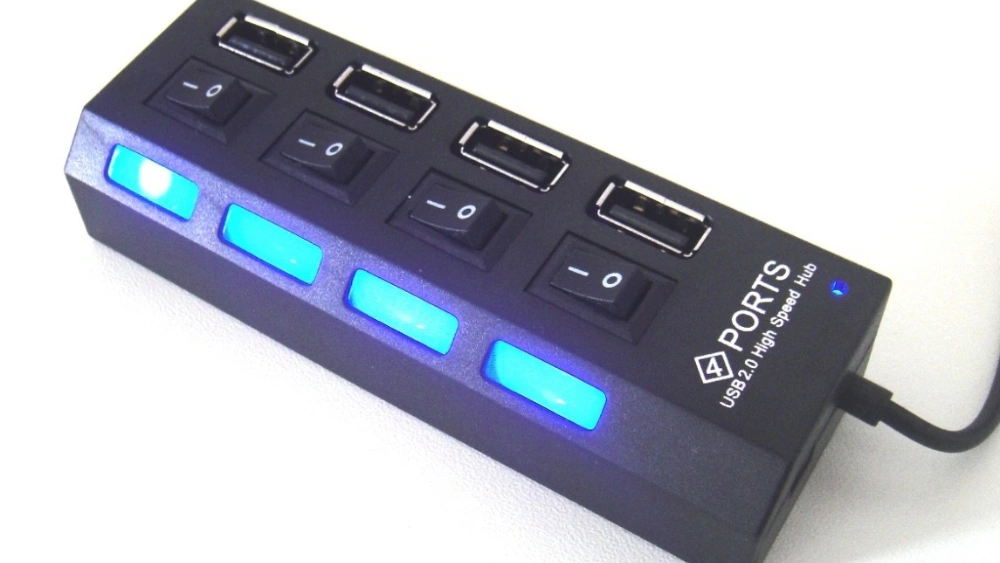
Are you tired of juggling multiple devices and struggling to find enough USB ports on your computer? A monitor USB hub could be the simple solution you’ve been looking for.
Imagine plugging in your keyboard, mouse, phone charger, and other gadgets directly into your monitor, freeing up your desk and making your workspace cleaner and more efficient. In this guide, you’ll discover exactly how to use a monitor USB hub to boost your productivity and simplify your setup.
Keep reading to unlock easy steps and tips that will change the way you work with your devices.
Credit: www.tiktok.com
Choosing The Right Monitor Usb Hub
Choosing the right monitor USB hub makes a big difference in your setup. It helps expand connectivity and keeps your workspace neat. Picking a hub that fits your needs ensures smooth device connections and better performance.
Types Of Usb Hubs
USB hubs come in different types. Some are powered, meaning they have their own power source. These hubs can support more devices without slowing down. Others are bus-powered, drawing power from the monitor or computer. These work well for fewer devices or low power needs.
There are also USB-C hubs designed for newer monitors. They offer faster data transfer and can charge devices. Understanding these types helps match a hub to your monitor and devices.
Compatibility With Monitors
Check if the USB hub works with your monitor’s ports. Most monitors have USB-A or USB-C ports. The hub must match these ports for easy connection. Some hubs also work with multiple monitor brands and models.
Look for hubs that support your monitor’s resolution and refresh rate. This ensures no signal loss or interference. Also, verify the hub’s operating system support for smooth use with your computer.
Port Selection And Speed
Choose a hub with enough ports for your devices. Common ports include USB 3.0 for fast data and USB 2.0 for slower devices. Some hubs include extra ports like HDMI or Ethernet for added use.
Speed matters for tasks like file transfer or streaming. USB 3.0 or higher offers faster speeds than USB 2.0. Match the hub speed with your devices for the best performance.
Credit: intpw.com
Setting Up Your Monitor Usb Hub
Setting up your monitor USB hub is a straightforward process that can greatly enhance your workspace efficiency. With the right approach, you’ll quickly add extra USB ports to your setup, making it easier to connect peripherals like keyboards, mice, and external drives. Let’s break down the essential steps to get your monitor USB hub up and running smoothly.
Connecting To Your Monitor
Start by locating the USB upstream port on your monitor. This port is usually labeled “USB-B” and looks different from the typical USB-A ports. Connect the USB hub cable from your monitor’s upstream port to your computer’s USB port to enable communication between the devices.
If your monitor lacks a USB upstream port, you’ll need to connect the hub directly to your computer instead. Double-check the hub’s compatibility with your monitor to avoid connectivity issues. Have you noticed some hubs come with additional video ports? These can simplify your setup even more.
Power Requirements
Some USB hubs draw power directly from your computer, while others require an external power source. If your hub supports multiple high-power devices, using a powered USB hub is essential to avoid performance drops.
Look for a hub with an AC adapter if you plan to connect devices like external hard drives or charging smartphones. Without sufficient power, connected devices may disconnect unexpectedly or perform poorly. Do you know how much power your devices need?
Cable Management Tips
Keeping your cables organized not only improves your workspace aesthetics but also prevents damage and connection issues. Use cable ties or Velcro straps to bundle excess cable length neatly behind your monitor.
Consider labeling your cables if you have multiple devices connected. This small step saves time during troubleshooting or when swapping devices. Have you tried routing cables through your desk’s built-in channels to keep them out of sight?
Maximizing Connectivity Options
Maximizing connectivity options is crucial in today’s digital world. A monitor USB hub provides the flexibility to connect multiple devices seamlessly. It enhances productivity by offering diverse connection points for various peripherals. Whether you’re working from home or in an office, a USB hub can simplify your setup.
Connecting Multiple Devices
Utilize the monitor USB hub to connect multiple devices simultaneously. Plug in keyboards, mice, and external drives without hassle. This feature reduces cable clutter and streamlines your workspace. It’s ideal for users who need quick access to multiple devices.
Using Usb-c And Usb-a Ports
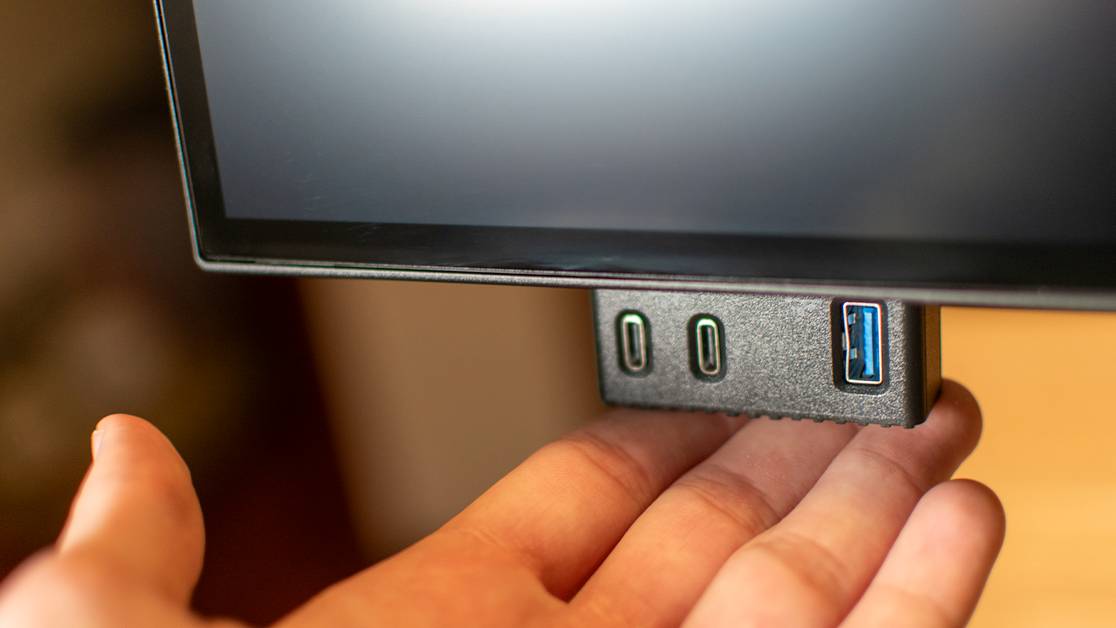
Most modern hubs offer USB-C and USB-A ports. USB-C ports are compact and support faster data transfer. USB-A ports are versatile and compatible with older devices. Choose the right port for your device to ensure optimal performance.
Expanding Beyond Basic Peripherals
Monitor USB hubs can connect more than basic peripherals. Link your smartphone, tablet, or even a printer. Some hubs support HDMI connections, allowing you to connect to external displays. This expands your workstation capabilities significantly.
Credit: www.howtogeek.com
Optimizing Performance
Optimizing the performance of your monitor USB hub can make a noticeable difference in how smoothly your devices work together. It’s not just about plugging everything in; understanding how to manage bandwidth, power, and software updates can prevent frustrating slowdowns and connectivity issues. Let’s dive into some practical ways to keep your hub running at its best.
Avoiding Bandwidth Bottlenecks
Your monitor USB hub shares a limited amount of data bandwidth among connected devices. Plugging in too many high-data-demand devices, like external hard drives or 4K webcams, can slow down all connections.
Try to balance your devices:
- Connect low-bandwidth devices, such as keyboards and mice, alongside high-bandwidth ones.
- Use separate hubs or direct connections for devices that constantly transfer large files.
- Disconnect devices you’re not actively using to free up bandwidth.
Have you noticed your file transfers slow down when multiple devices are connected? This simple adjustment could save you a lot of time.
Managing Power Delivery
Not all USB hubs supply power equally. Some devices need more power than your hub can provide, leading to unstable connections or devices not charging properly.
Check your hub’s power rating and:
- Use powered hubs with an external adapter for power-hungry devices.
- Prioritize connecting charging devices directly to your monitor or computer ports if possible.
- Be cautious about daisy-chaining multiple hubs, as this can reduce overall power availability.
I once struggled with a hub that couldn’t keep my phone charged while transferring data. Switching to a powered hub solved the problem instantly.
Firmware And Driver Updates
Firmware and driver updates can improve your hub’s compatibility and fix bugs that slow down performance or cause disconnections.
Make it a habit to:
- Visit the manufacturer’s website regularly for updates.
- Enable automatic updates if your system supports it.
- Restart your computer after installing updates to ensure changes take effect.
Ignoring updates might leave you stuck with slower speeds or missing out on new features. When was the last time you checked for updates on your hub?
Troubleshooting Common Issues
Encountering issues with your monitor USB hub can be frustrating, especially when you’re trying to stay productive. Understanding how to troubleshoot common problems quickly can save you time and prevent unnecessary stress. Let’s look at some practical ways to identify and resolve the most frequent issues.
Recognizing Connection Problems
One of the first signs of a connection problem is when your devices don’t show up on your computer or behave erratically. Check if the USB hub is firmly plugged into both the monitor and your computer. Loose or damaged cables often cause these issues.
Try connecting a different device to the hub to see if it’s recognized. This simple test helps you figure out whether the problem lies with the hub, the device, or the cable. Have you ever overlooked a loose connection and spent hours troubleshooting? It’s a common pitfall.
Fixing Power And Detection Errors
Power issues are common, especially if you connect multiple devices to the hub. If some devices aren’t detected or stop working, the hub might not be supplying enough power. Check if your hub requires an external power source and make sure it’s plugged in.
Restart your computer and unplug the hub for a few seconds before reconnecting it. This can reset the connection and help your system detect devices properly. Sometimes, updating your USB drivers or the monitor’s firmware can also resolve detection errors.
Dealing With Device Conflicts
Device conflicts happen when two or more devices connected through the hub try to use the same system resources. If you notice devices disconnecting unexpectedly or not working at all, this might be the issue. Open your device manager and look for warning signs like yellow exclamation marks.
Try unplugging devices one at a time to isolate the conflicting hardware. Rearranging the connected devices or using separate hubs can often solve conflicts. Have you checked whether your hub supports all your devices simultaneously? Not all USB hubs handle heavy multitasking well.
Enhancing Workflow With Usb Hubs
Using a monitor USB hub can significantly improve how you work by making your setup cleaner and your devices easier to manage. It helps reduce clutter and keeps everything within reach, so you spend less time hunting for cables or switching ports. Have you ever lost track of which USB port is for your keyboard or phone charger? A USB hub solves that problem efficiently.
Streamlining Workspace Setup
A monitor USB hub lets you connect multiple devices directly through your monitor, cutting down on the number of cables running across your desk. This setup minimizes clutter and creates a more organized workspace, which can boost your focus and comfort.
Think about how much easier it is to plug in a flash drive or headset when the ports are right in front of you. It also means fewer trips behind your PC to plug or unplug devices, saving you valuable time.
Improving Device Accessibility
With a USB hub on your monitor, you can quickly access your most-used gadgets without stretching or moving around. This is especially helpful if you have a standing desk or a dual-monitor setup where the PC tower is tucked away.
You’ll find it easier to swap devices like external hard drives, smartphones, or webcams during calls or work sessions. This convenience can reduce interruptions and keep your workflow smooth.
Leveraging Hub Features For Productivity
Many monitor USB hubs come with extra features like fast charging, data transfer speed boosts, or even SD card readers. Using these features can speed up tasks, such as transferring large files or charging your devices quickly during work hours.
Try assigning specific ports for certain devices; for example, one for your keyboard, one for your mouse, and another for charging your phone. This simple habit can help you stay organized and prevent accidental unplugging during important tasks.
Frequently Asked Questions
What Is A Monitor Usb Hub And Why Use It?
A monitor USB hub is built into some monitors to extend USB ports. It connects peripherals like keyboards, mice, and drives directly through the monitor. This reduces cable clutter and enhances workspace efficiency by centralizing device connections.
How To Connect Devices To A Monitor Usb Hub?
Connect the monitor to your computer using a USB upstream cable. Then, plug your USB devices into the hub ports on the monitor. Your computer will recognize these devices as if directly connected to it.
Can A Monitor Usb Hub Support Charging Devices?
Yes, many monitor USB hubs support charging for smartphones and tablets. However, charging speed depends on the hub’s power output and port type. Always check your monitor’s specifications for charging capabilities.
Does Using A Monitor Usb Hub Affect Data Transfer Speed?
Data transfer speed depends on the USB standard (2. 0, 3. 0, or higher). Using a monitor USB hub usually offers similar speeds to direct computer connections. Ensure your cables and ports support the desired transfer rate.
Conclusion
Using a monitor USB hub makes connecting devices simple and fast. It saves desk space and reduces cable clutter. Just plug your gadgets into the hub, and they work through the monitor. This setup keeps your workspace neat and organized.
Try different devices to see which work best for you. A monitor USB hub fits well in homes and offices alike. Enjoy easier access to your USB ports every day.