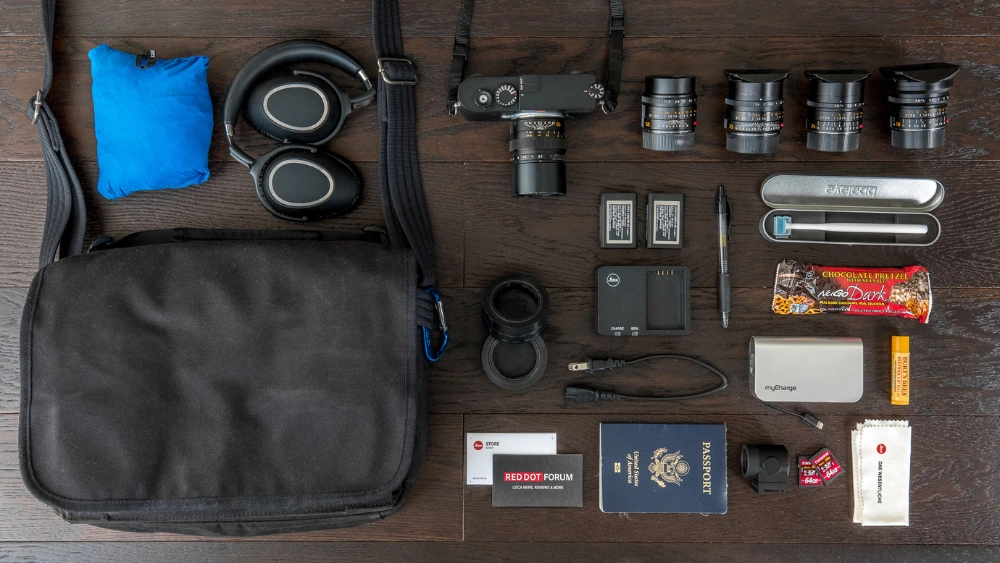
You’ve invested in your camera, and you want to keep it safe and ready for your next shot. But do you know the best way to store your camera in a bag?
Stashing it carelessly can lead to scratches, dust, or even damage that ruins your gear. Imagine reaching for your camera only to find it not working because of poor storage. In this guide, you’ll discover simple, practical steps to protect your camera every time you pack it away.
Keep reading to ensure your camera stays safe, secure, and ready to capture every moment perfectly.
Choose The Right Camera Bag
Choosing the right camera bag is essential to keep your gear safe and ready for action. It’s not just about style; the bag you pick affects how easy it is to carry and access your camera. Think about what you need most—protection, convenience, or extra space—and select a bag that fits those needs perfectly.
Types Of Camera Bags
There are several types of camera bags, each designed for different needs and shooting styles. Sling bags let you swing the bag around quickly to grab your camera. Backpacks offer more space and better weight distribution, great for longer trips.
Messenger bags provide easy access and a stylish look but may not carry as much gear. Hard cases offer the best protection but are bulky. Which type suits your shooting style and daily routine?
Features To Look For
Look for padded compartments to protect your camera and lenses from bumps. Adjustable dividers help organize your gear and prevent items from moving around. Weather resistance is a must if you shoot outdoors often—waterproof zippers or rain covers can save your equipment.
Other features like quick-access pockets, tripod holders, and comfortable straps make a big difference in usability. Think about what features will make your shooting easier and more comfortable.
Size And Fit
Your camera bag should fit your gear snugly without being too tight. A bag too small will force you to squeeze your equipment, risking damage. Too big, and your gear might shift and get scratched inside.
Try packing your camera, lenses, and accessories before buying to see how well they fit. Also, consider how much extra space you want for future gear or personal items. Would you prefer a compact bag for quick shoots or a larger one for full-day adventures?
Prepare The Camera For Storage
Preparing your camera for storage protects it from damage and keeps it ready for use. Proper preparation prevents dust, moisture, and battery leaks from harming your gear. Taking a few simple steps extends your camera’s life and maintains its performance.
Clean The Camera And Lens
Start by wiping the camera body with a soft, dry cloth. Remove dust from the lens with a blower or lens brush. Use a microfiber cloth to gently clean the lens glass. Avoid harsh chemicals that can damage coatings.
Remove Batteries And Memory Cards
Take out the batteries to prevent leaks and corrosion. Store batteries separately in a cool, dry place. Remove memory cards to avoid data loss and damage. Keep cards in protective cases to stay safe.
Use Lens Caps And Body Caps
Always cover the lens with its front and rear caps to block dust. Attach the body cap to the camera to protect the sensor. Caps keep internal parts clean and prevent scratches during storage.
Organize Accessories Properly
Keep camera accessories like lenses, batteries, and cables in separate compartments or small pouches. This prevents scratches and makes items easy to find quickly. Proper organization saves time and protects your gear.
Organizing your camera accessories properly can transform your photography experience. Keeping everything in its designated spot not only protects your gear but also saves time. Imagine reaching for your lens cap and finding it instantly—how much smoother would your shoot be? This section will guide you on arranging your accessories in a way that maximizes both protection and efficiency.Separate Compartments
When you store your accessories, it’s crucial to have separate compartments for each item. This prevents scratching and ensures quick access. Many camera bags come with customizable sections. You can adjust them to fit lenses, batteries, and memory cards. By keeping each item in its own space, you minimize the risk of damage.Protect Fragile Items
Your camera gear is delicate, especially fragile items like lenses and screens. Ensuring they’re protected within your bag is essential. Use padded compartments for these items. This added layer of cushioning guards against accidental impacts. Have you ever dropped your bag, only to find your lens perfectly intact? That’s the power of proper protection.Use Pouches And Dividers
Pouches and dividers are your best friends for organizing camera accessories. They help in categorizing items and preventing them from moving around. Use small pouches for batteries and memory cards. Dividers can separate larger items like lenses and chargers. This arrangement makes your gear easily accessible and prevents unnecessary fumbling. How do you currently store your camera accessories? Could a small change improve your organization and efficiency?
Credit: www.instagram.com
Use Protective Padding
Protective padding is essential for storing a camera safely in a bag. It cushions the camera from bumps and drops. Padding also prevents scratches and dust from reaching the camera body and lens. Using the right padding helps keep your gear secure and ready to use.
Types Of Padding Materials
Several padding materials suit camera bags. Foam is soft and absorbs shocks well. Neoprene offers good protection and water resistance. Felt is gentle and prevents scratches but offers less shock absorption. Some bags use padded inserts with a mix of these materials for better security.
Customizing The Interior
Custom padding fits your camera shape perfectly. Many bags have removable dividers you can arrange to hold your gear snugly. You can also add extra foam pieces to fill empty spaces. This stops your camera from moving inside the bag during travel.
Avoiding Pressure Points
Pressure points can damage your camera over time. Avoid placing heavy items directly on your camera. Use padding that spreads the weight evenly. Check your bag for tight spots or sharp edges that may press on the camera. Smooth, thick padding reduces stress on delicate parts.
Control Moisture And Temperature
Controlling moisture and temperature inside your camera bag is essential to keep your gear safe and functioning well. Moisture can cause mold and damage electronic parts, while extreme temperatures may affect battery life and lens coatings. Taking simple steps to manage these factors can extend the life of your camera and lenses.
Include Silica Gel Packs
Silica gel packs are small but powerful moisture absorbers. Placing a few packs inside your camera bag helps soak up humidity and prevents condensation on your gear.
Make sure to replace or recharge the silica gel packs regularly. Have you ever opened your bag to find foggy lenses? Silica gel can stop that from happening.
Avoid Extreme Temperatures
Do not leave your camera bag in hot cars or freezing places. High heat can warp plastic parts, while cold can cause battery drain and slow lens movements.
Try to keep your gear in a stable environment. If you travel, allow your camera to adjust slowly to temperature changes before use.
Store In A Dry Place
Choose a storage spot that stays dry and well-ventilated. Avoid basements or areas prone to dampness, as they encourage mold growth.
If your home is humid, consider using a dehumidifier or a dedicated dry cabinet for your camera equipment. How dry is the space where you keep your gear?

Credit: www.instagram.com
Secure The Bag For Transport
Securing your camera bag properly before transport is crucial to protect your equipment from damage and loss. A well-secured bag keeps your camera stable and safe, even during bumpy rides or crowded commutes. How confident are you that your camera gear is fully protected every time you head out?
Use Straps And Clips
Straps and clips add an extra layer of security to your camera bag. Make sure all adjustable straps are tightened to prevent the bag from shifting or swinging around. Clips should be fastened firmly so the bag stays closed during movement.
Personally, I once underestimated the power of a loose strap and ended up with a scratched lens. Now, I always double-check every clip and strap before leaving. It’s a simple step that can save you from costly repairs.
Avoid Overpacking
Overpacking your camera bag increases pressure on zippers and seams, making it prone to damage. Only pack essentials to maintain a manageable weight and preserve the bag’s shape. This also helps in quickly accessing your gear without fumbling.
Ask yourself: are you carrying items that you rarely use? Removing unnecessary gear can reduce stress on your bag and keep your camera safe inside.
Check Bag Zippers And Closures
Before transporting, inspect all zippers and closures carefully. Look for signs of wear or damage that could cause the bag to open unexpectedly. A small snag or broken zipper can lead to dropped gear or lost accessories.
Make it a habit to run your fingers along the zipper path and test the closure’s strength. If a zipper feels stuck or loose, address the issue right away to avoid surprises on the go.
Regular Maintenance And Checks
Regular maintenance and checks keep your camera and bag in top shape. This practice helps prevent damage and extends the life of your gear. Simple, regular inspections catch issues early. Cleanliness inside the bag protects your camera from dust and dirt. Replacing worn parts keeps everything secure and functional.
Inspect The Camera And Bag
Look over your camera carefully each time you pack it. Check for scratches, cracks, or loose parts. Examine the bag for tears, broken zippers, or damaged padding. Notice any moisture or mold inside the bag. Identifying problems early avoids bigger repairs later.
Clean The Bag Interior
Remove all items before cleaning the bag’s inside. Use a soft brush or cloth to clear out dust and debris. Wipe down the lining with a damp cloth if needed. Let the bag dry completely before putting your camera back. Clean interiors reduce the risk of scratches and moisture damage.
Replace Worn Accessories
Check all accessories like straps, padding, and dividers. Replace any parts that look weak, torn, or misshaped. Using fresh accessories ensures your camera stays snug and safe. Strong, intact gear prevents accidental drops and bumps.
Credit: hillsidewealth.ca
Frequently Asked Questions
How Do I Protect My Camera Inside A Bag?
Use padded compartments to cushion your camera. Place it away from heavy items to avoid damage. Wrap the camera with a soft cloth if extra protection is needed. Keep the lens cap on to protect the lens from scratches.
What’s The Best Bag Type For Camera Storage?
Choose a bag with customizable, padded dividers. It should be water-resistant and sturdy. Look for bags with secure closures to prevent dust and moisture. Comfort and easy access are also important features.
How Should I Store Camera Batteries In The Bag?
Store batteries separately in a small, padded compartment. Avoid placing batteries near metal objects to prevent short circuits. Remove batteries if the camera won’t be used for a long time to avoid leakage.
Can I Store Camera Accessories With The Camera?
Yes, but keep accessories in separate compartments. Use small pouches for cables, memory cards, and lenses. This prevents scratches and keeps everything organized. Avoid placing heavy accessories directly on the camera.
Conclusion
Storing your camera properly keeps it safe and ready to use. Use a padded bag to protect it from bumps. Keep lenses clean and dry to avoid damage. Place accessories neatly to prevent scratches and loss. Check your bag often for dust or moisture.
Taking these simple steps saves you time and worry. Your camera will last longer and work better. Stay careful, and enjoy capturing great moments with ease.