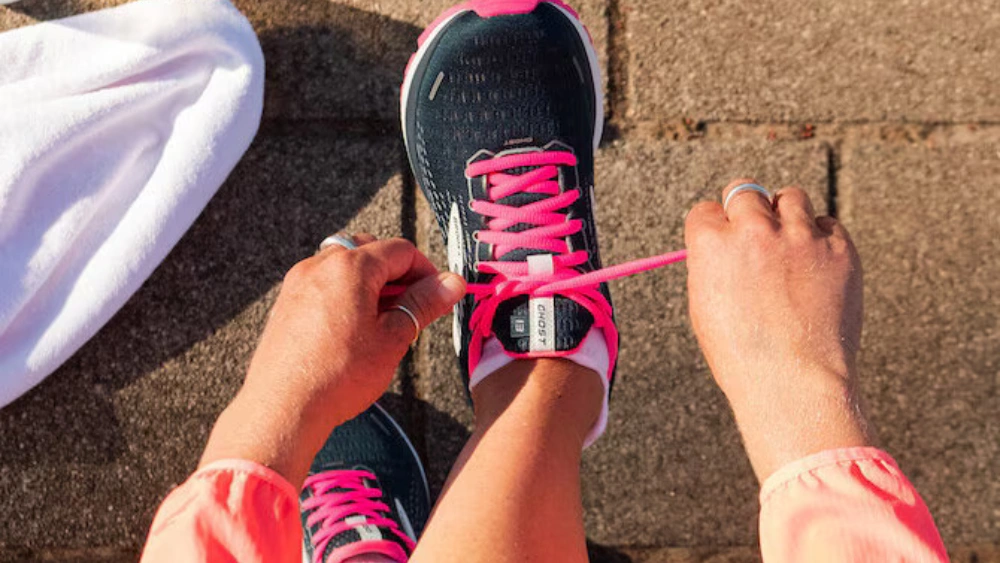
Choosing the right track shoes can make a huge difference in your performance and comfort. But how should track shoes fit to give you the best support without causing pain?
If your shoes are too tight, they can hurt your feet and slow you down. Too loose, and you risk slipping or blisters. You need a fit that feels just right—secure, comfortable, and ready to help you run your best.
Keep reading to discover exactly how your track shoes should fit, so you can stay fast, safe, and comfortable every time you hit the track.
Choosing The Right Size
Choosing the right size for your track shoes is crucial for both comfort and performance. Ill-fitting shoes can cause blisters, discomfort, and even affect your running technique. Taking the time to find the perfect fit ensures you stay focused on your race or training without distractions.
Measuring Your Foot Accurately
Start by measuring your foot length at the end of the day when your feet are naturally swollen. Use a ruler or a measuring tape to measure from the heel to the tip of your longest toe. Remember, your two feet might be slightly different sizes—always choose the size that fits the larger foot.
Considering Width Options
Track shoes come in various widths, but many brands focus mostly on standard widths. If you have narrow or wide feet, look for brands or models that offer width-specific options. Trying different widths can make a huge difference; a shoe that’s too narrow may pinch, while one too wide can cause your foot to slide inside.
Allowing For Socks And Swelling
Think about the type of socks you’ll wear during races or training—some are thicker than others and add extra space requirements. Also, your feet tend to swell during intense activity, so your shoes need a little extra room to accommodate this. Aim for about a thumb’s width of space between your longest toe and the shoe’s end to prevent discomfort.

Credit: www.latimes.com
Key Fit Features
Getting the right fit for your track shoes is crucial for performance and comfort. Focus on key features that affect how the shoes interact with your feet during high-intensity movements. Paying attention to these details can prevent injuries and improve your speed on the track.
Heel Lock And Stability
A secure heel lock keeps your foot in place during sprints and sharp turns. If your heel slips inside the shoe, you risk blisters and loss of control. Make sure the back of the shoe hugs your heel snugly without causing pressure points.
Try tightening the laces just enough to prevent heel movement but not so tight that it cuts off circulation. Stability here helps you push off the ground efficiently, which can shave precious milliseconds off your time.
Toe Box Space
Your toes need room to wiggle naturally. A cramped toe box will make your feet feel cramped and can cause discomfort or even bruising during longer sessions. Yet, too much space can lead to instability and reduce your control.
Look for shoes with a slightly wider toe box that matches your foot shape. This balance allows your toes to spread out during the push phase without sliding forward inside the shoe.
Arch Support And Cushioning
Arch support is vital for absorbing impact and maintaining proper foot alignment. If you have high arches or flat feet, make sure the shoe’s arch support fits your foot type to avoid pain and fatigue.
Cushioning in track shoes should be enough to protect your feet but minimal enough to maintain ground feel and responsiveness. Think about the type of track events you do; sprinters often prefer less cushioning for faster ground contact.
Trying On Track Shoes
Trying on track shoes is more than slipping them on and checking the size label. Your feet move dynamically, especially during running, so the fit must accommodate motion without causing discomfort. Paying close attention during the fitting process ensures your shoes support your performance rather than hinder it.
Testing Fit With Running Movements
Put the shoes on and mimic your running style—take a few sprints, jogs, and quick starts inside the store or at home.
Notice how your feet feel as you push off and land. Do the shoes stay securely on your feet without sliding or pinching? If you feel any slipping or excessive tightness, the fit isn’t right.
Try short bursts of speed to simulate real conditions. Your track shoes should feel snug but not restrictive during these movements.
Checking For Pressure Points
Pressure points can cause blisters and pain that ruin your run. Press your fingers along different parts of the shoe while wearing them to spot any tight spots.
Areas around the toes, instep, and heel are common culprits. If you notice redness or discomfort, that’s a clear sign the shoe may be too narrow or shaped poorly for your foot.
Don’t ignore even slight discomfort; it usually gets worse with distance and intensity.
Evaluating Comfort Over Time
Wear the shoes for at least 15 to 20 minutes before deciding. Comfort can change as your feet swell slightly during activity.
Walk, jump, and move around in them to see how they feel after some use. Track shoes that feel great initially but pinch or rub after a short time may cause problems during a race.
Think about your past experiences—have shoes that felt fine at first caused issues later? Your long-term comfort is crucial for peak performance.
Credit: www.brooksrunning.com
Common Fit Issues
Getting the fit right for your track shoes can be tricky. Many runners face similar problems that affect both comfort and performance. Understanding common fit issues can help you spot problems early and make better choices when buying or adjusting your shoes.
Blisters And Hot Spots
Blisters and hot spots often show up when shoes are too tight or rub in the wrong places. Even a small area of friction can cause painful blisters during a race or training. You might think padding will fix it, but sometimes the shoe shape simply doesn’t match your foot’s contours.
Have you ever felt a small burn on your foot after a run? That’s a hot spot warning you need to adjust your fit or try different lacing techniques. Paying attention to these signals early can save you from bigger injuries.
Slipping And Heel Lift
Shoes that slip or cause your heel to lift waste energy and hurt your stride. This usually happens if the shoe is too big or if the heel cup doesn’t hold your foot firmly. If you notice extra movement inside your shoe, it’s a sign the fit isn’t secure enough.
Try tightening the laces around the midfoot or experiment with heel locks to reduce slipping. You want your foot to feel locked in without being squeezed. Have you checked your shoe’s heel stability after a tough workout?
Numbness And Tightness
Numbness or tightness in your feet can mean your track shoes are too narrow or laced too tightly. This cuts off circulation and causes discomfort that worsens with every step. Don’t ignore this — numbness can lead to longer-term nerve problems if left untreated.
Make sure your toes have room to wiggle and your laces aren’t choking your midfoot. Sometimes, simply loosening the laces or choosing a wider shoe model can make a big difference. How often do you check if your shoes are causing these issues during your runs?
Adjusting Fit For Performance
Adjusting the fit of your track shoes can significantly enhance your performance on the field. A well-fitted shoe not only provides comfort but also optimizes your speed and agility. As you strive to achieve your personal best, fine-tuning the fit of your track shoes can be a game-changer. Let’s delve into some practical ways to ensure your shoes are your perfect match.
Using Insoles And Inserts
Sometimes, the standard insole in your shoe doesn’t provide the support you need. Custom insoles or inserts can add that extra cushioning or arch support. Think of them as a secret weapon in your performance arsenal.
- Consider using gel insoles for enhanced shock absorption during sprints.
- Arch inserts can provide better alignment for those with flat feet.
- Experiment with different thicknesses to find your ideal comfort level.
Have you ever tried running with an insole that felt just right? That perfect fit can make you feel unstoppable.
Lacing Techniques For Custom Fit
Believe it or not, the way you lace your shoes can make a big difference. Instead of sticking to the usual criss-cross pattern, try adjusting your lacing technique to suit your foot shape.
- If you have a high arch, skip a few eyelets to relieve pressure.
- For a snug fit, use the ‘lock lace’ method to prevent heel slip.
- Wide feet? Loosen up the midsection for added comfort.
Imagine your shoes fitting like a glove, all because you mastered a simple lacing technique.
Breaking In Your Shoes
New track shoes can be stiff, but breaking them in is essential for peak performance. Start by wearing them around the house to get used to the fit and feel.
- Wear them during short runs to gradually mold them to your feet.
- Use a shoe stretcher for faster results if they feel too tight.
- Flex the shoe manually to soften rigid areas.
Remember that feeling when your shoes finally felt like an extension of your body? That’s the kind of comfort you’re aiming for.
How do your track shoes fit? Could they be the key to unlocking your next personal record?
When To Replace Track Shoes
Knowing when to replace your track shoes can make a big difference in your performance and safety on the track. Shoes that are past their prime can affect how well you run and increase your risk of injury. It’s not always obvious when your shoes need to be swapped out, so let’s look at some clear signs to watch for and what happens if you keep using worn shoes.
Signs Of Wear Affecting Fit
Track shoes often lose their snug fit as they wear out. You might notice your heel slipping or the shoe feeling looser than before. The cushioning inside can compress and flatten, changing how the shoe hugs your foot.
Check the outsole and spikes for wear. If the spikes are worn down or missing, your grip will suffer. Also, look for cracks in the sole or tears in the upper material. These issues change how the shoe fits and performs.
Have you ever noticed blisters forming in new spots or discomfort where there wasn’t any before? This could mean your shoes no longer fit properly. Paying attention to these changes helps you decide when it’s time to get a new pair.
Impact On Comfort And Injury Risk
Worn track shoes can lead to discomfort that goes beyond just a bad run. When cushioning and support fade, your feet absorb more shock. This extra stress can cause pain in your feet, knees, or hips.
Using shoes past their lifespan can increase your chances of injuries like shin splints or plantar fasciitis. These injuries often start with subtle discomfort but can sideline you for weeks. Don’t ignore persistent aches—your shoes might be the cause.
Think about how your performance feels during a race or practice. Are you slower or less stable? A worn pair of shoes could be holding you back. Investing in new track shoes when needed helps you stay comfortable and reduce injury risk while improving your speed.
Credit: www.nbcnews.com
Frequently Asked Questions
How Tight Should Track Shoes Fit?
Track shoes should fit snugly but not painfully tight. They must hold your foot firmly to prevent slipping while allowing slight toe wiggle for comfort and circulation during races.
Can Track Shoes Be Too Loose?
Yes, loose track shoes can cause blisters and instability. A proper fit ensures your foot doesn’t slide inside, improving performance and reducing injury risk.
Should Track Shoes Fit Differently Than Regular Running Shoes?
Yes, track shoes fit more snugly than regular running shoes. They prioritize a secure fit for speed and control, often with less cushioning and a tighter toe box.
How To Check If Track Shoes Fit Correctly?
Check for snugness around the midfoot and heel. Your toes should have minimal space to move but not feel cramped or uncomfortable.
Conclusion
Choosing the right fit for track shoes matters a lot. Shoes should feel snug but not tight. Your toes need enough space to move freely. A proper fit helps prevent blisters and injuries. Try shoes on with the socks you will wear.
Walk and run a little before deciding. Remember, comfort supports better performance on the track. Taking time to find the perfect fit pays off in the long run. Your feet will thank you with every step.