
Have you ever wondered why camera bags come with such a high price tag? If you’re like most photographers, you want to protect your valuable gear without breaking the bank.
But there’s more to these bags than meets the eye. The materials, design, and technology used all add up to a cost that might surprise you. Keep reading to discover the real reasons behind those steep prices—and learn how to find the best bag for your needs without overspending.
Your camera deserves the best protection, and understanding what makes these bags expensive is the first step.
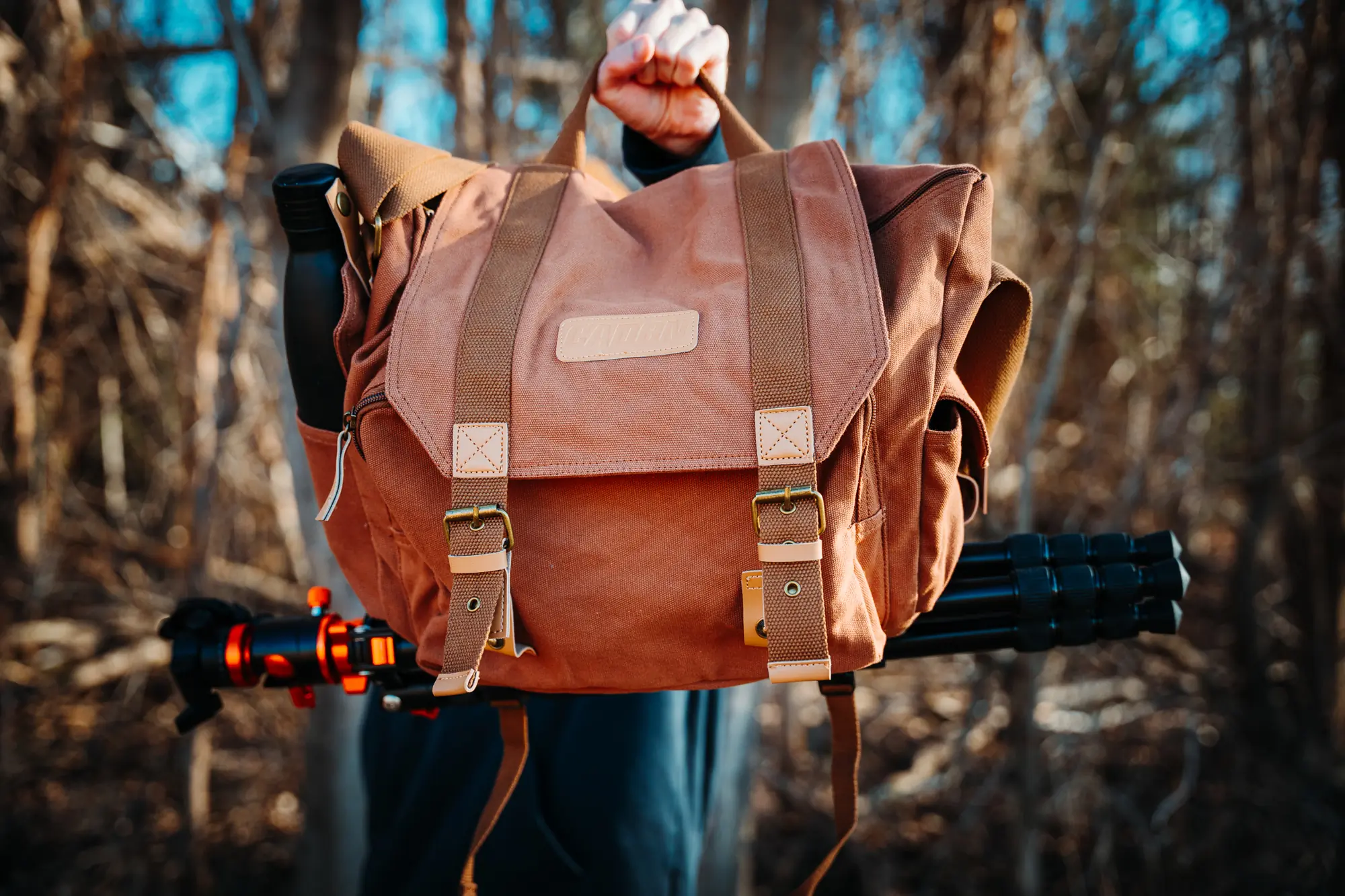
Credit: gearjunkie.com
Materials Behind Quality
The materials used in camera bags play a big role in their price. Quality materials mean better protection and longer use. Cheaper bags use low-cost fabrics that wear out fast. Expensive bags use strong, durable, and safe materials to protect your gear.
Durability And Protection
Camera bags must last through rough use. Durable materials like nylon and polyester resist tears and scrapes. Strong stitching keeps the bag intact under heavy weight. These materials keep your camera safe from bumps and drops. A durable bag saves money by avoiding frequent replacements.
Water-resistant Fabrics
Water can damage cameras easily. Water-resistant fabrics keep moisture out. Coated or laminated textiles stop water from soaking in. Some bags use special zippers that block rain. This protection prevents costly repairs or lost shots due to water damage.
High-grade Padding
Padding cushions the camera against shocks. High-grade foam absorbs impacts well. It holds the camera firmly in place. Low-cost padding may compress quickly and lose protection. Thick, quality padding ensures your gear stays safe in travel or drops.
Design And Functionality
Camera bags often come with a high price tag, but much of that cost is tied to their thoughtful design and specialized functionality. These bags aren’t just ordinary backpacks; they are built to protect delicate gear while keeping everything organized and easy to reach. Understanding what goes into their design can help you see why they’re worth the investment.
Custom Compartments
Every camera bag features compartments tailored to fit cameras, lenses, and accessories securely. These padded sections prevent your gear from moving around and getting damaged during travel. You might notice how some bags have adjustable dividers—this lets you rearrange the space to match your specific equipment setup.
Have you ever struggled to fit your new lens into an old camera bag? Custom compartments solve that problem by offering flexibility and protection. This level of detail takes extra time and materials to produce, which adds to the cost.
Comfort And Ergonomics
Carrying heavy camera equipment for hours can strain your back and shoulders. That’s why camera bags are designed with ergonomics in mind. Features like padded shoulder straps, breathable back panels, and weight distribution systems make a big difference when you’re on the move.
I remember switching to an ergonomic camera bag on a long hiking trip. The difference in comfort was immediate, allowing me to focus on shooting instead of my aching shoulders. Would you rather carry your gear comfortably or risk injury just to save a few bucks?
Accessibility Features
Quick access to your camera can mean the difference between capturing a perfect shot and missing it. Many camera bags include side or top openings that let you grab your camera without fully removing the bag. Some even have dedicated pockets for memory cards, batteries, and filters, so you don’t waste time digging through your gear.
Think about the last time you missed a photo opportunity because fumbling for your equipment took too long. Bags with smart accessibility features prevent those moments. These clever design elements require more engineering and testing, which also contributes to the higher price.
Brand Reputation And Innovation
Camera bags often carry a hefty price tag. The reason is the brand’s reputation and innovation. Trusted brands invest in quality materials and groundbreaking designs. They offer durability, functionality, and style. These factors contribute to higher costs. Let’s dive deeper into the specifics.
Trusted Manufacturers
Top camera bag brands are known for quality. They have years of experience in crafting reliable products. Consumers trust these brands for their durability and functionality. This trust often translates into a willingness to pay more. Brands like Lowepro and Manfrotto have built strong reputations. They consistently deliver products that meet professional standards.
Technological Advancements
Innovation plays a key role in pricing. Modern camera bags feature advanced technology. They offer features like weatherproofing and impact resistance. Some have smart compartments for digital devices. These advancements require significant investment in research and development. Brands continuously strive to improve user experience. This commitment to innovation leads to higher costs.
Limited Editions
Limited edition camera bags can be pricey. They often feature unique designs or collaborations. Collectors and enthusiasts value these exclusive products. Limited availability increases their appeal. Brands use special materials or designs for these editions. This uniqueness justifies the higher price point. Owning a limited edition bag adds prestige and exclusivity.
Production And Craftsmanship
Camera bags stand out because of their careful production and skilled craftsmanship. Each bag must protect valuable equipment and last through tough conditions. This need drives makers to focus on materials, design, and assembly methods.
Handmade Vs Mass Production
Handmade camera bags involve skilled workers crafting each piece. They use precise stitching and quality materials. This process takes time but creates durable, unique bags. Mass production uses machines to make many bags quickly. These bags cost less but often lack the fine details and strength of handmade ones. Handmade bags tend to be more expensive due to labor and quality.
Attention To Detail
Every seam, zipper, and pocket in a camera bag must be perfect. Craftsmen check each part to ensure it fits well and works smoothly. Small details like reinforced corners and padded interiors protect cameras better. This careful work requires skill and patience. Bags with high attention to detail last longer and keep gear safer.
Quality Control
Quality control means testing and inspecting each bag before sale. Experts look for stitching errors, weak spots, and hardware function. Bags that do not meet standards get fixed or discarded. This step ensures customers receive reliable products. Strict quality control raises the cost but guarantees better performance and satisfaction.
Market Demand And Pricing
Camera bags often carry a hefty price tag, and a large part of that comes down to how market demand influences pricing. Understanding who buys these bags and why can shed light on the costs you see. The pricing strategy is shaped by the buyers’ needs, the journey the product takes to reach you, and the layers of costs added along the way.
Target Audience
The primary buyers of camera bags are professional photographers, serious hobbyists, and tech-savvy travelers who need reliable protection for expensive gear. These users expect durability, specialized compartments, and ergonomic design. Because the audience is willing to pay more for quality and functionality, manufacturers set higher prices to match those expectations.
Think about your own priorities when choosing a camera bag. Are you looking for basic storage, or do you need a bag that safeguards your lenses and camera bodies during tough shoots? The specific demands of buyers directly influence how much camera bags cost.
Supply Chain Costs
Camera bags often use high-quality materials like waterproof fabrics, custom foam inserts, and reinforced stitching. These materials are more expensive than regular bag components, pushing the base cost up. Plus, the manufacturing process involves careful craftsmanship, often requiring skilled labor.
Shipping costs also add up because these bags need to be handled carefully to avoid damage. Import taxes and customs fees can increase prices further if the bags are made overseas. All these supply chain factors build up before the bag even reaches the store shelf.
Retail Markups
Once the camera bag arrives at retail outlets, additional costs get added. Retailers need to cover their overheads like rent, staff salaries, and marketing expenses, which they recover through markups on products. These markups can sometimes double the wholesale price.
Online stores might offer lower prices due to fewer overheads, but they still include shipping and handling fees. When you buy a camera bag, consider whether the convenience of purchasing locally or online justifies the price difference. What value do you place on immediate availability versus cost savings?

Credit: www.amazon.com
Long-term Investment Value
Investing in a quality camera bag is more than just buying a carrying case—it’s about protecting your photography tools and securing their value over time. A well-made bag can save you money in the long run by preventing damage, offering support, and even retaining resale value. Have you ever considered how much your gear’s safety is worth compared to the initial cost of the bag?
Protecting Expensive Gear
Your camera and lenses are delicate and costly. A sturdy bag with proper padding shields them from drops, bumps, and weather conditions. Think about the last time you bumped your camera—could a better bag have prevented that scare?
High-quality bags use materials that absorb shock and keep moisture out. This means fewer repairs and longer-lasting equipment, saving you money and stress in the future.
Resale Potential
When you decide to upgrade your gear, having a good camera bag can help maintain its value. A bag that keeps your equipment in excellent condition means you can sell it for a higher price. Would you pay more for a camera that looks brand new?
Some camera bags themselves hold value because of their durability and brand reputation. Investing in one might even provide a return when you sell it later.
Warranty And Support
Many premium camera bags come with warranties that protect your investment. This support can cover defects or damage to the bag, which adds peace of mind. How often do you get a guarantee that your gear’s carrier will be replaced or repaired?
Customer service from reputable brands often includes helpful advice and assistance, ensuring your bag serves you well for years. This kind of backing is rare in cheaper alternatives.
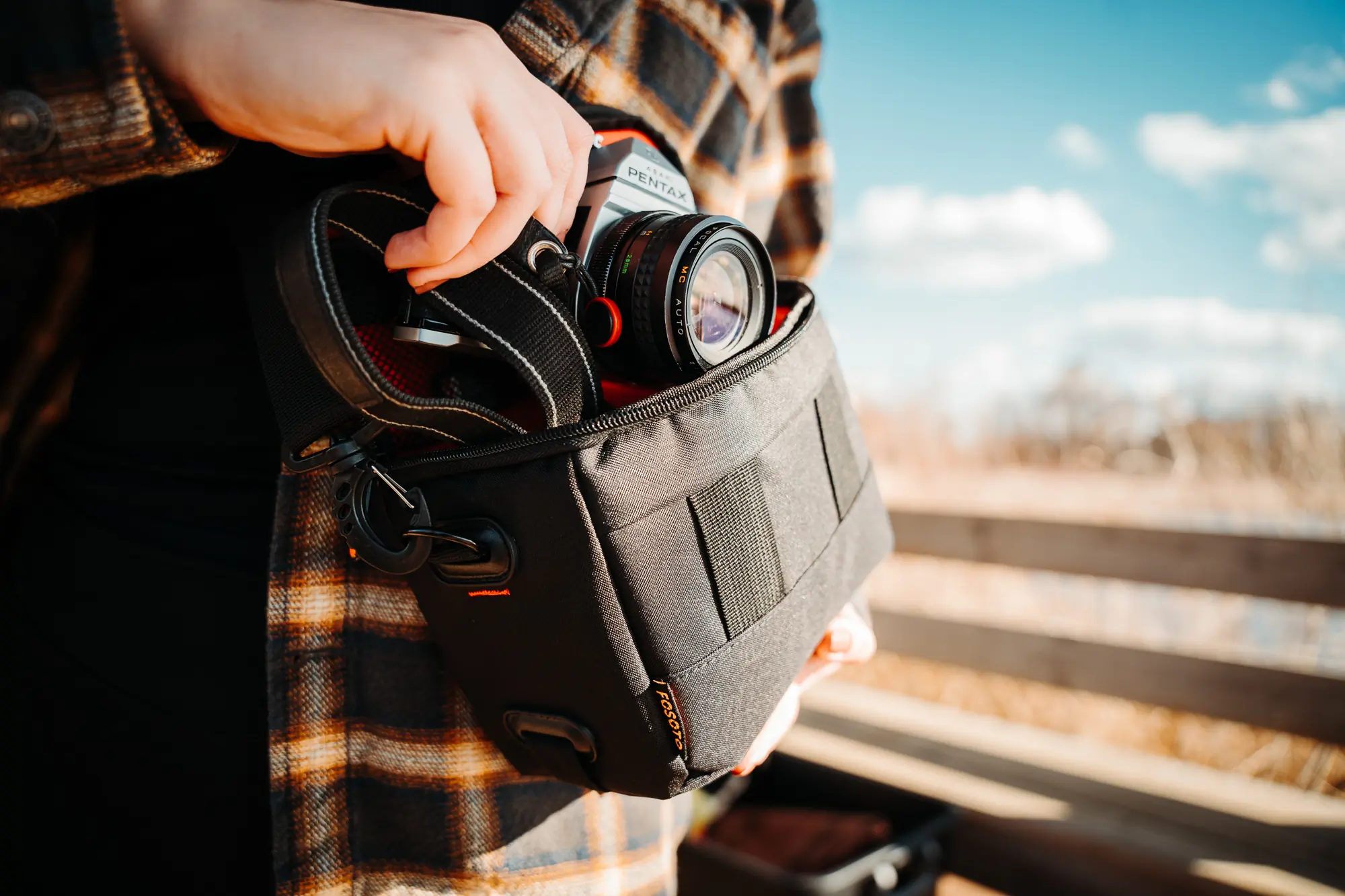
Credit: gearjunkie.com
Frequently Asked Questions
Why Do Camera Bags Cost More Than Regular Bags?
Camera bags use high-quality materials and padding to protect expensive gear. They also have specialized compartments for lenses and accessories, increasing production costs and price.
Are Camera Bags Made With Special Protective Features?
Yes, camera bags include shock-absorbing padding, weather-resistant fabrics, and reinforced stitching to safeguard delicate equipment from damage and harsh conditions.
How Does Design Affect Camera Bag Prices?
Ergonomic designs with customizable compartments and easy access add convenience. These features require advanced manufacturing, raising the overall cost of camera bags.
Do Brand Reputation And Warranty Impact Camera Bag Costs?
Established brands offer durable bags with reliable warranties. This trust and customer support contribute to higher prices compared to generic options.
Conclusion
Camera bags cost more because they protect valuable gear. They use strong materials to keep cameras safe. Designers add many pockets for organization and ease. Good bags last longer, saving money in time. Comfort features help photographers carry gear all day.
Quality zippers and padding add to the price. Choosing a durable bag means fewer worries outdoors. Investing in a reliable bag supports your photography work. A good camera bag is more than just a case. It’s a smart choice for serious photographers.