
Are you torn between choosing a PC or a console for your next gaming adventure? You’re not alone.
Both options have passionate fans and offer unique experiences. But which one truly gives you the best value, performance, and fun? By the end of this article, you’ll have a clear picture to make the choice that fits your style and needs.
Ready to find out which gaming platform will level up your play? Keep reading.
Performance And Graphics
Performance and graphics shape how players experience games. They define the smoothness of gameplay and visual appeal. Both PC and console offer distinct strengths in these areas. Understanding these differences helps choose the right platform.
Hardware Capabilities
PCs have flexible hardware options. Gamers can upgrade parts like the graphics card or processor. This flexibility leads to better performance over time. Consoles come with fixed hardware. They are optimized for gaming but cannot be upgraded. This limits their performance growth as new games demand more power.
Graphics Quality
PCs can deliver higher resolution and detailed textures. This depends on the hardware used. Consoles provide consistent graphics quality designed for their system. Some newer consoles support 4K resolution but may lower settings to keep games smooth. PCs can push graphics further with mods and settings adjustments.
Frame Rates And Refresh Rates
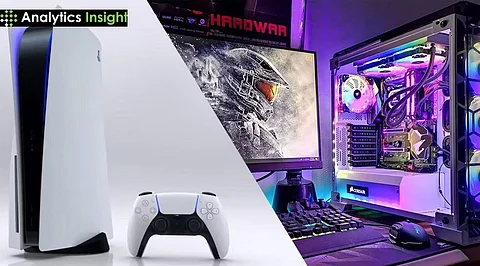
PCs often achieve higher frame rates. Gamers can reach 60, 120, or even 144 frames per second. This makes gameplay smoother and more responsive. Consoles usually target 30 or 60 frames per second. High-end consoles can sometimes match PC frame rates but not always. Monitor refresh rates on PCs can also be higher, enhancing the experience.
Credit: www.analyticsinsight.net
Game Library And Exclusives
The game library and exclusives often shape your gaming experience more than the hardware itself. Choosing between PC and console gaming means weighing the variety, special titles, and your ability to play older games. These factors influence not only what you play but how you connect with the gaming community and your favorite franchises.
Variety Of Games
PC gaming offers a massive range of games, from indie gems to blockbuster hits. You can find titles across all genres, including mods and user-created content that often extend game life. Consoles have a curated library, focusing on polished experiences, but sometimes limit you to fewer genres or styles.
Think about what types of games you enjoy. Are you into niche or experimental games? PC likely has more options. If you prefer straightforward, optimized titles, consoles might serve you better.
Exclusive Titles
Console exclusives often drive purchase decisions. PlayStation’s “The Last of Us” and Xbox’s “Halo” define their platforms. Meanwhile, PC boasts exclusives like “Civilization” and “World of Warcraft,” offering deep, complex experiences.
Your choice may depend on which franchises resonate more with you. Do you want access to iconic series only available on certain consoles? Or are you drawn to the expansive worlds and community-driven games found on PC?
Backward Compatibility
Playing older games matters if you have a collection or nostalgia for classics. PCs generally handle backward compatibility well, thanks to software like emulators and backward support in digital stores. Consoles vary; newer systems often support previous generations but with some exceptions.
Ask yourself: Do you want to revisit classics without hassle? PC’s flexibility might suit you better. But if you prefer plug-and-play simplicity, a console’s backward compatibility can be convenient.
Cost And Value
Cost and value play a big role in choosing between PC and console gaming. Both have different expenses and benefits. Understanding these can help decide which fits your budget and needs better.
Initial Investment
Console gaming usually requires buying the console and games. Consoles cost less upfront, often between $300 and $500. Games can be cheaper during sales or secondhand.
PC gaming needs a good computer. A gaming PC can cost $700 or more at the start. You might spend more on a monitor, keyboard, and mouse too. But some budget PCs can still run many games well.
Ongoing Expenses
Console gamers pay for new games, which can cost $60 or more. Online services like PlayStation Plus or Xbox Live add a yearly fee. These services provide online play and free games.
PC gamers buy games from stores like Steam. Sales and bundles lower prices a lot. Most PC games do not need extra fees for online play. However, some games have subscriptions or in-game purchases.
Upgrade Potential
Consoles stay the same until a new model comes out. You cannot change parts or improve performance. This keeps costs steady but limits future upgrades.
PCs can be upgraded over time. You can add more RAM, better graphics cards, or bigger storage. This spreads out costs and keeps your system current longer. Upgrades help play new games with better graphics and speed.
User Experience
User experience is a key factor in choosing between PC gaming and console gaming. It shapes how players enjoy their games daily. Comfort, control, and interaction vary widely across these platforms. This section explores ease of use, customization options, and social features to help understand what each platform offers.
Ease Of Use
Console gaming offers a simple setup. Just plug in, turn on, and play. The interface is designed for quick access and minimal technical knowledge. Games come on discs or digital downloads ready to run.
PC gaming requires more setup. Installing games, updating drivers, and configuring settings take time. However, PCs allow more control over performance and visuals. This can enhance the gaming experience for those willing to learn.
Customization Options
PCs excel in customization. Players can upgrade hardware like graphics cards and memory. This boosts game performance and graphics quality. Software mods and custom key bindings are common. These options tailor games to personal tastes.
Consoles offer limited customization. Hardware upgrades are rare or impossible. Some consoles allow controller remapping and display settings. Still, these options are far fewer compared to PCs.
Social And Multiplayer Features
Consoles focus on social gaming with built-in party chat and easy multiplayer. Friends lists and matchmaking are integrated into the system. This encourages group play and quick communication.
PCs provide diverse multiplayer options. Gamers can use platform services like Steam or external apps like Discord. This flexibility supports large communities and competitive gaming. However, it may require more setup and management.
Portability And Convenience
Portability and convenience play a huge role in gaming choices. Gamers often debate between PC and console gaming based on these factors. Both have their advantages and drawbacks, making the decision complex.
Setup And Space Requirements
PC gaming setups usually require more space. You need room for the monitor, keyboard, and mouse. Consoles are compact, fitting easily under a TV. They need less space than a PC.
PC setups might involve complex installations. Consoles have straightforward plug-and-play systems. This simplicity attracts many gamers.
Gaming On The Go
Consoles like the Nintendo Switch excel in portability. You can game anywhere, anytime. PCs are less portable, usually tied to a desk.
Portable consoles are perfect for travel. They allow gaming in various locations. PC gaming lacks this flexibility.
Accessibility
Consoles are user-friendly for beginners. They offer simple interfaces and easy navigation. PCs might seem daunting to new users.
Consoles have quick startup times. PCs might take longer to boot and load games. This can affect gaming convenience.
Future-proofing And Longevity
Future-proofing and longevity are key concerns for gamers deciding between PC and console platforms. Choosing the right system affects how long you can enjoy new games without frequent upgrades or replacements. Both options offer different strengths in hardware durability, software support, and community involvement. Understanding these factors helps predict which platform remains viable over time.
Hardware Lifespan
PC hardware varies widely in quality and price. High-end parts last longer and handle new games better. You can upgrade parts like the graphics card or RAM. This extends your PC’s life without buying a new system. Consoles have fixed hardware. They often last several years but cannot be upgraded. When a new console generation arrives, older models lose support for new games.
Software Updates
PC software updates happen frequently. Operating systems and games receive patches that improve performance and fix bugs. These updates keep older hardware usable longer. Consoles receive system updates too. They enhance security and add features. However, software support usually ends when the console generation ends. This limits access to new games and online features.
Community Support
PC gaming has large, active communities. Forums, mods, and user-created content extend game life. Mods can add new features or fix bugs. Console communities are smaller and more controlled. Modding is limited or not allowed. Developers often stop updating older consoles, shrinking the player base. A larger community means more multiplayer options and ongoing game support.
Credit: gamertech.ca
Frequently Asked Questions
What Are The Main Differences Between Pc And Console Gaming?
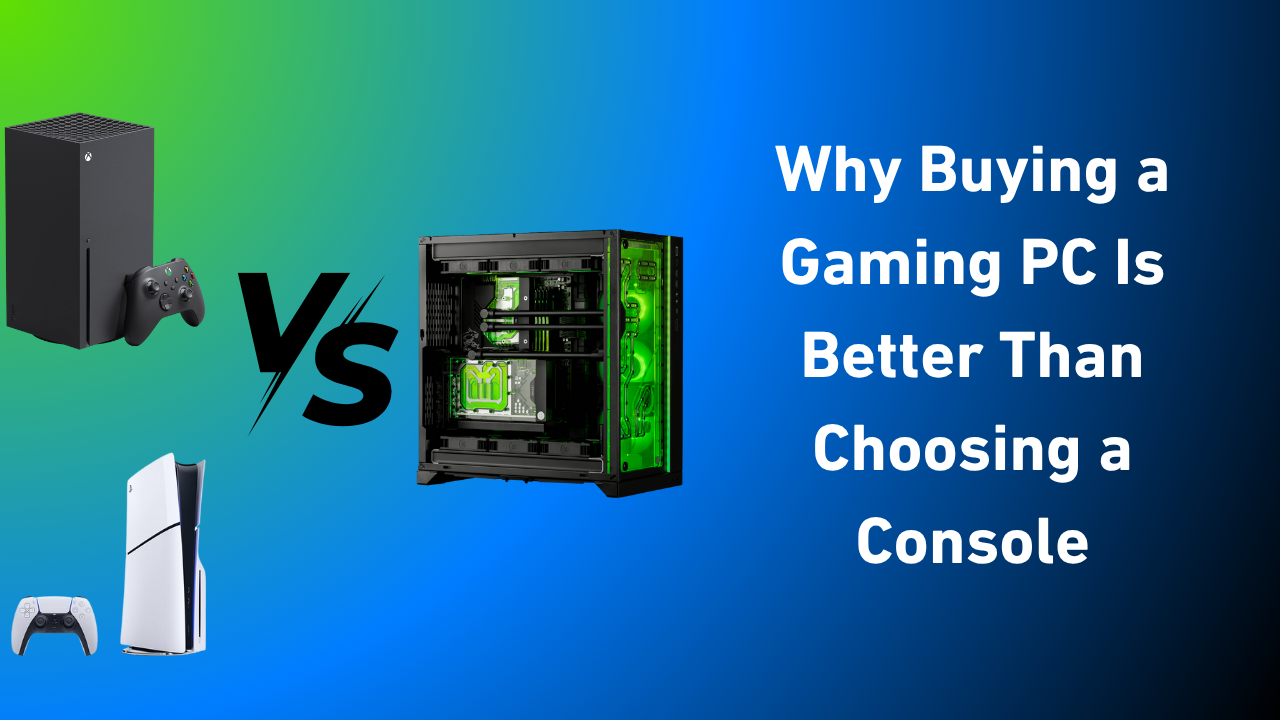
PC gaming offers better graphics, customization, and multitasking. Console gaming provides ease of use, exclusive titles, and consistent performance. PCs are upgradeable, while consoles offer a plug-and-play experience. Your choice depends on preferences for flexibility or simplicity.
Is Pc Gaming More Expensive Than Console Gaming?
PC gaming generally costs more upfront due to hardware and upgrades. Consoles have a lower initial cost but may require additional purchases. Over time, PC games often have better discounts. Budget and long-term plans influence which is more economical.
Which Platform Has Better Game Performance, Pc Or Console?
PCs typically deliver higher frame rates and resolution with powerful hardware. Consoles are optimized for smooth performance on fixed specs. PC performance varies by components, while consoles offer stable, consistent gameplay.
Are There Exclusive Games For Pc Or Consoles?
Yes, consoles have exclusive titles like PlayStation’s God of War and Xbox’s Halo. PCs feature exclusives such as strategy games and mods. Exclusive games can influence your platform choice.
Conclusion
Choosing between PC gaming and console gaming depends on your style. PCs offer high customization and better graphics. Consoles provide ease of use and exclusive games. Both have strong communities and fun experiences. Think about your budget and game preferences.
Either way, gaming brings excitement and entertainment. Enjoy playing the way that suits you best.