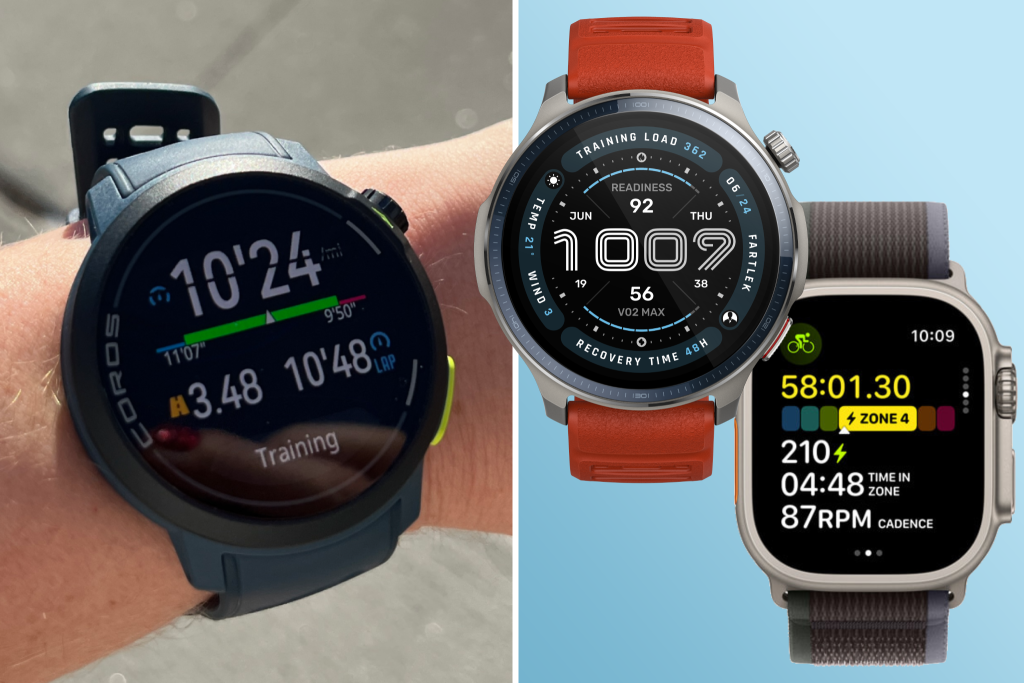
Are you tired of guessing how well you’re doing with your workouts? Finding the most accurate fitness tracker can change everything.
Imagine having a device that truly understands your body, tracks your progress with precision, and helps you reach your goals faster. But with so many options out there, how do you know which one is right for you? Keep reading, because we’re breaking down the top choices to help you find the perfect fitness tracker that matches your lifestyle and delivers real results.
Your journey to smarter fitness starts here.
Criteria For Accuracy
Understanding the criteria that define accuracy in fitness trackers can help you choose one that truly meets your needs. Accuracy is not just about numbers; it’s about how well those numbers reflect your real activity and health. Let’s break down the key areas that determine a fitness tracker’s precision and why they matter to your daily routine.
Heart Rate Monitoring
Accurate heart rate monitoring means your tracker can reliably measure your pulse throughout the day and during workouts. Some devices use optical sensors that shine light through your skin, but these can struggle with movement or skin tone variations. Have you noticed your tracker showing wildly different readings during intense exercise? This inconsistency often highlights a device’s limitation in heart rate accuracy.
Look for trackers that offer continuous heart rate tracking and compare data against medical-grade devices if you want precise health insights. A tracker that updates readings frequently will give you a more realistic view of your heart health.
Step Counting Precision
Step counting seems simple but can be surprisingly tricky to get right. Devices use accelerometers to detect motion, but walking styles and arm movements can cause false counts. Ever caught your tracker counting steps while you were just sitting and moving your hand? That’s a common issue with less accurate models.
Consider trackers that allow you to calibrate step length and filter out non-walking movements. This adjustment ensures the step count reflects your actual activity, helping you stay on track with your fitness goals.
Gps Tracking Reliability
GPS accuracy affects how well your tracker maps runs, bike rides, or hikes. Poor GPS can result in incorrect distance, pace, and route data. If your device frequently loses signal or shows strange paths, it’s likely not reliable for outdoor activities.
Choose a tracker with strong satellite connectivity and quick signal acquisition. Some models combine GPS with GLONASS or Galileo systems for improved location tracking, giving you confidence in your logged routes.
Sleep Tracking Accuracy
Sleep tracking measures your rest quality by detecting movement and heart rate changes. However, trackers that only rely on motion may mistake quiet wakefulness for sleep, leading to misleading results. Have you ever looked at your sleep report and wondered why it shows you were asleep when you were actually tossing and turning?
Devices that integrate multiple sensors—like heart rate variability and skin temperature—tend to offer more accurate sleep stages. Accurate sleep data can help you understand your rest patterns and improve your overall health.
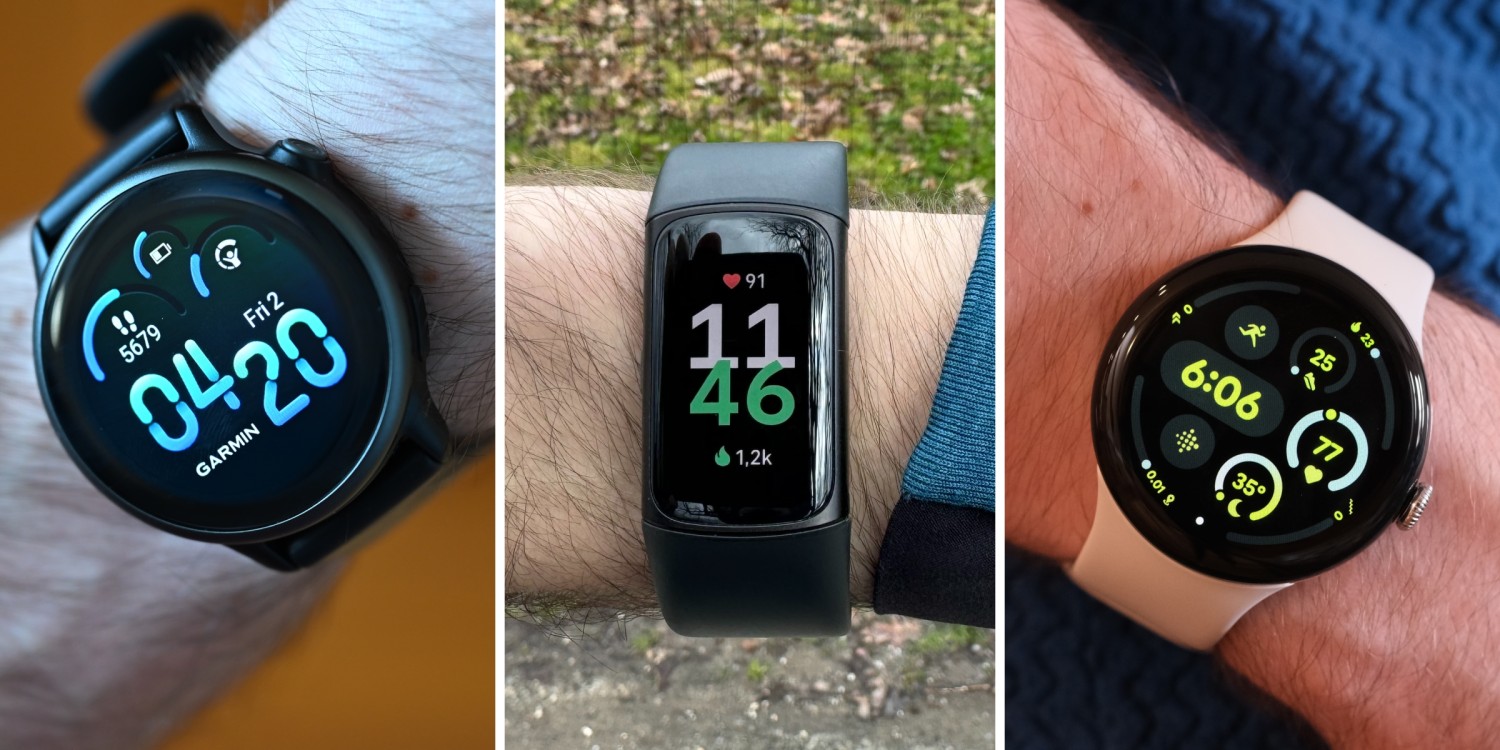
Credit: www.nbcnews.com
Top Fitness Trackers
Choosing the most accurate fitness tracker depends on what features you value most and your budget. The market offers a wide range of options from premium devices loaded with advanced sensors to affordable models that cover the basics well. Let’s look at some of the best fitness trackers available across different price points, so you can find one that fits your lifestyle and goals.
High-end Models
High-end fitness trackers provide exceptional accuracy and a rich set of features. Devices like the Garmin Fenix 7 and Apple Watch Series 9 use multiple sensors, including GPS, heart rate monitors, and SpO2 sensors, to deliver precise data.
These models often include advanced workout tracking, recovery insights, and smartphone integration. If you are serious about fitness and want detailed health analytics, these trackers are worth the investment.
Mid-range Options
Mid-range fitness trackers balance accuracy and affordability. The Fitbit Charge 5 and Samsung Galaxy Fit 2 offer reliable heart rate monitoring and step counting, with some GPS functionality included.
They usually have good battery life and offer smart notifications. If you want solid performance without breaking the bank, these options provide great value and accuracy for everyday use.
Budget-friendly Choices
Budget-friendly trackers like Xiaomi Mi Band 7 and Amazfit Band 5 deliver essential tracking features at a low cost. While they may not have the most advanced sensors, they still provide accurate steps, sleep tracking, and basic heart rate monitoring.
These are perfect if you are new to fitness tracking or want a simple device to keep you motivated. Can a budget tracker meet your accuracy needs, or is it better to invest more upfront?
Features That Impact Accuracy
Accuracy in fitness trackers depends on several key features. These features work together to provide precise data. Understanding them helps in choosing the best device for your needs.
Sensor Technology
High-quality sensors detect movement, heart rate, and other body signals. Optical sensors use light to measure blood flow and pulse. Accelerometers track steps and motion. Gyroscopes detect orientation and rotation. Better sensors reduce errors in tracking activity.
Software Algorithms
Algorithms process raw data from sensors into meaningful insights. They filter out noise and correct mistakes. Advanced algorithms learn user habits for better accuracy. Regular updates improve performance and fix bugs. Accurate software ensures reliable fitness data.
Battery Life And Performance
Long battery life allows consistent tracking without interruptions. Devices with poor battery may lose data or stop tracking. Efficient power use keeps sensors and software working well. Balanced performance ensures accuracy over long periods.
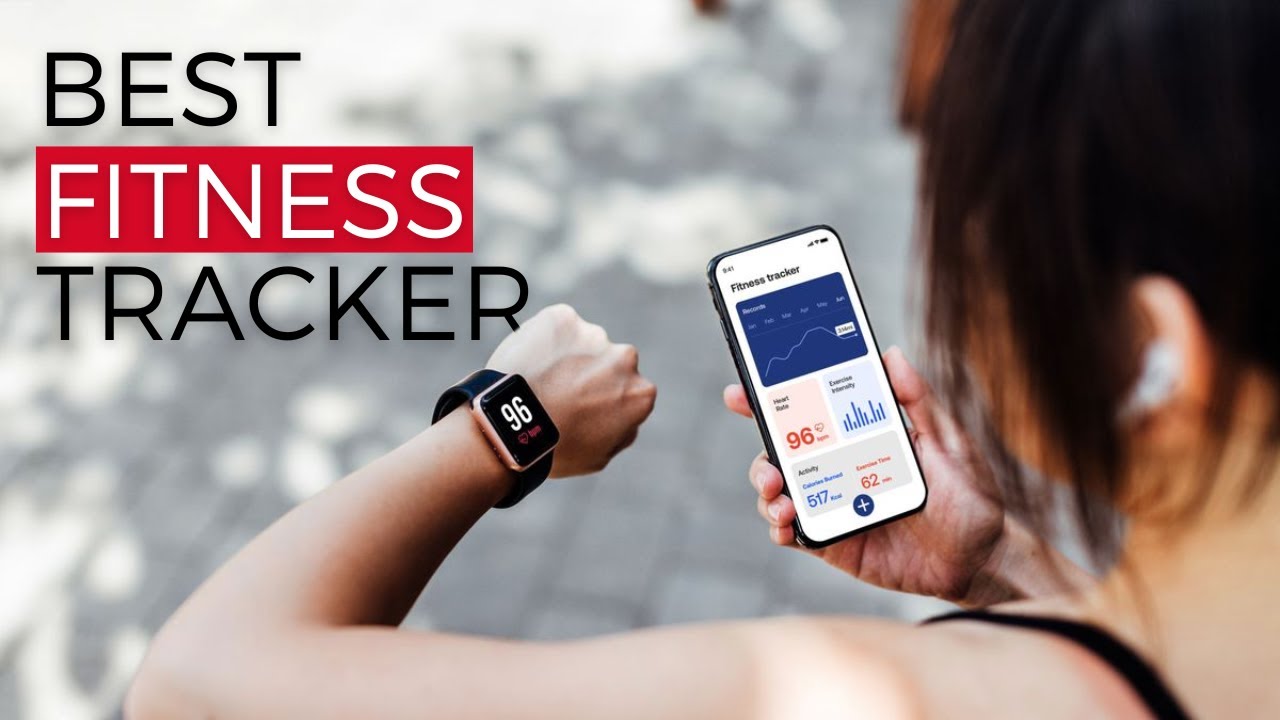
Credit: www.youtube.com
User Experience And Feedback
When searching for the most accurate fitness tracker, user experience and feedback are crucial elements to consider. A device might have impressive features, but if it doesn’t fit well or its app interface is confusing, its effectiveness can be compromised. Your journey to a healthier lifestyle should be supported by a tracker that feels like a natural extension of your daily routine. Let’s dive into what users are saying about comfort, app interfaces, and overall satisfaction with their fitness trackers.
Comfort And Wearability
A fitness tracker should be as comfortable as your favorite pair of sneakers. You wear it all day, often during intense workouts or while sleeping. Comfort is key. Many users report that silicone bands provide the best balance between durability and comfort. They are light, breathable, and don’t irritate the skin during long wear.
Think about the tracker’s size and shape—does it fit snugly on your wrist without being too tight? Some users prefer slim designs that can be worn discreetly, while others enjoy larger displays for easier reading. Your personal comfort preference can significantly impact your satisfaction with the device.
App Interface And Data Insights
Imagine having a fitness tracker that collects data but leaves you scratching your head on how to interpret it. The app interface should be intuitive, offering clear insights into your daily activities and health trends. Most users appreciate apps that are easy to navigate, with dashboards that provide a snapshot of their progress.
Look for apps that offer customizable settings. Can you set personalized goals and receive alerts? Some trackers provide detailed insights like sleep patterns and heart rate variability, empowering you to make informed decisions about your health. The right app can transform raw data into actionable steps.
Customer Reviews And Ratings
Customer reviews are a goldmine of information. They often reveal the nitty-gritty details about a tracker’s performance that product descriptions might gloss over. For instance, if many users mention battery life as a recurring issue, it’s worth considering a model with longer-lasting power.
Ratings can help you gauge overall satisfaction. A device with consistently high ratings and positive reviews is likely to meet your expectations. However, pay attention to recurring complaints—these can signal potential drawbacks. Would you trust a tracker with mixed reviews, or do you prefer one with a solid track record?
By considering user feedback on comfort, app functionality, and customer reviews, you can make a well-informed choice that aligns with your fitness goals. A tracker should enhance your journey, not complicate it. What features do you prioritize in your ideal fitness companion?
Comparing Fitness Trackers Side-by-side
Comparing fitness trackers side-by-side helps you see which device truly fits your lifestyle and accuracy needs. Each tracker shines differently depending on the activity, build, and price. Let’s break down these key factors so you can make a smart choice.
Performance In Various Activities
Some trackers excel at running but struggle with swimming or cycling. For example, the Garmin Forerunner offers highly accurate GPS and heart rate data for runners, while the Fitbit Charge performs better during everyday activities and gym workouts. Think about your main activities—are you mostly walking, swimming, or doing high-intensity interval training? Choose a tracker that matches those needs for the best data.
Durability And Build Quality
You want a tracker that lasts through sweat, rain, and accidental bumps. Devices like the Suunto 9 are built tough with military-grade materials, making them ideal for outdoor adventurers. On the other hand, lighter models like the Xiaomi Mi Band offer comfort but may not survive rough conditions. How often do you push your gear to its limits? That should guide your durability choice.
Price Versus Accuracy
Higher price doesn’t always mean better accuracy. The Apple Watch provides detailed metrics but comes at a premium cost, while affordable options like the Amazfit Bip offer surprisingly reliable tracking for less money. Consider what accuracy level you truly need—would you sacrifice some precision for a budget-friendly option? Balancing price and performance can save you money without compromising your fitness goals.
Tips For Choosing The Right Tracker
Choosing the right fitness tracker can improve your workout and health tracking. The best tracker fits your personal needs and habits. Focus on what matters most to you for better results.
Matching Tracker To Fitness Goals
Different trackers suit different goals. Want to count steps or track heart rate? Some devices focus on running or cycling. Choose one that measures what you want to improve. This helps keep you motivated and on track.
Considering Lifestyle And Budget
Your daily routine affects which tracker works best. If you work outdoors, durability matters. For office jobs, style and comfort count. Budget sets limits but many affordable trackers offer key features. Balance cost with what you really need.
Future-proof Features
Look for features that last over time. Longer battery life saves charging hassles. Water resistance adds protection for swimming or rain. Compatibility with apps helps analyze your data easily. Updates and new functions keep the tracker useful for years.
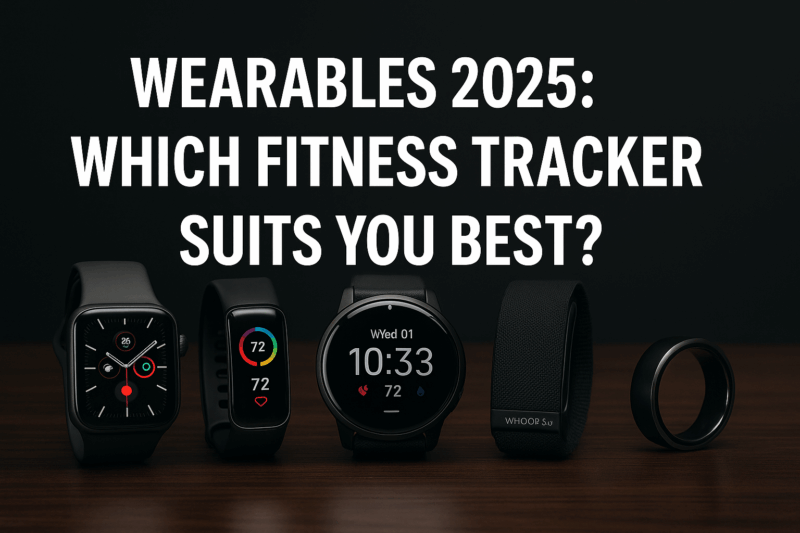
Credit: www.tipsfromatypicalmomblog.com
Frequently Asked Questions
What Makes A Fitness Tracker The Most Accurate?
Accuracy depends on sensor quality, algorithms, and fit. Advanced trackers use multiple sensors for precise heart rate and step count. Consistent calibration and updates also improve accuracy over time.
Which Fitness Tracker Is Best For Accurate Heart Rate Monitoring?
Devices like the Apple Watch Series and Garmin Forerunner offer top heart rate accuracy. They use optical sensors and ECG technology to provide reliable data during various activities.
How Do Fitness Trackers Measure Steps Accurately?
They use accelerometers and gyroscopes to detect motion patterns. Algorithms filter out false movements to count only actual steps, ensuring precise step tracking throughout the day.
Can Fitness Trackers Accurately Measure Calories Burned?
Yes, but calorie estimates vary based on user input and sensor data. High-end trackers combine heart rate and activity type for better calorie burn accuracy.
Conclusion
Choosing the most accurate fitness tracker depends on your needs and budget. Devices vary in features and precision. Some track heart rate better, while others excel in step counting. Battery life and comfort also matter. Trust reviews and test devices if possible.
Accuracy helps you reach health goals confidently. A good tracker keeps you motivated and informed. Remember, no device is perfect, but many come close. Find one that fits your lifestyle and supports your fitness journey well.