
Have you ever wondered what VR headsets actually do? Imagine putting on a device that can transport you to a different world instantly.
VR headsets don’t just play games—they can change how you learn, explore, and even connect with others. You’ll discover exactly how these gadgets work and why they’re becoming a must-have for so many people. By the end, you’ll see VR in a whole new light—and maybe even want to try it yourself.
Keep reading to unlock the power of virtual reality and how it can transform your everyday experience.
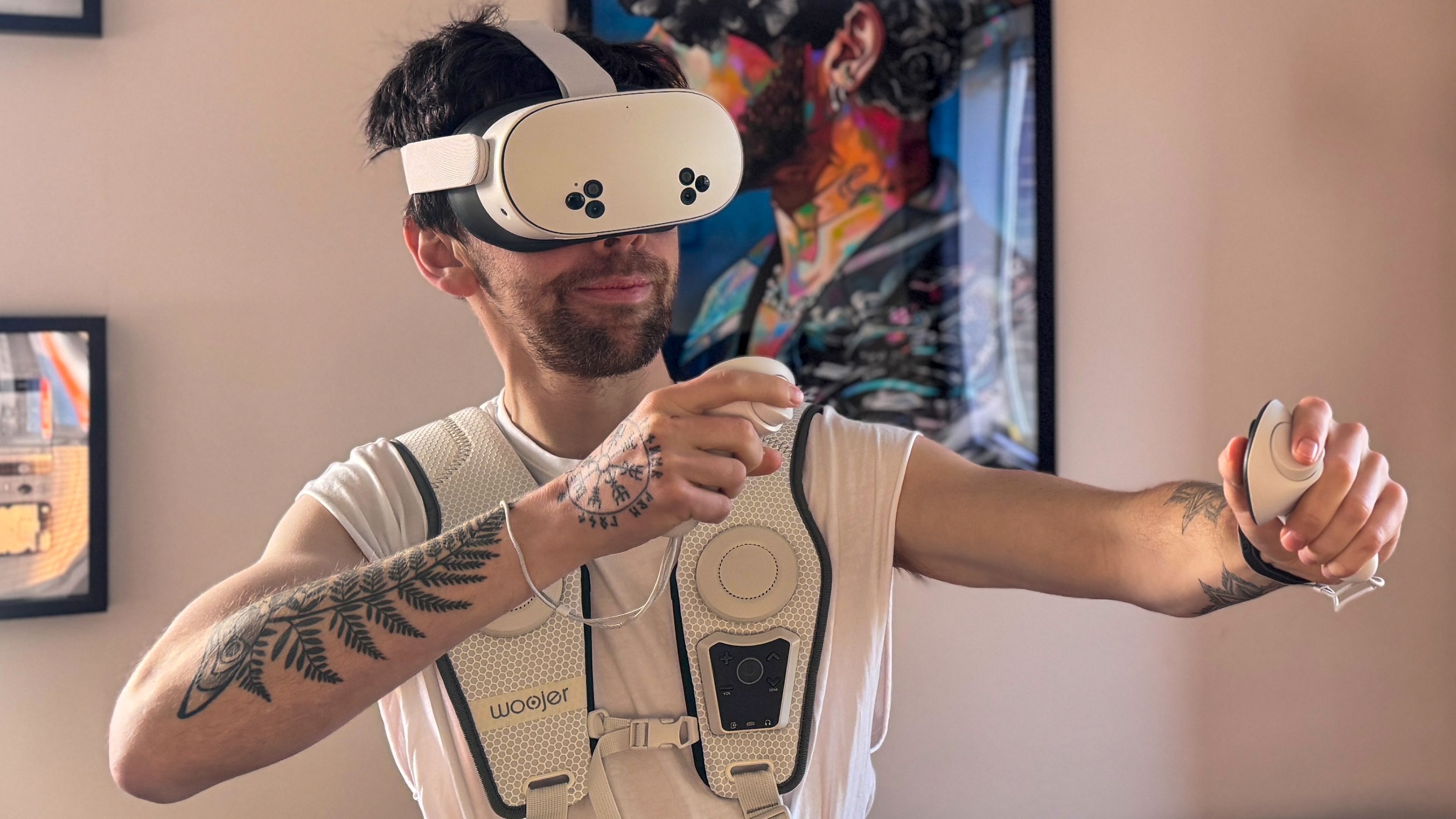
Credit: www.tomsguide.com
How Vr Headsets Work
Virtual reality (VR) headsets create immersive digital worlds by blending hardware and software. These devices trick your brain into feeling like you are inside a different place. Understanding how they work helps you appreciate this technology better. VR headsets use a mix of parts and systems to track your movements and display images that change as you move.
Core Components
A VR headset has several main parts. The display shows the virtual world in front of your eyes. Lenses sit between your eyes and the display to focus the image. Sensors and cameras track your head and hand movements. A processor runs the software that creates the virtual environment. All these parts work together to make the experience smooth and real.
Tracking And Sensors
Tracking is key to VR. The headset uses sensors like gyroscopes and accelerometers. They detect the direction and speed of your head movements. External cameras or base stations can also track your position in the room. This tracking allows the VR world to shift as you move, keeping the view correct. Some controllers have sensors too, tracking your hand motions.
Display Technology
The display inside a VR headset is usually an LCD or OLED screen. It shows two images, one for each eye, to create depth. The screens have a high refresh rate to prevent motion sickness. Lenses adjust the image so it appears three-dimensional. Some headsets use higher resolution for sharper images. Brightness and color quality also affect how real the scene looks.
Types Of Vr Headsets
VR headsets come in different types, each designed for specific uses and experiences. Understanding these types helps you pick the right device for your needs. The main categories include tethered headsets, standalone headsets, and mobile VR devices. Each offers a unique way to enter virtual worlds.
Tethered Headsets
Tethered headsets connect to a PC or gaming console. They offer high-quality graphics and powerful performance. These devices use cables to link with external hardware. This connection provides smooth, detailed visuals. They require a strong computer or console to run VR applications.
Users get immersive experiences for gaming and simulations. The cable can limit movement but improves processing power. Examples include Oculus Rift and HTC Vive.
Standalone Headsets
Standalone headsets work without any cables or external devices. They have built-in processors, screens, and batteries. This makes them easy to use anywhere. These headsets balance good graphics with mobility. They support many VR apps and games without extra hardware.
Standalone devices are great for casual users and beginners. Popular models include Oculus Quest and Pico Neo.
Mobile Vr Devices
Mobile VR devices use smartphones as the display and processor. You insert your phone into the headset. The phone’s screen and sensors create the VR experience. These headsets are affordable and portable. They offer basic VR suitable for simple games and videos.
Mobile VR is a good introduction to virtual reality. Examples are Samsung Gear VR and Google Cardboard.
Immersive Experiences Offered
VR headsets bring immersive experiences that feel surprisingly real, making you more than just a spectator. They pull you into new worlds and moments that engage your senses and emotions. Whether you’re diving into games, traveling faraway places, learning new skills, or connecting with others, VR turns ordinary activities into vivid adventures.
Gaming Adventures
VR transforms gaming by putting you inside the action. Instead of watching characters on a screen, you become part of the story. You can look around, move your hands, and interact with objects as if they were right in front of you.
Imagine battling fierce dragons or solving puzzles in a haunted mansion where every sound and sight reacts to your presence. This level of immersion makes gameplay more intense and memorable. Have you ever felt your heart race during a VR game? That’s the power of being truly inside the experience.
Virtual Travel
VR headsets let you visit places you might never see in person. You can wander ancient cities, dive into coral reefs, or hike up mountains from your living room. The detail and scale create a sense of presence that photos and videos can’t match.
Think about standing at the edge of the Grand Canyon or exploring the streets of Tokyo without packing a bag. This type of virtual travel can inspire your real-world adventures or offer a peaceful escape when travel isn’t possible. What destinations would you explore if you had unlimited VR trips?
Educational Simulations
Learning through VR becomes hands-on and interactive. You can dissect a frog, pilot a spacecraft, or practice surgery with tools that respond like the real thing. This makes complex subjects easier to understand and remember.
Students and professionals gain confidence by practicing in safe, controlled environments. For example, medical trainees improve their skills without any risk to patients. Could this form of learning change how you approach challenging topics?
Social Interaction
VR creates new ways to connect with people, even when they’re far away. You can meet friends in virtual rooms, attend concerts, or work together on projects as if sharing the same space. This shared presence feels more natural than text or video calls.
Many users find themselves building deeper relationships through VR because it allows for body language and spatial audio. How might your social life change if you could hang out with anyone, anywhere, anytime in VR?

Credit: www.youtube.com
Setting Up Your Vr Headset
Setting up a VR headset is the first step to entering virtual worlds. It requires attention to hardware, software, and calibration. Proper setup ensures the best experience and comfort.
Hardware Requirements
Check your computer or console to meet VR hardware needs. Most VR headsets require a powerful graphics card and enough RAM. USB and HDMI ports are necessary for connecting the device.
- Graphics card: at least NVIDIA GTX 1060 or equivalent
- RAM: minimum 8GB
- Processor: Intel i5 or higher
- USB 3.0 port
- HDMI or DisplayPort
Ensure enough space around for safe movement. Clear the area to avoid accidents during use.
Software Installation
Install the VR headset software from the official website or app store. This software controls headset functions and updates. Follow on-screen instructions carefully during installation.
- Download headset drivers
- Install VR platform software (like SteamVR or Oculus app)
- Create or log into your account
- Run setup assistant for device detection
Keep software updated for new features and fixes. Restart your device after installation for smooth operation.
Calibration Tips
Calibration aligns the headset and controllers with your physical space. Proper calibration avoids motion sickness and tracking errors. Follow these tips for accurate setup:
- Adjust headset straps for a snug fit
- Set the interpupillary distance (IPD) for clear visuals
- Place sensors or cameras in recommended positions
- Run the room setup tool to define play area boundaries
- Test controller tracking and recalibrate if needed
Take short breaks during calibration to stay comfortable. Proper calibration improves immersion and reduces eye strain.
Future Of Vr Technology
The future of VR technology is both exciting and promising, offering a glimpse into a world where digital and physical realities seamlessly blend. As VR headsets evolve, they promise more immersive experiences that could transform everything from gaming to education and even healthcare. But what does the future really hold for VR technology?
Advancements In Hardware
VR headsets are becoming lighter and more comfortable, allowing for longer usage without discomfort. Improved optics and higher resolution displays are making virtual environments more lifelike, enhancing the sense of presence. Furthermore, advancements in wireless technology mean you can move freely without being tethered to a computer, thus expanding the potential for interactive experiences.
Expanding Applications
Beyond entertainment, VR is making waves in various industries. In education, immersive learning experiences are changing the way students engage with content. Healthcare professionals are using VR for therapy and training, offering new ways to treat patients and develop skills. Are you ready to see VR redefine how we interact with the world?
Challenges To Overcome
Despite its potential, VR faces hurdles that need addressing. Motion sickness remains a concern for many users, limiting the time they can spend in virtual environments. High costs can make VR technology inaccessible to some, slowing widespread adoption. What solutions can developers and manufacturers implement to make VR more user-friendly and affordable?

Credit: www.theverge.com
Frequently Asked Questions
What Do Vr Headsets Do For Users?
VR headsets create immersive 3D environments for users to explore. They simulate real or imaginary worlds, enhancing gaming, training, and entertainment experiences.
How Do Vr Headsets Enhance Gaming Experiences?
VR headsets provide a first-person view and 360-degree interaction. This immersion makes games more engaging and realistic by tracking head and hand movements.
Can Vr Headsets Be Used For Education?
Yes, VR headsets offer interactive learning through virtual simulations. They help students understand complex subjects by providing hands-on virtual experiences.
Are Vr Headsets Suitable For Professional Training?
VR headsets are ideal for safe, cost-effective training. They simulate real-life scenarios for industries like healthcare, aviation, and manufacturing, improving skills without risk.
Conclusion
VR headsets create a new world right before your eyes. They let you see, hear, and sometimes touch virtual places. People use them for games, learning, and work. They make experiences feel real and fun. VR technology keeps growing and changing fast.
This means more ways to explore and enjoy. Trying a VR headset can open doors to new adventures. It’s a simple step into the future of technology.