
Are you curious if there’s a smartwatch that can keep an eye on your blood pressure? Managing your health just got easier with wearable tech that goes beyond counting steps.
Imagine having real-time updates on your blood pressure right on your wrist, helping you stay in control and catch potential issues early. You’ll discover which smartwatches truly monitor blood pressure, how accurate they are, and what to look for before making a choice.
Keep reading to find out how this technology can become your new health companion.
Credit: www.herzindagi.com
Blood Pressure Tracking Tech
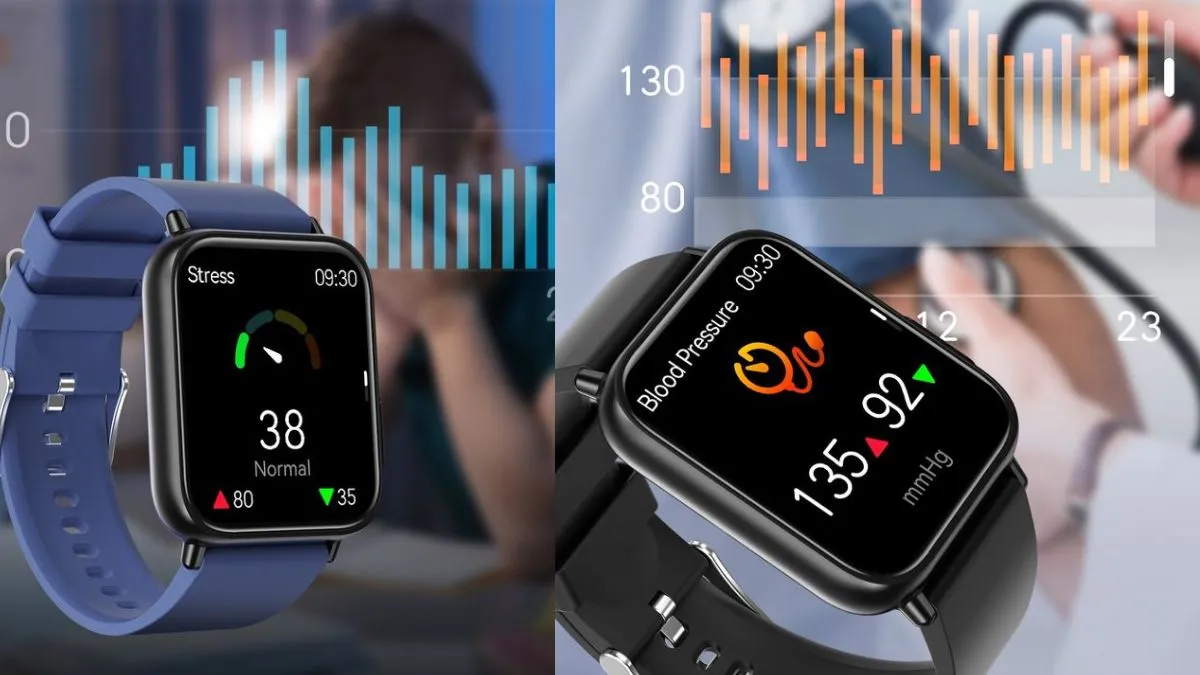
Blood pressure tracking technology in smartwatches has come a long way, offering users a way to keep tabs on their heart health without bulky cuffs or frequent doctor visits. These devices aim to provide quick, on-the-go measurements, blending convenience with health awareness. But how exactly do they measure blood pressure, and what should you keep in mind when trusting these readings?
How Smartwatches Measure Blood Pressure
Most smartwatches use optical sensors that shine light through your skin to detect blood flow changes. This method, called photoplethysmography (PPG), estimates your pulse wave and uses algorithms to calculate blood pressure.
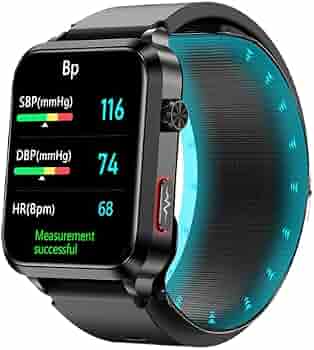
Some advanced models include an inflatable cuff integrated into the band, which briefly tightens to get a more traditional reading. This hybrid approach can improve accuracy but makes the watch bulkier.
Have you noticed how some readings vary throughout the day? That’s because factors like movement and skin temperature can influence the sensors.
Accuracy Factors To Consider
- Sensor Quality:Higher-end sensors tend to deliver more consistent results.
- Calibration:Many smartwatches require initial calibration with a traditional cuff for precise tracking.
- User Activity:Motion and improper positioning can cause errors in readings.
- Skin Tone and Thickness:These can affect light absorption, impacting the PPG sensor’s accuracy.
Understanding these factors can help you interpret your smartwatch’s readings better. Are you using your device in the optimal way to get reliable data?
Benefits Of Continuous Monitoring
Continuous blood pressure tracking offers insights beyond a single snapshot. It helps detect patterns, like spikes during stress or drops during rest, which might go unnoticed otherwise.
For people managing hypertension or at risk, this constant flow of data can inform lifestyle changes or alert to early warning signs. It’s like having a mini health assistant on your wrist.
Imagine catching an unusual rise in your blood pressure before symptoms appear. Wouldn’t that give you peace of mind or prompt timely action?
Top Smartwatches For Blood Pressure 2025
Smartwatches that monitor blood pressure have become more advanced and accessible in 2025. These devices help track health easily throughout the day. Many models now combine accuracy with smart features. Choosing the right watch depends on budget, features, and design preferences.
High-end Models
High-end smartwatches offer precise blood pressure monitoring with extra health tools. These watches use advanced sensors and algorithms for better accuracy. They also provide continuous tracking and detailed health reports.
- Samsung Galaxy Watch 6 Classic – robust sensors and ECG support
- Withings ScanWatch Horizon – medical-grade blood pressure readings
- Garmin Venu 3 – advanced wellness tracking and stress monitoring
Budget-friendly Options
Budget-friendly options offer basic blood pressure monitoring at a low cost. These watches are good for casual users who want simple health insights. The readings may not be as precise as high-end models.
- Omron HeartGuide – affordable with FDA clearance
- Yamay Smartwatch – easy to use with decent blood pressure tracking
- Fitpolo Fitness Tracker – basic monitor with long battery life
Wearables With Additional Health Features
Some smartwatches combine blood pressure tracking with other health features. These devices measure heart rate, oxygen levels, sleep quality, and activity. They give a complete picture of wellness in one device.
- Apple Watch Series 9 – blood pressure apps and heart health tools
- Fitbit Sense 2 – stress management and skin temperature sensors
- Amazfit GTR 4 – SpO2, ECG, and blood pressure monitoring
Choosing The Right Smartwatch
Choosing the right smartwatch to monitor your blood pressure involves more than just picking the latest model. You want a device that fits smoothly into your daily routine and offers reliable data. Considering key factors like compatibility, battery life, and user experience will help you make a smart choice.
Compatibility With Devices
Check if the smartwatch works well with your smartphone’s operating system. Some watches perform better with iOS, while others sync seamlessly with Android. You don’t want to buy a watch only to find out it won’t connect properly to your phone or apps you rely on.
Also, think about other devices you use, like tablets or fitness trackers. Will the smartwatch integrate with these, or will you end up juggling multiple apps? Compatibility can save you time and reduce frustration.
Battery Life And Charging
Battery life is often overlooked but crucial. A watch that dies halfway through the day can leave you without important health data. Look for models that offer at least a full day of use on a single charge.
Consider how the watch charges too. Magnetic chargers or wireless charging pads tend to be more convenient than fiddly cables. Ask yourself: can you easily charge it overnight or during work breaks?
User Interface And App Support
The best smartwatch won’t help if its interface is confusing or the app is hard to navigate. Choose a device with a clean, intuitive display that you can customize to your needs. You should be able to quickly access blood pressure readings without digging through menus.
Good app support means regular updates and clear health reports. Look for apps that offer detailed trends over time and send alerts if your blood pressure readings are abnormal. Have you tried an app that made tracking your health feel like a chore? Avoid that frustration by selecting a user-friendly system.
Using Blood Pressure Features Safely
Using blood pressure features on smartwatches can be helpful for quick checks. These devices offer convenience but require careful use to avoid wrong readings. Understanding how to use these features safely protects your health and improves monitoring accuracy.
When To Rely On Smartwatch Data
Smartwatches provide fast blood pressure estimates. They work well for general trends or alerts. Avoid using them for medical decisions or emergencies. Use the data as a guide, not a diagnosis. Trust professional tools for precise measurements.
Consulting Healthcare Professionals
Share smartwatch readings with your doctor. They can interpret the data in context. Doctors may suggest additional tests for accuracy. Regular check-ups remain essential despite smartwatch use. Always follow your healthcare provider’s advice over device results.
Maintaining Device Accuracy
- Keep the smartwatch clean and dry.
- Wear the device snugly on your wrist.
- Calibrate the watch regularly if the feature allows.
- Avoid measuring blood pressure after exercise or caffeine intake.
- Update the smartwatch software to the latest version.
Proper care helps maintain reliable readings. Incorrect use can cause false information.
Future Trends In Blood Pressure Monitoring
The future of blood pressure monitoring is exciting. Smartwatches are evolving rapidly, promising accurate health insights. As technology advances, smartwatches might become essential for daily health tracking. Several trends are shaping this transformation.
Advances In Sensor Technology
Sensor technology is key to accurate blood pressure readings. New sensors are smaller and more efficient. They provide precise measurements without discomfort. Some use optical methods, detecting changes in blood flow. Others employ pressure sensors, mimicking traditional cuffs. These innovations enhance reliability and comfort.
Integration With Health Ecosystems
Smartwatches are becoming part of larger health systems. They sync with apps and platforms, offering a complete health overview. Users can track blood pressure alongside other metrics. This integration helps in managing overall well-being. Doctors can access real-time data, improving care and advice.
Potential Regulatory Changes
Regulations are crucial for smartwatch health features. As technology advances, regulations might evolve. Authorities may require more stringent testing. This ensures accuracy and safety for users. Certified devices may gain more trust and popularity. Regulatory changes could influence smartwatch development significantly.

Credit: www.omron-healthcare.com
Credit: www.amazon.in
Frequently Asked Questions
Can Smartwatches Accurately Measure Blood Pressure?
Smartwatches use optical sensors to estimate blood pressure. They provide convenient, real-time monitoring but may lack medical-grade accuracy. For precise readings, traditional cuffs remain the gold standard. However, smartwatch technology is improving rapidly, making them useful for general health tracking and early warning signs.
Which Smartwatches Monitor Blood Pressure Effectively?
Brands like Samsung, Fitbit, and Omron offer smartwatches with blood pressure monitoring features. These devices combine sensors and algorithms to track trends. Always verify if the model is FDA-approved or clinically validated for reliable measurements before purchase.
How Do Smartwatches Measure Blood Pressure?
Smartwatches use photoplethysmography (PPG) sensors to detect blood flow changes. Algorithms then estimate blood pressure based on pulse wave analysis. This method differs from traditional cuffs but allows continuous, non-invasive monitoring throughout the day.
Are Smartwatch Blood Pressure Readings Medically Reliable?
While smartwatch readings provide helpful insights, they are not yet fully reliable for medical diagnosis. Users should consult healthcare professionals for accurate assessment. Smartwatches are best used as supplementary tools for health awareness, not replacements for professional devices.
Conclusion
Smartwatches that monitor blood pressure are becoming more common. They offer a simple way to keep track of health daily. While not a full medical tool, they help notice changes early. Choose a watch that fits your needs and budget.
Remember, regular doctor visits are still very important. Technology can support health, but it cannot replace doctors. Stay informed and use gadgets wisely for better health care.