
Tracking your fitness progress can be the key to staying motivated and reaching your goals faster. But how do you know if your hard work is really paying off?
You might feel stuck or unsure about what changes to make next. That’s where simple, effective tracking methods come in. You’ll discover easy ways to monitor your progress so you can see real results, stay focused, and keep pushing forward.
Ready to take control of your fitness journey? Let’s dive in.
Set Clear Goals
Setting clear goals is the foundation of tracking fitness progress. Goals give direction and keep motivation high. Without clear targets, it is easy to lose focus or feel overwhelmed. Clear goals help measure improvement and celebrate success. They turn abstract wishes into actionable plans.
Choose Specific Targets
Specific targets provide a clear picture of what to achieve. Instead of saying “get fit,” say “run 3 miles without stopping” or “do 20 push-ups.” Specific goals answer the questions: what, how much, and by when. They make tracking easier and results visible.
- Focus on one area at a time, such as strength or endurance.
- Use numbers and details to define your target.
- Write down your goals to stay committed.
Set Realistic Timelines
Timelines create urgency and structure for your goals. Realistic timelines prevent frustration and burnout. They balance challenge with what is achievable. Setting too short a timeline may cause stress. Too long can reduce motivation.
- Consider your current fitness level.
- Allow time for gradual improvement.
- Adjust timelines as needed but stay focused.
Select Tracking Methods
Choosing the right tracking methods helps you stay focused and see real progress. Different tools suit different goals and preferences. Pick the ones that feel easy and motivating for you. Tracking your fitness journey brings clear insights and keeps you committed.
Use Fitness Apps
Fitness apps offer easy ways to log workouts and daily activity. Many apps track steps, calories, and exercise routines automatically. You can set goals and get reminders to stay consistent. Some apps connect with wearable devices for more accurate data. This method is great for those who like technology and quick updates.
Keep A Workout Journal
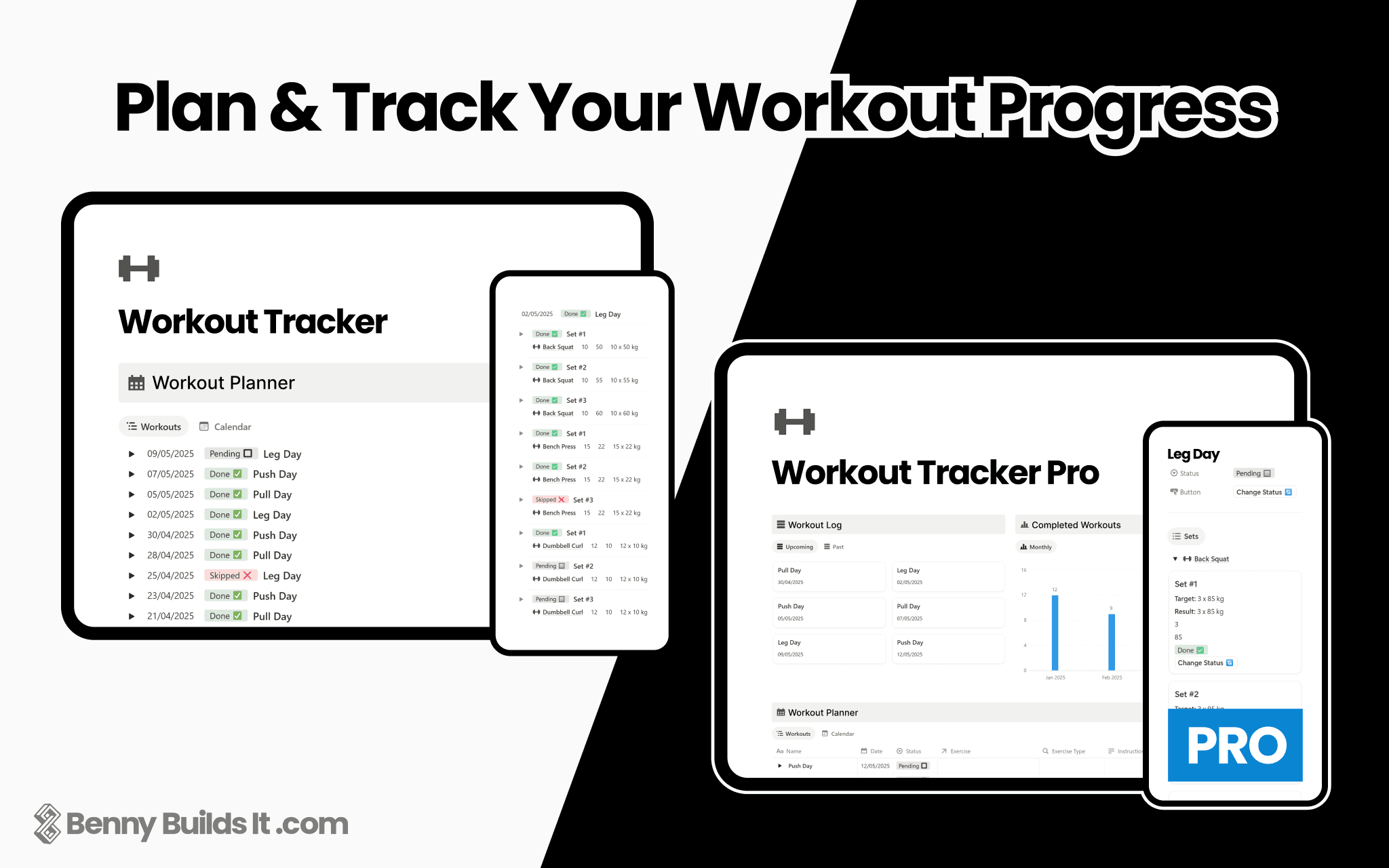
A workout journal records exercises, sets, reps, and weights used. Writing by hand helps some people remember details better. You can note how you feel after each workout too. This method encourages reflection and helps spot patterns over time. It works well for those who prefer a simple, low-tech approach.
Take Progress Photos
Photos show visible changes that numbers can miss. Take pictures regularly in good lighting and similar poses. This visual record highlights muscle growth and fat loss. It also boosts motivation by showing how far you have come. Use photos alongside other tracking methods for a complete view.
Measure Key Metrics
Measuring key metrics is essential to track fitness progress effectively. These numbers show real changes in your body and strength. They help adjust workouts and stay motivated. Focus on simple, clear data for the best results.
Track Body Measurements
Use a tape measure to record important body parts. Measure waist, hips, chest, arms, and thighs regularly. Write down the numbers and compare over time. This shows fat loss or muscle gain better than weight alone.
Monitor Weight Changes
Weigh yourself at the same time each day or week. Keep track of your weight in a journal or app. Weight can fluctuate, so look for long-term trends. Avoid daily stress over small changes.
Record Workout Performance
Note reps, sets, and weights for each exercise. Track improvements in strength, speed, or endurance. Recording progress helps set new goals and stay focused. It also proves your hard work is paying off.

Credit: www.youtube.com
Analyze Your Data
Analyzing your fitness data helps you understand your progress better. By reviewing your workout logs, you can make informed decisions about your fitness journey. It’s essential to look for meaningful insights and not just numbers. This approach will guide you in making necessary adjustments to your routine.
Identify Patterns
Look for trends in your fitness data. Are there days when you perform better? Identify which exercises show consistent improvement. Recognize how your energy levels fluctuate. Observing these patterns helps you understand your body’s rhythm. Use this information to optimize your workout schedule.
Adjust Your Routine
Make changes based on your data analysis. If certain exercises show little progress, consider modifying them. Maybe try increasing the intensity or changing the duration. Data can reveal if you’re overtraining or need more rest. Adjustments ensure your routine stays effective. Monitor how changes impact your overall progress.
Stay Motivated
Staying motivated is one of the toughest parts of tracking your fitness progress. Without motivation, even the best plans can fall apart. Finding ways to keep your energy and enthusiasm high will help you push through plateaus and setbacks.
Celebrate Small Wins
Recognizing small achievements keeps your mindset positive. Did you add an extra rep or shave a few seconds off your run? These moments are proof that your efforts are working.
Try keeping a journal or a simple checklist where you mark daily or weekly progress. This visual record shows how far you’ve come and encourages you to keep going.
How often do you pause to appreciate the little victories in your fitness journey? These celebrations don’t have to be grand—sometimes a quick self-pat on the back is enough to fuel your drive.
Find Support Systems
Having people around who understand your goals makes a big difference. Whether it’s a workout buddy, an online community, or a personal trainer, support keeps you accountable and inspired.
Share your progress with friends or family and ask for encouragement. Sometimes, simply knowing someone else is cheering you on can boost your motivation on tough days.
Have you considered joining a fitness group or challenge? Being part of a community creates a sense of belonging that can make your fitness journey feel less like a solo mission and more like a shared adventure.

Credit: www.amazon.co.uk
Credit: www.notion.com
Frequently Asked Questions
How Often Should I Track My Fitness Progress?
Track your fitness progress weekly or biweekly. Regular tracking helps identify improvements and adjust workouts. Consistency ensures motivation and better goal achievement over time.
What Are The Best Tools To Track Fitness Progress?
Use fitness apps, wearable devices, and journals. These tools monitor workouts, steps, heart rate, and body measurements. Choose what fits your lifestyle for accurate tracking.
Should I Track Weight Or Body Measurements?
Track both weight and body measurements. Weight shows overall change, while measurements reveal muscle gain or fat loss. Combining both gives a clearer fitness progress picture.
How Can I Stay Motivated While Tracking Progress?
Set realistic goals and celebrate small wins. Use progress photos and share achievements with friends. Staying positive and consistent boosts motivation during your fitness journey.
Conclusion
Tracking fitness progress helps you stay focused and motivated. Small changes show your hard work is paying off. Use simple tools like journals, apps, or photos to see your growth. Regularly checking progress helps you adjust your goals. Celebrate every success, no matter how small.
Stay patient and consistent with your efforts. Progress takes time, but every step matters. Keep moving forward, and enjoy the journey to better health.