Are you having trouble with your vehicle’s performance and suspect the throttle position sensor (TPS) might be the cause? Testing your TPS with a multimeter is easier than you think, and it can save you time and money on repairs.
In this guide, you’ll learn simple, step-by-step methods to check your TPS quickly and accurately. By the end, you’ll know exactly how to spot issues before they turn into bigger problems. Ready to take control of your car’s health? Let’s dive in and get your TPS tested like a pro.
What Is A Tps
The Throttle Position Sensor (TPS) plays a vital role in a vehicle’s engine system. It measures the position of the throttle valve. This information helps the engine control unit (ECU) adjust fuel delivery and ignition timing. Accurate TPS readings improve engine performance and fuel efficiency.
The TPS is usually a small sensor attached to the throttle body. It detects how far the throttle plate opens. This data changes as the driver presses the gas pedal. The sensor sends a voltage signal to the ECU based on the throttle position.
How A Tps Works
The TPS works like a variable resistor. It changes resistance as the throttle moves. This change alters the voltage sent to the ECU. The ECU reads this voltage to know the throttle angle.
When the throttle is closed, the voltage is low. When fully open, the voltage is higher. The ECU uses this info to adjust fuel and air mix for the engine.
Types Of Tps Sensors
- Potentiometer type – Most common, uses a sliding contact.
- Non-contact type – Uses magnetic or Hall effect sensors.
- Digital type – Provides exact throttle position data.
Each type sends signals differently but serves the same purpose.
Why Tps Is Important
The TPS affects acceleration, idling, and fuel economy. A faulty TPS can cause rough idling or poor fuel mileage. It may also trigger the check engine light.
Testing the TPS ensures it works correctly. A multimeter helps check its voltage and resistance. This helps find problems before they cause major engine issues.
Credit: www.crvownersclub.com
Tools Needed
Testing the Throttle Position Sensor (TPS) requires specific tools to get accurate results. Having the right equipment makes the process easier and safer. This section lists the essential tools needed for testing TPS with a multimeter.
Digital Multimeter
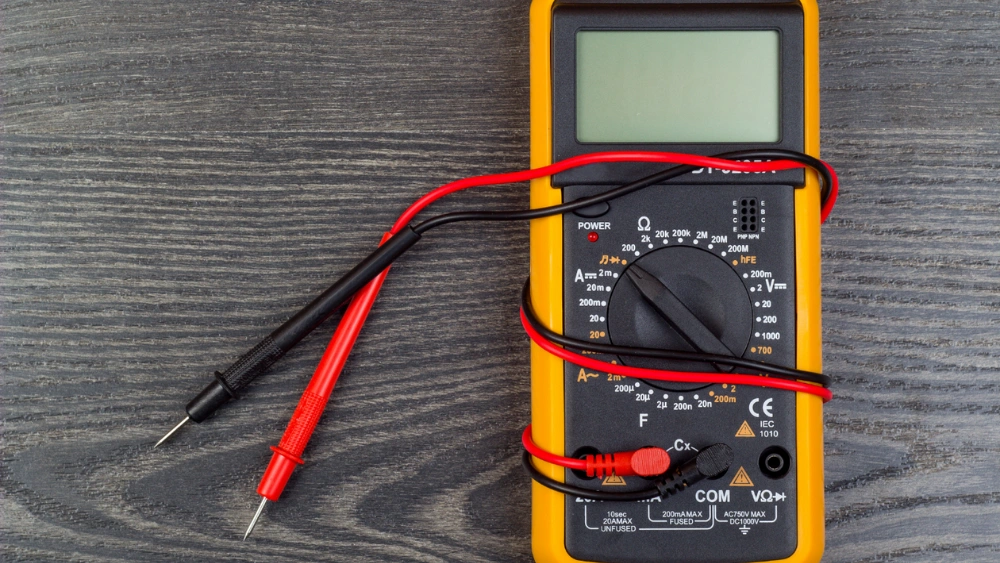
A digital multimeter is key for measuring voltage, resistance, and continuity. It shows precise readings on a clear display. Choose a multimeter with good accuracy and easy-to-read numbers.
Backprobe Pins Or Thin Wire
Backprobe pins or thin wires help connect the multimeter probes to the TPS terminals. They allow testing without damaging the sensor connectors. Use flexible and insulated wires for safety.
Vehicle Repair Manual
The repair manual provides TPS wiring diagrams and voltage specifications. It guides which sensor wires to test. Manuals often include step-by-step testing instructions.
Screwdriver Or Socket Set
A screwdriver or socket set helps access and remove the TPS if needed. Some sensors are held by screws or bolts. Having the right tools prevents damage during removal.
Safety Gloves
Wearing safety gloves protects your hands from sharp edges and electrical contacts. Gloves improve grip and reduce the risk of injury. Choose gloves suitable for automotive work.
Locate The Tps
The Throttle Position Sensor (TPS) plays a key role in your vehicle’s engine control. Finding it correctly is the first step to test it using a multimeter. The TPS is usually attached to the throttle body, near the air intake. This sensor tracks the position of the throttle valve and sends this info to the engine control unit.
Locating the TPS can differ depending on your vehicle’s make and model. Knowing where to look saves time and prevents confusion. Here’s how to find it quickly and safely.
Check The Vehicle’s Manual
The owner’s manual or repair guide often shows the exact TPS location. It may have diagrams or pictures of the engine parts. Use this resource to get a clear idea of where the sensor sits.
Identify The Throttle Body
Open the hood and find the throttle body. It is usually near the air filter and connected to the intake manifold. The TPS attaches directly to the throttle body, usually on the side or top.
Look For The Sensor Shape And Connector
The TPS is small and round or rectangular. It has an electrical connector with wires. Look for a plastic part with 3 or more wires plugged into it. This is often a clear sign of the TPS.
Use Online Resources Or Videos
Search online for your car model plus “TPS location.” Many websites and videos show the exact spot. Visual aids make it easier to recognize the sensor in your engine bay.
Handle With Care
Once you find the TPS, do not touch it roughly. It’s a sensitive part that affects engine performance. Prepare to test it gently with your multimeter following proper safety steps.

Credit: my.prostreetonline.com
Set Multimeter For Testing
Setting your multimeter correctly is essential before testing the Throttle Position Sensor (TPS). The right settings ensure accurate readings and prevent damage to the device. This section explains how to prepare your multimeter for TPS testing.
Choose The Correct Measurement Mode
Turn the multimeter dial to the voltage measurement mode. Select DC voltage because the TPS sends a DC signal. The typical range for TPS voltage is 0 to 5 volts. Set the multimeter to a range slightly above 5 volts if it is not auto-ranging.
Prepare The Multimeter Probes
Use the red probe for the positive terminal and the black probe for the negative terminal. Check the probe tips for cleanliness and good condition. Proper probe contact is critical for reliable readings.
Calibrate The Multimeter If Needed
Some multimeters require calibration before use. Follow the manufacturer’s instructions to calibrate. This step improves the accuracy of your voltage measurements.
Check Battery And Device Settings
Ensure the multimeter battery is fully charged. Replace weak batteries to avoid false readings. Confirm all settings are correct before starting the TPS test.
Test Tps Voltage Signal
Testing the Throttle Position Sensor (TPS) voltage signal is crucial to ensure your vehicle is running smoothly. The TPS is a vital component in the engine management system, directly affecting fuel efficiency and overall performance. Understanding how to test its voltage signal can help you diagnose issues before they become major problems. With a multimeter, you can easily check the voltage at different throttle positions. Let’s dive into the process!
Connect Multimeter To Tps
First, ensure your vehicle’s ignition is turned off to avoid any electrical mishaps. Locate the TPS, typically found on the throttle body of your engine. You will see a connector with a few wires—it’s usually a three-wire setup. Set your multimeter to the DC voltage setting and connect the black lead to a good ground point on the vehicle. This could be the negative battery terminal or any unpainted metal surface nearby. Attach the red lead to the signal wire of the TPS. You might need to back-probe the connector to make contact without damaging it.
Check Voltage At Closed Throttle
With the multimeter connected, turn the ignition key to the ‘on’ position without starting the engine. At a closed throttle, the TPS should read a low voltage, typically between 0.2 to 1.0 volts. This indicates the throttle is fully closed. If your reading is outside this range, it might suggest a faulty TPS or an issue with its wiring. This low voltage is essential for proper idling and fuel management.
Check Voltage At Open Throttle
Now, slowly press the accelerator pedal to open the throttle completely. The voltage should increase steadily as the throttle opens, reaching around 4.0 to 5.0 volts at full throttle. This gradual increase is crucial for the ECU to correctly interpret the throttle position for optimal engine performance. If the voltage doesn’t change smoothly or falls short of expected values, it could mean the TPS is not functioning correctly, potentially impacting acceleration and power output.
Have you ever wondered how a seemingly simple sensor can affect your driving experience? By regularly checking the TPS voltage signal, you not only ensure your vehicle runs efficiently but also prolong its lifespan. So, grab your multimeter and give your car the attention it deserves!

Credit: www.facebook.com
Test Tps Resistance
Testing the resistance of your Throttle Position Sensor (TPS) with a multimeter is a straightforward yet crucial task. It helps you identify if the sensor is functioning correctly or if it’s causing issues like rough idling or poor acceleration. Understanding the resistance values can save you from unnecessary replacements and guide you in tuning your vehicle’s performance accurately.
Remove Tps Connector
Start by locating the TPS on your throttle body. Before measuring resistance, you must disconnect the TPS connector carefully to avoid damaging the wires.
Use a small screwdriver or your fingers to gently unplug the connector. If you feel resistance, double-check for any locking tabs that might be holding it in place. Handling this step with care ensures you get accurate readings and prevent connector damage.
Measure Resistance Across Terminals
Set your multimeter to the ohms (Ω) setting to measure resistance. Identify the terminals on the TPS – usually, there are three: a ground, a reference voltage, and a signal terminal.
Place the multimeter probes across the signal terminal and the ground terminal. Slowly move the throttle shaft by hand and observe the resistance change on the multimeter. The resistance should change smoothly without any sudden jumps or drops.
Are you seeing a steady increase or decrease in resistance? If the reading stays constant or fluctuates erratically, your TPS might be faulty. Recording these values can help compare against manufacturer specifications, which are often found in your vehicle’s repair manual.
Interpret Test Results
Testing the Throttle Position Sensor (TPS) with a multimeter can reveal critical insights. Understanding the test results is crucial. It helps determine the health of the TPS. Proper interpretation ensures accurate diagnosis. This section will guide you through interpreting test results effectively.
Normal Voltage And Resistance Range
A healthy TPS displays specific voltage and resistance ranges. Voltage typically ranges between 0.5 to 5 volts. This range varies with throttle position. Resistance should fall within manufacturer specifications. Consistent readings indicate normal TPS function. Deviations might suggest issues or wear.
Signs Of A Faulty Tps
A faulty TPS can cause various engine problems. Look for erratic voltage readings. These often indicate sensor malfunction. Resistance outside normal ranges is another sign. The engine may stall or idle poorly. Acceleration might become unpredictable. These symptoms point to potential TPS failure.
Tips For Accurate Testing
Accurate testing of the Throttle Position Sensor (TPS) with a multimeter can save you time and prevent unnecessary repairs. Small mistakes in setup or reading can lead to wrong conclusions. By focusing on precise techniques and careful observation, you can ensure reliable results every time.
Use A Quality Multimeter And Check Its Calibration
Your multimeter’s accuracy depends on its quality and calibration. A cheap or poorly calibrated tool might give false readings that mislead your diagnosis. Before testing, verify your multimeter’s calibration with a known voltage source or a reference device.
Investing in a digital multimeter with a clear display helps you avoid misreading numbers. Have you ever misread a reading due to a dim screen or fluctuating needle? Avoid that by picking a device you trust.
Ensure Proper Connection To The Tps Terminals
Good contact with the TPS terminals is crucial. Loose or corroded connections can cause unstable or incorrect voltage readings. Clean the sensor terminals gently with electrical contact cleaner if needed.
Use the correct probes and hold them steadily during measurement. If you wiggle the probes, the voltage can jump around, making it harder to interpret the data. Try securing the probes in place or ask someone to help hold them steady.
Test The Sensor At Different Throttle Positions
Testing only at closed throttle won’t give you the full picture. The TPS voltage should increase smoothly as you open the throttle. Slowly move the throttle from closed to wide open while observing the multimeter.
Watch for any sudden jumps or drops in voltage. If the reading is inconsistent, it may indicate a faulty sensor. Have you noticed irregular voltage changes while driving? This test helps confirm those symptoms.
Perform Tests With The Engine Off And On
Start by testing the TPS with the engine off to get baseline readings. Then, run the engine and see how the voltage behaves under operating conditions. This two-step approach can reveal issues that only appear during engine load.
Keep in mind that some sensors behave differently when the engine warms up. Don’t just rely on cold engine tests; observe how the TPS performs after a few minutes of running.
Keep Your Hands Steady And Avoid Electrical Interference
Electrical noise from other components can affect your multimeter readings. Try to test in a location away from ignition coils, alternators, or other high-voltage parts. Use shielded probes if possible.
Hold your hands steady and avoid touching other wires or metal parts while measuring. Even slight movements or interference can cause fluctuating readings that confuse your diagnosis.
Frequently Asked Questions
How Do You Test A Tps With A Multimeter?
To test a TPS, connect the multimeter’s positive lead to the TPS signal wire. Ground the negative lead. Slowly open the throttle and observe voltage changes. Voltage should rise smoothly from about 0. 5V at closed throttle to around 4.
5V at wide-open throttle.
What Voltage Should A Tps Show When Tested?
A good TPS voltage ranges from 0. 5V at closed throttle to 4. 5V at wide-open throttle. Voltage should increase smoothly without sudden jumps or drops when the throttle moves. Irregular readings indicate a faulty TPS that may need replacement.
Can A Multimeter Diagnose Tps Problems Accurately?
Yes, a multimeter can diagnose TPS issues by measuring voltage output. It helps detect voltage irregularities and sensor failures. However, additional tests may be needed for confirmation. A proper reading ensures the TPS functions correctly for engine performance.
Why Is Tps Voltage Important For Engine Performance?
TPS voltage signals the throttle position to the engine control unit (ECU). Accurate voltage ensures proper fuel and air mixture. Incorrect voltage causes poor idling, stalling, or reduced fuel efficiency. Testing TPS voltage helps maintain optimal engine performance.
Conclusion
Testing a TPS with a multimeter is simple and clear. Follow the steps carefully for accurate results. Check the voltage readings and compare them with the specs. This helps find any problems in the sensor quickly. Regular testing keeps your vehicle running smoothly.
Practice makes the process easier and faster. Keep your multimeter ready for quick checks anytime. Understanding this skill saves time and money on repairs. Give it a try and see the difference yourself.