
You’ve just invested in a Nikon camera, and now it’s time to keep it safe and ready for your next shot. But how exactly do you put your camera in your Nikon bag without risking damage?
If you’ve ever worried about scratches, bumps, or loose lenses, you’re not alone. Knowing the right way to pack your camera can protect your gear and give you peace of mind. In this guide, you’ll discover simple, effective steps to secure your Nikon camera perfectly every time.
Keep reading to ensure your camera stays safe and ready for action.
Choosing The Right Nikon Bag
Choosing the right Nikon bag is more than just picking a stylish accessory. It’s about protecting your valuable camera gear and making sure everything fits comfortably and securely. Your choice affects how easily you carry your equipment and how ready you are for any photo opportunity.
Types Of Nikon Bags
Nikon offers various bag types designed for different needs and shooting styles. Backpack-style bags distribute weight evenly, making them great for long shoots or travel. Shoulder bags provide quick access to your camera and lenses, ideal for street photographers. Sling bags strike a balance by allowing you to swing the bag around to your front for fast gear changes.
Think about where you’ll use your bag most. Are you hiking in rugged terrain or walking through a busy city? Your environment plays a big role in the type of bag that suits you best.
Features To Look For
Protection is key when choosing a Nikon bag. Look for thick, padded compartments to safeguard your camera body and lenses. Water-resistant materials can save your gear during unexpected weather changes. Adjustable dividers inside the bag help you customize the space for your specific equipment.
Comfort features like padded straps and breathable back panels make a big difference on long days. Some bags also offer extra pockets for memory cards, batteries, and personal items, keeping everything organized and at hand.
Size And Capacity Considerations
Size matters when deciding how much gear you want to carry. A compact bag fits a camera and one or two lenses, perfect for light travel or casual shooting. Larger bags can hold multiple lenses, flashes, and even a tripod, but they add bulk and weight.
Ask yourself, how much equipment do you really need to carry regularly? Overpacking can slow you down, while underestimating your needs might leave you unprepared. Choose a bag that fits your current gear but leaves some room for future additions.
Preparing Your Camera
Preparing your camera before placing it in your Nikon bag is crucial to keep it safe and ready for your next shoot. Taking a few minutes to clean and organize your gear can prevent damage and frustration later. What simple steps can you take right now to protect your investment?
Cleaning The Camera Body And Lens
Dust and smudges can affect your camera’s performance and image quality. Use a soft microfiber cloth to gently wipe the camera body and lens surface. Avoid harsh chemicals; a blower brush can remove stubborn dust without scratching.
I once skipped this step and found dust spots on my photos—something easily avoidable by a quick clean. Keeping your camera spotless not only protects the lens but also extends its life.
Removing Accessories
Detach any external accessories like flash units, straps, or battery grips before packing. These parts can get caught or cause pressure points inside your bag, leading to damage.
Storing accessories separately in dedicated compartments keeps everything organized and prevents accidental scratches. Have you ever found a tangled strap or a broken flash because it wasn’t removed? Avoid that hassle by prepping your gear first.
Securing The Lens Cap
Always place the lens cap securely on your lens to shield it from dust and scratches. A loose or missing cap can leave your lens vulnerable, which is a costly mistake.
If your lens cap tends to slip off, try using a small piece of tape or a lens cap keeper to hold it in place. How often do you check your lens cap before packing? Making it a habit saves you from unexpected lens damage.
Packing The Camera Safely
Place the camera gently inside the Nikon bag, ensuring padding surrounds it for protection. Secure compartments prevent movement and scratches during travel. Keep lenses and accessories in separate padded sections to avoid damage.
Packing your camera safely is crucial to ensure it remains in top condition, especially when you’re on the move. Whether you’re an amateur photographer or a seasoned pro, knowing how to pack your Nikon camera properly can prevent damage and prolong its lifespan. Let’s delve into some practical tips for storing your camera and gear securely.Using Protective Padding
Your Nikon bag likely comes with built-in padding designed to cushion your camera. These pads play a significant role in protecting your equipment from accidental knocks and drops. If your bag doesn’t have sufficient padding, consider adding extra layers like foam inserts or camera wraps. A friend of mine once swore by using old yoga mats as DIY padding, and it worked wonders for him. Have you ever thought about repurposing items you already have?Positioning The Camera Inside
Positioning your camera correctly is as important as the padding. Place your camera in the center of the bag where it’s less likely to encounter impact. Make sure the lens faces upward to avoid pressure on it. A fellow photographer once shared his trick of using dividers to create a snug spot for the camera, ensuring it doesn’t shift around. What’s your go-to method for keeping your camera steady?Storing Extra Lenses And Gear
Extra lenses and gear need their own secure space. Use the dedicated compartments in your Nikon bag to store them, keeping each item separate to avoid scratches. If your bag lacks enough compartments, padded lens cases are an excellent option. One might consider using small pouches for memory cards and batteries. It’s fascinating how organizing gear can make access easier and faster. How do you arrange your extra gear for quick access during shoots? Packing your camera safely is not just about protection; it’s about efficiency and ease of use. By following these tips, you can focus more on capturing those perfect shots, knowing your gear is secure.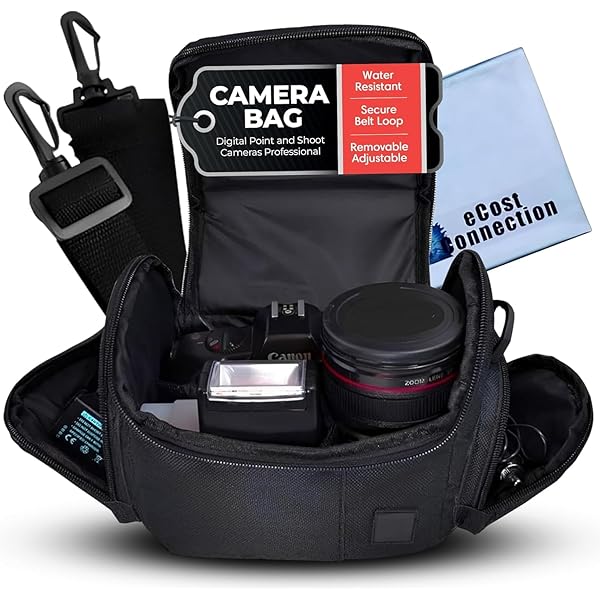
Credit: www.amazon.com
Securing The Bag
Securing your Nikon bag properly protects your camera from damage and theft. It keeps your gear safe during travel and daily use. A secure bag also prevents dust and moisture from reaching your equipment. Follow these tips to lock your bag effectively.
Zipping And Closing Mechanisms
Always close all zippers tightly after placing your camera inside. Use the main zipper and any smaller compartments for better protection. Check the zipper tracks for smooth movement to avoid damage. Some bags have double zippers that can be locked together for extra security.
Using Straps And Clips
Fasten all internal straps around your camera to hold it firmly in place. External clips and buckles add another layer of security. Adjust the straps to avoid camera movement inside the bag. Tighten clips so the bag stays closed during transport.
Additional Security Tips
- Use a small lock on zipper pulls if your bag has lockable zippers.
- Consider a rain cover to protect from water damage.
- Store the bag in a secure place when not in use.
- Keep the bag close to your body to deter thieves.
Maintaining Your Camera Bag
Maintaining your camera bag helps protect your gear and keeps it lasting longer. A clean, well-kept bag ensures your camera stays safe and ready for every shoot. Simple care routines can prevent damage and improve the bag’s performance.
Cleaning And Care
Empty the bag before cleaning. Use a soft brush to remove dust and dirt. Wipe the inside and outside with a damp cloth. Avoid harsh chemicals that may damage the fabric. Let the bag air dry completely before use.
Regular Inspections
Check the bag often for signs of wear and tear. Look at zippers, straps, and seams carefully. Catch small problems early to avoid bigger damage. Test the padding to ensure it still protects your camera well.
Replacing Worn Parts
Replace broken zippers or buckles quickly. Fix or swap out torn straps for safety. Use parts designed for your specific bag model. Keeping all parts in good shape maintains the bag’s functionality and your camera’s safety.

Credit: www.facebook.com

Credit: cute.camera
Frequently Asked Questions
How Do I Safely Place A Camera In A Nikon Bag?
To safely place a camera in a Nikon bag, use padded compartments. Remove the lens cap and secure straps to avoid movement. Keep accessories in separate pockets to prevent scratches.
What Is The Best Way To Organize Lenses In A Nikon Bag?
Organize lenses by size and usage frequency. Use padded dividers to separate lenses. Store heavier lenses at the bottom for stability and easy access.
Can I Carry A Tripod Inside A Nikon Camera Bag?
Most Nikon camera bags have external straps or compartments for tripods. Use these features to carry a tripod securely without damaging your camera or lenses.
How To Protect My Camera From Moisture In A Nikon Bag?
Use silica gel packs inside the bag to absorb moisture. Choose bags with water-resistant materials. Always close the bag securely after use to keep moisture out.
Conclusion
Packing your Nikon camera properly keeps it safe and ready to use. Use the bag’s compartments to protect your gear well. Always secure straps and lenses to avoid damage. Keep your camera clean before storing it away. Regular practice makes packing quicker and easier over time.
Taking care of your camera bag helps your equipment last longer. Simple steps lead to better protection for your Nikon. Now, you can carry your camera confidently wherever you go.