
You’ve invested in a Nikon camera, and now it’s time to keep it safe on the go. But how do you pack your camera in a bag without risking damage?
If you’re worried about scratches, bumps, or accidental drops, you’re not alone. Packing your Nikon camera the right way can protect your gear and give you peace of mind. In this guide, you’ll discover simple, effective tips to pack your camera securely and stay ready for every shot.
Keep reading to learn how to carry your Nikon safely and confidently wherever you go.
Choosing The Right Camera Bag
Choosing the right camera bag is more important than many photographers realize. The right bag not only protects your Nikon camera but also makes your shooting experience smoother. Think about how often you move around with your gear and what kind of protection and convenience you need.
Types Of Camera Bags
There are several types of camera bags, each designed for different needs and styles of photography.
- Backpacks:Great for carrying multiple lenses and accessories. They distribute weight evenly, making long shoots easier.
- Messenger Bags:Offer quick side access, perfect if you need to grab your camera fast.
- Shoulder Bags:Lightweight and stylish but may cause shoulder strain if overloaded.
- Hard Cases:Provide maximum protection, especially for travel, but can be bulky.
Which type fits your daily routine? If you often hike or travel, a backpack might serve you best. For street photography, a messenger bag could be more practical.
Features To Look For
Your camera bag should offer more than just space. Look for padded compartments to shield your Nikon from bumps and drops.
- Adjustable dividers let you customize the interior for your specific gear.
- Water-resistant materials protect your camera in sudden rain.
- Easy access points save time when you need to capture a quick shot.
- Extra pockets for batteries, memory cards, and personal items keep you organized.
Have you ever missed a shot because your bag was hard to open? Choosing a bag with smart access can make all the difference.
Size And Capacity
Think carefully about how much gear you really carry. A bag that’s too big encourages overpacking and adds unnecessary weight.
Conversely, a bag that’s too small will force you to leave essential items behind or risk damaging your equipment.
Measure your Nikon camera body, lenses, and accessories before buying. Make sure the bag can comfortably fit everything with room to spare for added protection.
Ask yourself: Do you usually shoot with one lens or carry multiple? Do you need space for a tripod or laptop? The answers will guide your size choice.
Preparing Your Nikon Camera
Preparing your Nikon camera for packing is essential to protect it from damage. Taking a few simple steps helps keep your gear safe and ready for use. Proper preparation also extends the life of your camera and lenses.
Start by making sure your camera and lens are clean and free of dust. Removing any accessories prevents scratches or accidental damage. Secure the lens cap firmly to protect the glass surface during transport.
Cleaning The Camera And Lens
Use a soft brush or blower to remove dust from the camera body. Wipe the lens gently with a microfiber cloth. Avoid using harsh chemicals or rough materials. Clean both front and rear lens elements carefully. Clear lenses improve photo quality and keep the camera safe.
Removing Accessories
Detach any attached accessories like external flashes or battery grips. Remove memory cards and batteries to avoid damage or loss. Store these accessories in separate compartments or pouches. This reduces pressure on your camera and prevents accidental activation during transport.
Securing The Lens Cap
Place the lens cap firmly over the lens front element. Check it fits snugly without wobbling. A secure lens cap protects the lens from scratches and dust. If your lens has a rear cap, attach it as well before packing. This adds extra protection to the lens glass.
Packing Camera Body And Lenses
Protect the Nikon camera body by wrapping it in a soft cloth before placing it in the bag. Store lenses separately in padded compartments to avoid scratches and bumps. Arrange gear securely to prevent movement during travel.
Packing your Nikon camera and its accessories securely is crucial to ensure they remain safe and functional during your adventures. Whether you’re heading out for a landscape shoot or traveling abroad, knowing how to efficiently pack your camera body and lenses can make all the difference. Let’s dive into some practical tips that will help you keep your gear protected and organized.Using Protective Cases
Investing in quality protective cases for your camera body and lenses is a smart move. These cases are designed to absorb shocks and prevent scratches. Imagine dropping your bag and finding your camera unharmed because it’s safely nestled in a padded case. Choose cases that are snug yet offer enough padding to cushion your gear. A well-fitted case means less movement and less risk of damage.Positioning For Stability
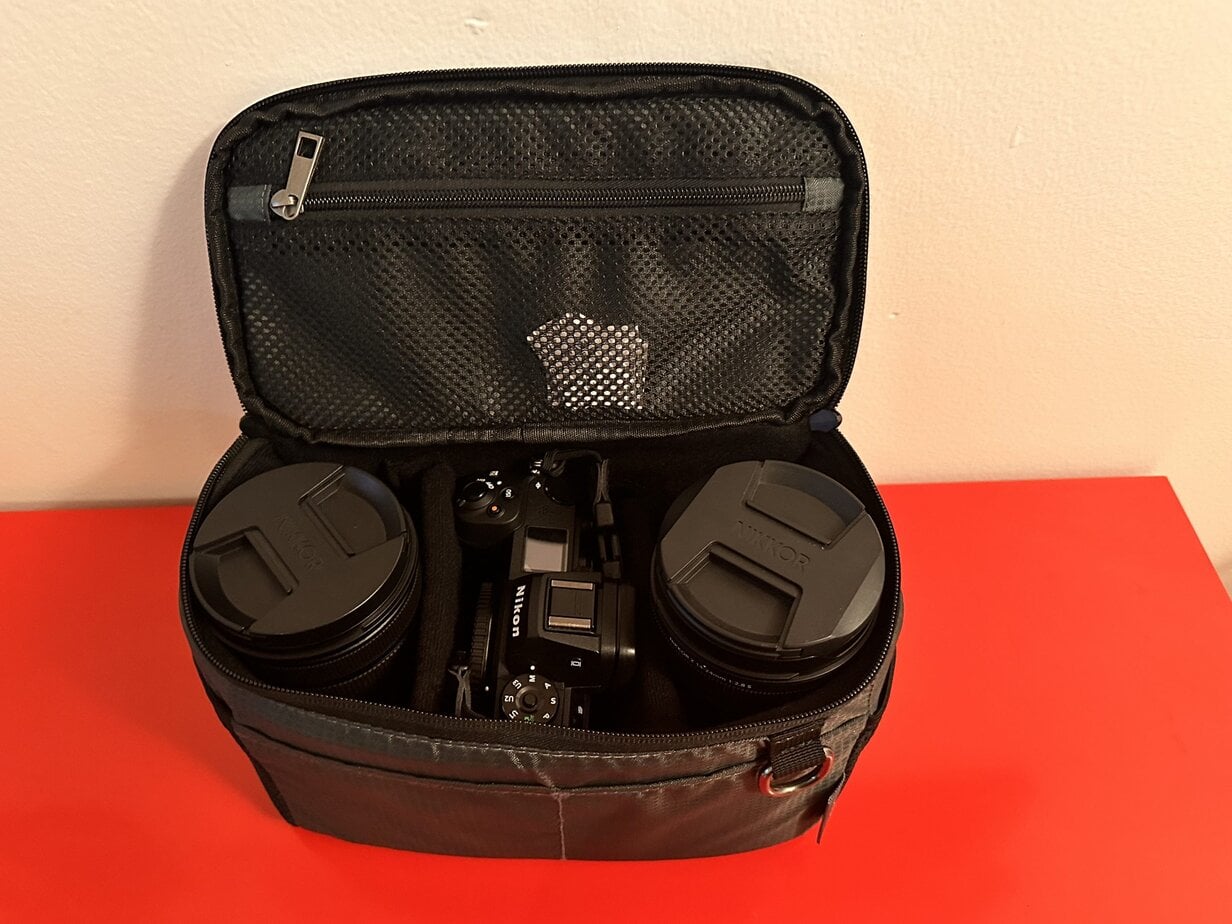
Proper positioning within your bag can prevent unnecessary movement. Place the camera body in the center of your bag, surrounded by lenses and other gear. This central positioning helps balance the weight and minimizes shifts during transport. Have you ever felt your bag sway awkwardly? It’s likely because your gear isn’t evenly distributed. Ensure your camera is snugly secured to avoid such mishaps.Separating Lenses And Body
Separating the camera body from the lenses is a strategy that can save you from costly repairs. Packing them together may lead to accidental bumps and scratches. Use lens pouches or individual compartments to store each lens separately. This not only protects them but also makes it easier to access them quickly during shoots. Consider how much easier it is to find the right lens when they’re organized rather than jumbled together. Wouldn’t you want to ensure your lenses are always ready for action? Packing your camera gear thoughtfully ensures you’re prepared to capture moments without the worry of equipment damage. Are you ready to optimize your packing strategy for your next photography adventure?
Credit: www.amazon.com
Organizing Additional Gear
Organizing additional gear for your Nikon camera is just as important as packing the camera itself. These smaller items can easily get lost or damaged if not stored properly. Keeping your gear organized ensures quick access and protects your equipment during travel.
Memory Cards And Batteries
Always carry extra memory cards and batteries in a dedicated compartment or small case. This prevents them from scratching each other or getting lost at the bottom of your bag.
Use labeled cases for memory cards to know exactly which ones are empty or full. For batteries, keep them in a padded pouch to avoid accidental contact with metal objects that could drain them.
Chargers And Cables
Chargers and cables can tangle quickly if thrown in loose. Use a cable organizer or small zippered pouch to keep them neat and ready to use.
Consider packing a multi-port USB charger if you carry multiple devices. This saves space and reduces the number of chargers you need to bring.
Filters And Cleaning Kits
Filters need protection from dust and scratches, so store them in hard cases or filter wallets. This keeps them clean and ready for your next shoot.
Always pack a basic cleaning kit with microfiber cloths, lens cleaning solution, and a blower. This helps you maintain clear lenses even when conditions get tough.
Ensuring Impact Protection
Protecting your Nikon camera from impacts while packing is crucial to keep it safe and functional. A sudden jolt or drop can damage delicate parts, costing you both money and memories. Focusing on impact protection means your gear stays secure no matter where your adventures take you.
Using Padded Dividers
Padded dividers create individual compartments for your camera and lenses inside your bag. These soft barriers absorb shocks and prevent your equipment from bumping into each other. Choose dividers that fit snugly and can be adjusted to hold your gear tightly in place.
Think about how a camera moves inside a bag when you’re walking or biking. Without dividers, your Nikon can slide around freely, increasing the risk of damage. A well-padded divider keeps your gear stable and ready to shoot at any moment.
Adding Extra Cushioning
Sometimes padding from dividers isn’t enough, especially if you carry extra lenses or accessories. Adding extra cushioning like foam inserts or bubble wrap can give your camera an added layer of protection. Place these materials around the most fragile parts, such as the lens or LCD screen.
Consider stuffing small gaps with soft cloths or microfiber towels to prevent shifting. This simple step can make a big difference in shock absorption, especially during rough travel. Have you ever felt the difference between a tightly packed bag and one with loose spaces? Your gear will thank you.
Avoiding Loose Items
Loose items inside your bag can cause scratches or dents to your Nikon camera. Small accessories like memory cards, batteries, or lens caps should be stored in separate pockets or cases. This keeps them from rattling around and damaging your main gear.
Imagine your camera rubbing against a hard object every time you move; that’s a risk you don’t want. Use zippered compartments or small pouches to organize your equipment neatly. How often do you check your bag’s interior for loose items before heading out? Making it a habit can save your camera from unnecessary wear and tear.
Credit: mintatravels.com
Securing Your Bag During Travel
Securing your Nikon camera bag during travel is crucial to protect your valuable gear. A well-secured bag prevents theft, damage, and loss. Taking simple safety steps ensures peace of mind while on the move.
Using Locks And Zippers
Use strong, durable locks on your bag’s zippers. Choose locks approved for travel security. Double-check that all zippers fully close and lock. Locks deter thieves and keep your camera safe.
Keeping Bag Accessible
Keep your bag close and within reach at all times. Avoid placing it in hard-to-see places. Use straps that allow easy carrying and quick access. This reduces the risk of theft and loss.
Handling In Transit
Handle your bag carefully during travel. Avoid tossing or dropping it to protect delicate camera parts. Place it securely in overhead bins or under seats. Use padded compartments to cushion your Nikon gear.
Tips For Traveling By Air
Traveling by air with your Nikon camera requires careful packing to keep your gear safe and accessible. Your camera is sensitive equipment, so understanding airport rules and environmental factors can make a big difference. Let’s look at some practical tips that can help you protect your investment and enjoy stress-free travel.
Carry-on Vs Checked Luggage
Always choose carry-on luggage for your Nikon camera and accessories. Checked bags face rough handling and higher risk of theft or damage. Plus, you can control the environment around your camera better in the cabin.
Make sure your camera bag fits airline size limits for carry-ons. If you have extra lenses or a tripod, consider a dedicated camera backpack designed for easy access and protection. Have you ever lost a lens in checked baggage? Avoid that risk by carrying everything with you.
Airport Security Considerations
Airport security can be tricky with camera gear. Keep your camera bag organized so you can quickly remove your camera for scanning without unpacking everything. This speeds up the process and reduces stress.
Use padded dividers inside your bag to keep lenses and body separate. This prevents scratches and makes it easier to show security staff your gear if asked. Also, ask if you can keep your camera in the bag during the scan—it depends on the airport, but some allow it if the bag is X-rayed intact.
Protecting Against Pressure Changes
Cabin pressure changes can affect your camera, especially if you’re carrying extra batteries or sensitive lenses. Store batteries in a cool, dry place and avoid sealing your camera bag airtight. Allowing slight airflow prevents condensation build-up inside the bag.
Use silica gel packets inside your camera bag to absorb moisture. This simple trick keeps your gear dry during long flights. Have you noticed fogging inside your lens after a flight? This step helps avoid that issue and keeps your shots crystal clear.

Credit: cute.camera
Maintaining Your Equipment Post-travel
After a trip, your Nikon camera needs more than just a quick unpacking. Proper care helps keep it in top shape and ready for your next adventure. Maintaining your equipment post-travel ensures longevity and prevents small issues from becoming costly repairs.
Inspecting For Damage
Start by carefully checking your camera and lenses for any signs of damage. Look for scratches, dents, or loose parts that might have occurred during transit.
Don’t forget to test the buttons, dials, and lens mount to ensure everything functions smoothly. Catching problems early can save you from bigger headaches later.
Cleaning After Use
Dirt, dust, and moisture can build up during travel, especially if you’ve been outdoors. Use a soft brush or blower to remove particles from the lens and sensor area gently.
Wipe the camera body with a microfiber cloth and avoid harsh chemicals that could damage the finish. If you notice fingerprints or smudges on the lens, lens cleaning solution and a microfiber cloth work best.
Proper Storage Techniques
Store your Nikon camera in a cool, dry place away from direct sunlight and extreme temperatures. Consider a camera bag with padded compartments or a dedicated storage box to protect it from dust and knocks.
Remove batteries if you don’t plan to use the camera for a while to prevent leakage. Think about using silica gel packs to keep moisture at bay inside your storage area.
Frequently Asked Questions
How Do I Protect My Nikon Camera During Travel?
Use a padded camera bag with adjustable dividers. Wrap the camera in a soft cloth. Remove the lens when packing for extra safety.
What Is The Best Way To Organize Nikon Accessories?
Store lenses, batteries, and memory cards in separate compartments. Use small pouches or cases to avoid scratches and damage.
Should I Remove The Lens Before Packing The Camera?
Yes, removing the lens reduces pressure on the mount. Pack the lens separately in a padded compartment to prevent damage.
How Can I Prevent Moisture Damage To My Nikon Camera?
Use silica gel packets inside the camera bag. Avoid packing the camera in damp or humid environments to prevent moisture buildup.
Conclusion
Packing your Nikon camera properly keeps it safe and ready to use. Use padded bags or cases to protect your gear. Keep lenses and accessories organized to avoid damage. Always secure straps and close compartments tightly. Regularly check your bag before trips to ensure nothing is missing.
A well-packed camera bag makes shooting easier and more enjoyable. Take time to pack carefully—it pays off in the field. Your Nikon deserves the best care for every adventure.