
Packing your DSLR camera bag might seem simple, but doing it the right way can make all the difference. Imagine reaching your shooting spot and finding your gear tangled, damaged, or missing.
You don’t want that. You want quick access, protection, and peace of mind. In this guide, you’ll learn exactly how to pack your DSLR camera bag so every piece of equipment stays safe, organized, and ready to capture your best shots.
Keep reading, and you’ll never worry about your camera gear again.
Choosing The Right Camera Bag
Choosing the right camera bag is more than just picking a stylish accessory. It’s about protecting your valuable DSLR gear and making your photography experience smoother. The right bag fits your equipment, matches your shooting style, and stands up to the conditions you face.
Types Of Camera Bags
Camera bags come in different shapes and styles designed for various needs. Sling bags offer quick access and are great for light loads. Backpack-style bags are perfect if you carry multiple lenses and accessories, distributing weight evenly on your shoulders.
Hard cases provide maximum protection, ideal if you travel frequently or shoot in tough environments. Think about how you move during shoots—do you hike, walk through crowded streets, or sit in a studio? Your choice should match your lifestyle and shooting habits.
Size And Capacity
Size matters when it comes to camera bags. A bag too small will cramp your gear, making it hard to pack and unpack quickly. Too large, and you’ll be carrying unnecessary weight, which drains your energy on long shoots.
Estimate how many lenses, bodies, and accessories you usually carry. Do you need space for a tripod or a laptop? Choose a bag with compartments that keep everything organized and easy to reach. Remember, a well-packed bag saves time and prevents damage.
Material And Durability
Durability is key to protecting your DSLR investment. Look for bags made from water-resistant or waterproof materials to shield your gear from unexpected weather. High-quality zippers and reinforced stitching add to the bag’s lifespan.
Think about your environment—do you shoot outdoors often? A bag with rugged, abrasion-resistant fabric will serve you better. I once learned this the hard way when a flimsy bag tore during a rainy shoot, forcing me to improvise protection for my gear.

Credit: www.tamrac.com
Essential Camera Gear To Pack
Packing your DSLR camera bag can make or break your shooting experience. Choosing the right gear ensures you are ready for any moment, whether it’s a sudden sunset or a fast-moving subject. Knowing what essentials to bring saves you from scrambling mid-shoot and helps you focus on capturing stunning images.
Camera Body And Lenses
Your camera body is the heart of your setup. Make sure it’s cleaned and functioning well before you pack it.
Choose lenses based on the type of photography you plan to shoot. A versatile zoom lens covers most situations, but adding a prime lens can boost image quality and low-light performance.
Remember, carrying extra lenses means more weight, so pack only what you will actually use.
Memory Cards And Batteries
Nothing is worse than running out of storage or power in the middle of a shoot. Pack multiple memory cards with enough capacity to avoid deleting files on the go.
Bring fully charged spare batteries and a charger if possible. Cold weather or prolonged shooting can drain batteries faster than you expect.
Organize your cards and batteries in labeled pouches to quickly swap them without fumbling around.
Lens Filters And Cleaning Kits
Filters protect your lenses and add creative effects like reducing glare or enhancing colors. A UV filter is a simple protective layer, while polarizers and ND filters can open up new shooting opportunities.
A cleaning kit is a must-have to maintain image quality. Include a blower, microfiber cloth, and lens cleaning solution to tackle dust and smudges immediately.
Have you ever missed a great shot because your lens was dirty? Keeping your gear clean is as important as packing it right.
Organizing Your Camera Bag
Packing a DSLR camera bag requires careful placement of gear to avoid damage. Use padded compartments to separate the camera, lenses, and accessories for easy access. Keep essentials like batteries and memory cards organized in small pockets.
Organizing Your Camera Bag Packing your DSLR camera bag can be a real challenge. It’s important to keep everything organized for easy access and protection. You want your gear to be safe and ready when you need it. Here are some tips to help you organize your camera bag effectively.Using Dividers And Compartments
Dividers make organizing gear simple. They separate lenses from accessories. Adjustable compartments can fit different items. You can customize the layout to suit your needs. This helps keep everything in its place.Protecting Fragile Items
Cameras and lenses need extra care. Use padded dividers for protection. Soft materials cushion fragile parts. Store batteries and memory cards in secure pockets. This prevents damage during travel.Quick Access Tips
Easy access is key for quick shots. Keep your camera in a top compartment. Place frequently used items near the opening. Use mesh pockets for small accessories. This setup saves time during shoots.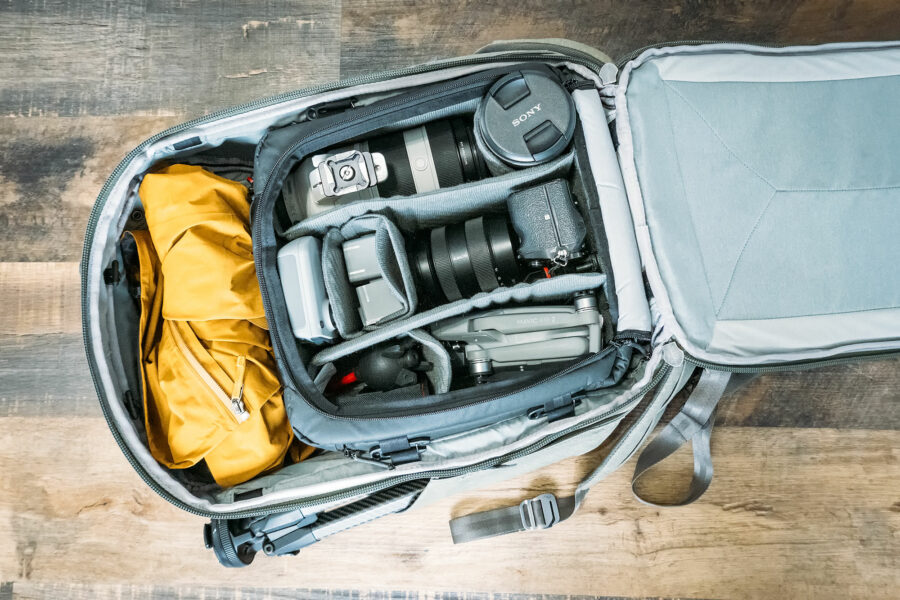
Credit: expertvagabond.com
Packing Techniques For Safety
Packing your DSLR camera bag with safety in mind is crucial for protecting your valuable gear. The right techniques can prevent damage from shocks, drops, and weather conditions. Let’s look at practical ways to keep your equipment secure and ready for action.
Cushioning And Padding
Start by using padded dividers inside your camera bag. These cushions absorb shocks and keep your camera and lenses from banging against each other. If your bag doesn’t have enough padding, add foam inserts or bubble wrap around delicate items for extra protection.
Think about the space between your gear—avoid tight packing that can cause pressure damage. Leave small gaps filled with soft cloth or lens pouches. Have you ever felt that sudden panic when your lens hits the side of the bag? Proper cushioning stops that worry before it starts.
Securing Loose Items
Loose items like memory cards, batteries, or lens caps can easily get lost or damaged if they move around. Use small pouches or zipped compartments to keep these essentials organized and secure. Velcro straps or elastic bands inside the bag can also hold cables and filters firmly in place.
Consider labeling these pouches for quick access during shoots. Have you ever fumbled through your bag, losing precious seconds? Keeping things tight and in place saves time and frustration on the field.
Weatherproofing Your Gear
Weather can change unexpectedly, and your camera gear is sensitive to moisture and dust. Use waterproof covers or bags with water-resistant materials to shield your equipment. Adding silica gel packets inside your bag helps absorb humidity and keeps your lenses fog-free.
Double-check seals and zippers to ensure they close tightly. Do you carry your camera in the rain often? Investing in a rain cover can mean the difference between a great shot and gear damage.
Travel Tips For Dslr Cameras
Traveling with a DSLR camera needs careful planning. Protecting your gear keeps it safe and ready for use. Follow these simple tips to avoid damage and loss. Pack smart and travel light for easier handling.
Carrying Your Bag On Flights
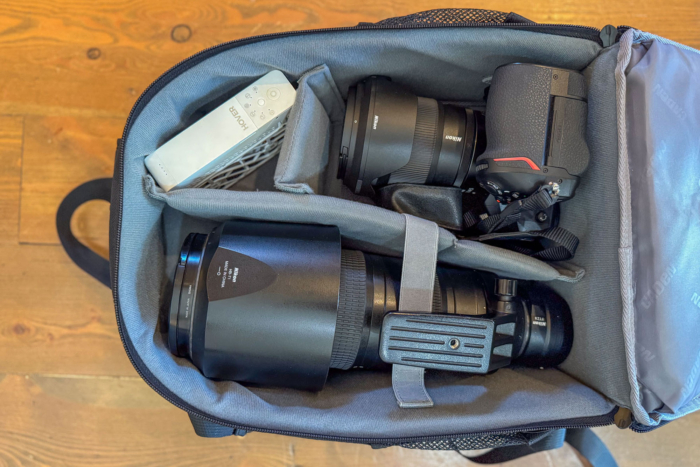
Choose a sturdy, well-padded camera bag for flights. Keep your DSLR as a carry-on item. Avoid checking it in with other luggage. This reduces risks of rough handling and theft. Use a bag with organized compartments to hold lenses and accessories securely. Keep your camera easily accessible for quick checks or photos.
Handling Security Checks
Prepare to remove your camera from the bag at security points. Use a bag that opens fully and smoothly. Place your DSLR and lenses in separate compartments for easy screening. Be polite and patient with security staff. Bring printed copies of your camera’s purchase receipt if possible. This helps in case of extra questions.
Avoiding Theft And Damage
Always keep your camera bag close to your body. Use bags with lockable zippers for extra protection. Avoid leaving your gear unattended in public places. Carry only essential equipment to minimize loss risk. Consider using a discreet camera bag that does not attract attention. Use silica gel packs inside to control moisture and prevent damage.
Credit: gearjunkie.com
Maintaining Your Gear On The Go
Keeping your DSLR gear in top shape while you’re on the move is crucial for capturing those perfect shots whenever inspiration strikes. Your camera and accessories face dust, moisture, and bumps during travel. Knowing how to maintain them can save you from frustrating malfunctions and costly repairs.
Regular Cleaning Routines
Cleaning your DSLR regularly prevents dirt and dust from damaging sensitive parts. Use a soft brush or air blower to remove particles from the lens and camera body. Carry a microfiber cloth to wipe smudges off lenses immediately after use.
Have you ever missed a great shot because your lens was dirty? Keeping cleaning tools in your bag ensures you’re always ready to maintain clarity in your photos. Avoid using household cleaners; instead, opt for solutions made specifically for camera lenses.
Battery Management
Managing your batteries efficiently keeps your camera ready for action. Always carry fully charged spare batteries in your bag. Cold weather drains battery life faster, so keep extras close to your body to stay warm.
Do you track your battery usage during shoots? Consider using a small power bank or portable charger if your camera supports USB charging. Turning off Wi-Fi and GPS features when not needed can also extend battery life significantly.
Storage Best Practices
Proper storage inside your camera bag protects your gear from damage and moisture. Use padded compartments to separate your camera, lenses, and accessories. Keep silica gel packets in your bag to absorb humidity and prevent mold buildup.
Think about how you pack your gear—placing heavier items at the bottom and fragile lenses on top reduces pressure and potential damage. After a day in rain or dust, always let your equipment dry before packing it away to avoid corrosion.
Frequently Asked Questions
What Essentials Should I Pack In A Dslr Camera Bag?
Pack your DSLR body, lenses, extra batteries, memory cards, lens cleaning kit, and a sturdy strap. Include a rain cover to protect gear from weather damage.
How Do I Organize Lenses In A Dslr Camera Bag?
Use padded compartments to separate lenses and prevent damage. Arrange lenses by size and frequency of use for easy access.
Can I Carry A Tripod In A Dslr Camera Bag?
Yes, many camera bags have straps or compartments designed for tripods. Ensure it fits securely to avoid shifting during transport.
How Do I Protect My Dslr From Shocks While Packing?
Use padded dividers and foam inserts inside the bag. Wrap delicate gear in soft cloths for extra cushioning.
Conclusion
Packing a DSLR camera bag takes some planning. Choose the right gear and organize it carefully. Keep your camera safe with proper padding. Carry extra batteries and memory cards for longer shoots. A well-packed bag makes shooting easier and more fun.
Ready to capture great moments anytime, anywhere. Simple steps lead to better photo adventures.