You love your DSLR camera, but does your camera bag feel like a tangled mess? Struggling to find the right lens or accessory when you need it most can be frustrating and even cost you that perfect shot.
What if organizing your camera bag could be simple, quick, and even enjoyable? You’ll discover easy steps to transform your DSLR camera bag into a neatly arranged, stress-free zone. Keep reading, and you’ll never waste time digging through your gear again.

Credit: www.facebook.com
Choosing The Right Camera Bag
Choosing the right camera bag is crucial for protecting your DSLR and keeping your gear organized. It’s not just about style; the right bag improves your shooting experience by making equipment easy to access and carry. Think about how often you shoot, where you go, and what gear you bring along.
Types Of Dslr Camera Bags
Camera bags come in different styles to suit various needs. Sling bags offer quick side access and are great for light travel. Backpacks provide more space and better weight distribution, perfect for long shoots or when carrying extra lenses and accessories.
Messenger bags combine style and function, ideal for urban photographers who want easy access without a bulky look. Hard cases provide maximum protection but tend to be heavier and less flexible. What type fits your shooting style and daily routine?
Factors To Consider
Think about how you move with your camera. Do you walk a lot, bike, or drive? Comfort and ease of access should guide your choice. Look for padded straps and ergonomic designs to avoid shoulder pain.
Water resistance is another key factor if you shoot outdoors. You want protection from sudden rain or accidental spills. Also, check for customizable compartments that let you organize your gear your way.
Bag Size And Capacity
Choose a bag that fits your current gear but also leaves room for future additions. A tight fit might save space but can damage equipment or make packing a hassle. A bag that’s too large can be bulky and less comfortable to carry.
List your essentials: camera body, lenses, batteries, memory cards, and maybe a tripod or laptop. Match the bag capacity to this list, and don’t forget to add space for personal items if needed. How much gear do you realistically carry on a shoot?
Essential Gear To Pack
Packing your DSLR camera bag with the right gear makes a huge difference in your shooting experience. You want to be prepared, but not overloaded. Focusing on essential items ensures you have what you need without wasting space or weight.
Camera Body And Lenses
Your camera body is the heart of your gear, so it deserves the safest spot in your bag. Always pack it with a protective cover or padded divider to avoid scratches and bumps. Choose lenses based on your shoot—prime lenses for portraits or wide-angle for landscapes.
Consider packing a versatile zoom lens that covers multiple focal lengths. This saves room and keeps you flexible on location. Think about how much weight you can comfortably carry and select lenses accordingly.
Memory Cards And Batteries
Running out of memory or power during a shoot can be frustrating. Pack extra memory cards in a small, labeled case to keep them organized and safe. It’s easy to lose cards when they’re loose in the bag.
Always carry at least one spare battery, fully charged. You might want to invest in a portable charger or battery grip if your shoot lasts long. Ask yourself: how long will your session be, and what’s your backup plan if your battery dies?
Cleaning Tools And Accessories
Dust and smudges on your lens can ruin a shot. Pack a microfiber cloth, lens cleaning solution, and a small air blower. These tools help you quickly clean your gear without damaging delicate surfaces.
Also, include lens caps and body caps to protect your equipment when not in use. A small tripod or remote shutter release can come in handy for steady shots. Are you ready to tackle any situation with these simple but crucial accessories?
Packing Techniques For Protection
Packing your DSLR camera bag with protection in mind means more than just stuffing your gear inside. It requires careful organization to avoid damage during transport. The right techniques can keep your equipment safe and ready for your next shoot.
Using Dividers Effectively
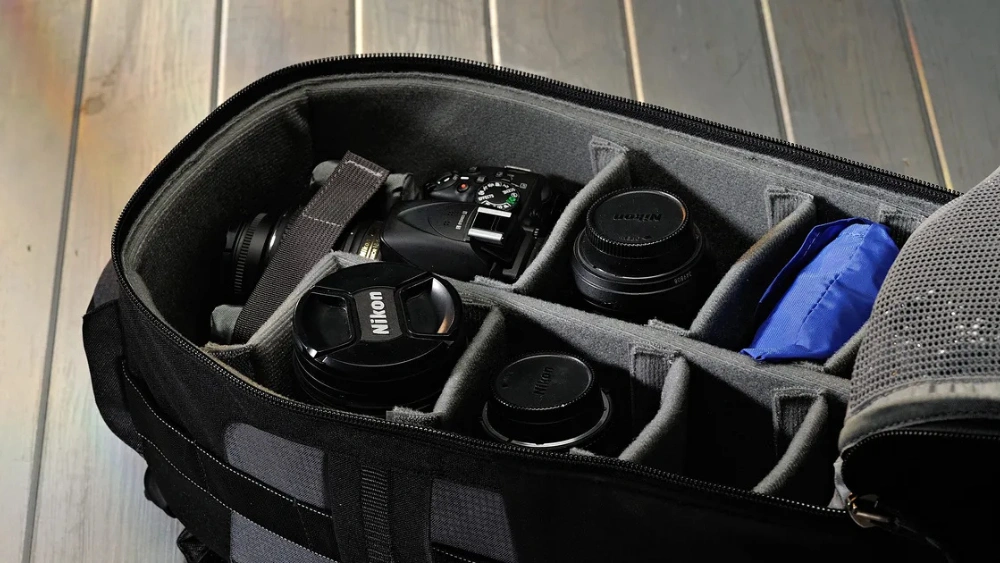
Dividers are essential for creating custom compartments within your camera bag. They help separate each item, preventing them from bumping into each other. Adjust the dividers to fit your lenses, camera body, and accessories snugly.
Think about your bag’s layout. Place heavier items like your camera body at the bottom to maintain balance. Use smaller compartments for batteries and memory cards to avoid shifting during movement.
Securing Fragile Items
Fragile items need extra care. Wrap delicate accessories in microfiber cloths or bubble wrap before placing them in the bag. This adds a layer of cushioning that absorbs shocks.
Consider using padded pouches for items like flashes or filters. If your bag has external straps, avoid attaching fragile gear there—it increases the risk of impact.
Preventing Lens Damage
Lenses are often the most vulnerable part of your kit. Always store them with lens caps on to protect the glass. Position lenses vertically rather than horizontally to reduce pressure on the glass elements.
Use lens pouches or padded compartments to shield them from bumps. Have you ever experienced a cracked lens element? Proper packing can save you from costly repairs and lost shooting time.
Maximizing Space And Accessibility
Maximizing space and accessibility in your DSLR camera bag is key to staying efficient and prepared during shoots. A well-organized bag helps you find what you need quickly, so you never miss a shot. Thoughtful packing also protects your gear and reduces stress when you’re on the move.
Organizing By Frequency Of Use
Keep your most-used items within easy reach. Place your camera body and primary lens in the main compartment for quick access. Less frequently used accessories, like extra lenses or filters, can be stored deeper in the bag.
Ask yourself: which items do you grab first when setting up? Store those at the top or in the front pockets. This way, you avoid rummaging through the entire bag and save valuable time.
Utilizing Pockets And Compartments
Take advantage of every pocket and compartment your bag offers. Small pockets are perfect for memory cards, lens caps, and cleaning cloths. Larger compartments can hold flash units, extra batteries, or even a small tripod.
Use padded dividers to separate gear and avoid damage. Customizing compartments based on your equipment size ensures a snug fit and prevents shifting during transport.
Keeping Cables And Chargers Tidy
Loose cables and chargers can quickly become a tangled mess. Use cable ties or Velcro straps to bundle them neatly. Store them in a dedicated pouch or pocket to keep them separate from your camera gear.
Labeling cables helps when you’re in a hurry. Imagine needing a charger mid-shoot and finding it instantly—organized cables make that possible every time.
Maintaining Your Camera Bag
Keep your DSLR camera bag tidy by using compartments for lenses, batteries, and accessories. Regularly clean the bag to avoid dust and damage. Organizing gear this way saves time and protects your equipment.
Maintaining your camera bag is essential for ensuring your gear stays safe and functional. A well-kept bag is like having a trusted assistant on your photography adventures. It’s not just about cleanliness; it’s about being ready to capture those unexpected moments. How often do you check if your bag is in top shape? Here’s how you can keep your camera bag organized and efficient.Regular Cleaning Tips
Regular cleaning can make a world of difference. Dust and dirt particles can sneak into your bag, affecting your camera’s performance. Use a soft brush to sweep away debris from compartments. Consider using a damp cloth for tougher stains. Be cautious with cleaning agents—sometimes, a little water is all you need. Don’t forget to clean the exterior of your bag. It’s the first line of defense against the elements.Inspecting For Wear And Tear
Give your bag a thorough check every few months. Look for frayed edges or weakened zippers. These small issues can escalate quickly if not addressed. Consider the integrity of the bag’s straps. A broken strap can lead to a disastrous spill of your gear. Trust your instincts. If something feels off, investigate further. It’s better to be proactive than to risk damaging your camera.Updating Gear Layout
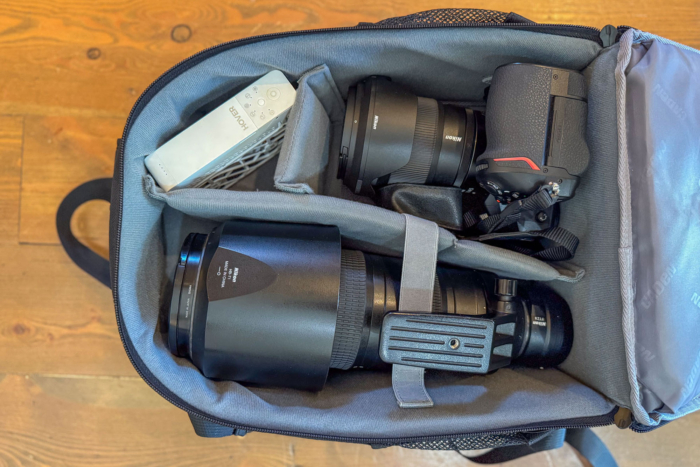
Is your gear layout still serving you well? Changes in your photography style might necessitate a new organization strategy. Experiment with different configurations. Try placing your camera body in the center for easy access. Regularly update your setup to accommodate new gear. This ensures everything is within reach when creativity strikes. Maintaining your camera bag is not just a routine task; it’s an investment in your photography journey. Are you ready to give your gear the care it deserves?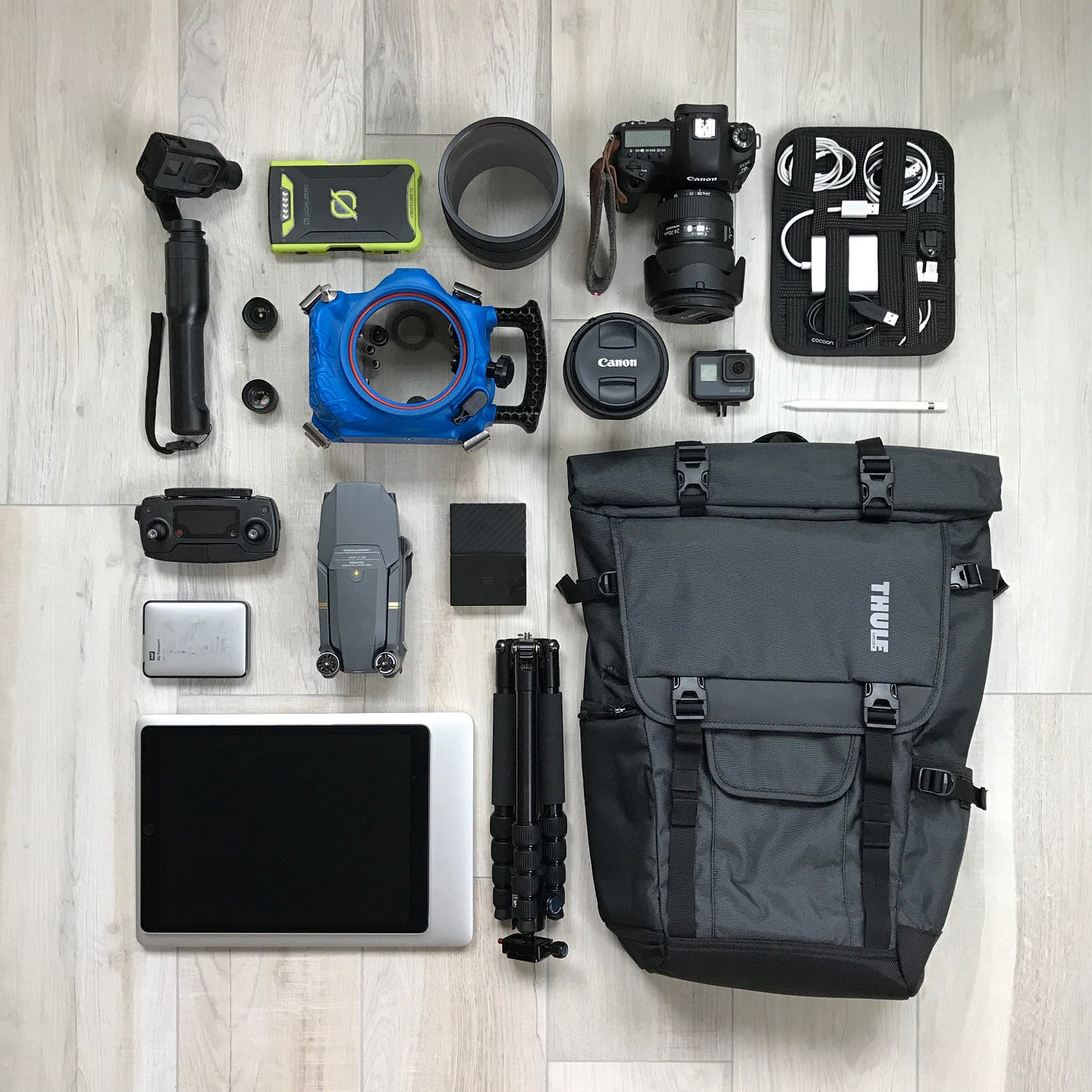
Credit: medium.com
Credit: gearjunkie.com
Frequently Asked Questions
How Do I Choose The Right Dslr Camera Bag?
Select a bag based on size, compartments, and protection level. Consider your gear and travel needs. A well-padded, water-resistant bag ensures safety and convenience.
What Are Essential Items To Organize In A Dslr Bag?
Organize your camera body, lenses, batteries, memory cards, and cleaning kit. Use padded dividers for protection and easy access. Keep small accessories in zippered pockets to avoid loss.
How Can I Maximize Space In My Dslr Camera Bag?
Use customizable dividers and pack gear vertically. Remove unnecessary items before each trip. Utilize external pockets for cables and manuals to free internal space.
How Do I Keep My Dslr Gear Safe During Travel?
Choose a bag with sturdy padding and secure closures. Use lens caps and wrap cables neatly. Avoid overpacking to prevent damage from pressure or impacts.
Conclusion
Organizing your DSLR camera bag saves time and protects your gear. Keep lenses, batteries, and accessories in separate compartments. Use padded dividers to avoid damage. Arrange items by size and frequency of use. A neat bag makes shooting easier and more fun.
Take a few minutes each day to tidy your bag. Ready gear means ready shots. Stay prepared and enjoy every photo adventure.