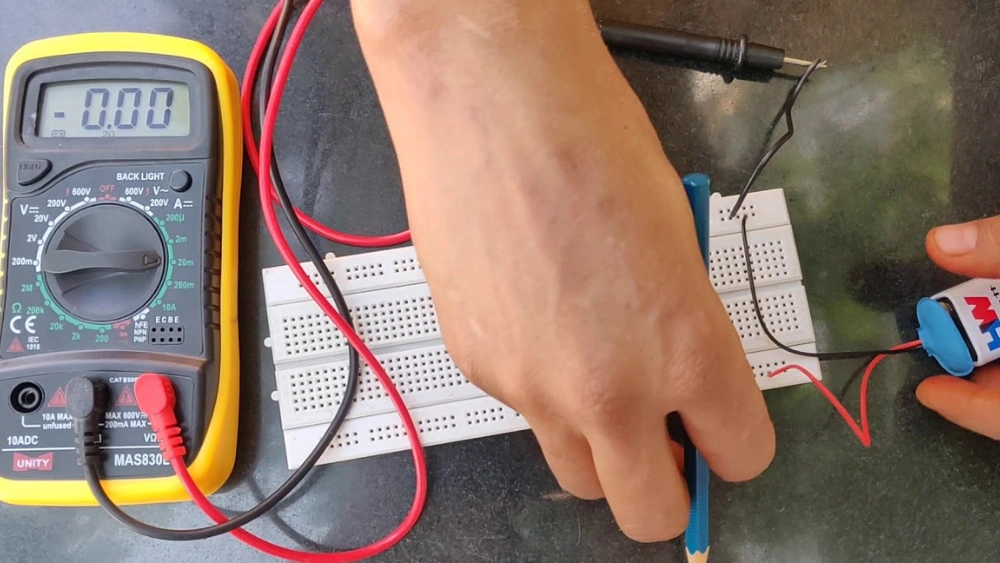
Are you curious about how to check the resistance of a wire quickly and accurately? Measuring resistance is a simple yet essential skill, especially if you work with electronics or want to troubleshoot your devices.
With just a multimeter and a few easy steps, you can find out if a wire is working well or if it needs replacement. Keep reading, and you’ll learn a clear, step-by-step method that anyone can follow—no technical background needed.
By the end, you’ll feel confident using your multimeter to measure resistance like a pro.

Credit: www.youtube.com
Tools Needed
Measuring the resistance of a wire accurately depends heavily on having the right tools at your disposal. Without proper equipment, you risk getting incorrect readings that can mislead your entire project. Let’s look at what you need to make this task straightforward and precise.
Choosing The Right Multimeter
Your multimeter is the heart of the measurement process. Not every multimeter handles resistance the same way, so pick one that offers a clear resistance (ohms) setting. Digital multimeters are generally easier to read and more accurate than analog ones, especially for beginners.
Look for these features:
- Auto-ranging:Saves you from guessing the resistance range.
- Clear display:A bright and large screen helps avoid mistakes.
- Durability:Choose a model that can handle your workspace environment.
Have you ever struggled with a multimeter that was too complicated or hard to read? A user-friendly design can save you time and frustration.
Other Required Equipment
Besides the multimeter, you’ll need a few more items to ensure your measurement is reliable and easy to perform.
- Test leads:Good quality leads with insulated handles prevent accidental shocks and deliver accurate readings.
- Wire sample:Make sure the wire you’re testing is clean and free from damage or corrosion.
- Alligator clips:These can be handy if you want to keep your hands free while testing.
- Non-conductive surface:Place your wire on a wooden or plastic surface to avoid interference during measurement.
Have you ever tried measuring resistance while holding the wire and leads by hand? It’s tricky and can lead to unstable readings. Using clips and a stable surface improves accuracy and safety.
Preparing The Wire
Preparing the wire is an important step before measuring resistance with a multimeter. The accuracy of your reading depends on the wire’s condition and type. Proper preparation ensures clear contact points and reduces errors caused by dirt or oxidation.
Selecting The Wire
Choose a wire that fits your measurement needs. Copper wires are common and offer low resistance. Avoid wires with coatings or insulation that block contact points. The wire should be straight and free from bends or damage. Shorter wires give more precise readings. Longer wires may add extra resistance to the result.
Cleaning The Wire Surface
Clean the wire ends before testing. Dirt, grease, or oxidation can block electrical contact. Use fine sandpaper or a wire brush to gently remove surface dirt. Wipe the wire with a clean cloth afterward. This step ensures the multimeter probes touch pure metal. Proper cleaning improves the accuracy of your resistance measurement.
Setting Up The Multimeter
Setting up the multimeter correctly is important before measuring wire resistance. A wrong setup can give false readings or damage the device. This section explains how to prepare your multimeter for accurate resistance measurement.
Selecting Resistance Mode
Turn the multimeter dial to the resistance mode. This mode is usually marked with the Greek letter omega (Ω), which stands for ohms. Select this setting to measure how much the wire resists electric current. Avoid other modes like voltage or current, as they will not measure resistance.
Adjusting The Range
Set the range on your multimeter to match the expected resistance. Some multimeters have an auto-range feature that adjusts automatically. If yours does not, choose a range slightly higher than what you expect to measure. This prevents overloading the meter and ensures a correct reading.

Credit: www.instructables.com
Connecting The Probes
Connecting the probes correctly is crucial for getting an accurate resistance measurement. If the probes aren’t properly placed or don’t make secure contact, your multimeter might give you false readings or no reading at all. Paying close attention to how you connect the probes can save you time and frustration.
Proper Probe Placement
Place the multimeter probes directly on the wire’s ends you want to test. Make sure you touch only the metal part of the wire, avoiding any insulation. Holding the probes on the bare wire ensures the multimeter measures the wire’s actual resistance and not the insulation or any other material.
Check the polarity as well—although resistance measurement is not polarity sensitive, keeping the red probe on one end and the black on the other helps maintain consistency. If your wire is part of a circuit, isolate it first to avoid interference from other components.
Ensuring Secure Contact
Press the probes firmly against the wire to avoid any loose connections. A shaky hand or a weak connection can cause fluctuating readings on your multimeter. If you find it hard to keep the probes steady, use alligator clips as an extra grip to hold the probes in place.
Also, clean any dirt or oxidation off the wire’s surface before connecting the probes. Even a thin layer of corrosion can increase resistance and give you inaccurate results. Have you ever struggled with unstable readings just because the contact wasn’t solid enough?
Taking The Measurement
Taking the measurement of a wire’s resistance using a multimeter might seem daunting, but it’s simpler than you think. Imagine you’re on a quest to understand the electrical world around you. With a multimeter in hand, you’re equipped to unravel the mysteries of resistance. Follow these steps to ensure you’re measuring accurately, turning complex data into actionable insights.
Reading The Display
Once your multimeter is connected, pay close attention to its display. The numbers that appear aren’t just random digits; they’re the key to understanding your wire’s resistance. Ensure your multimeter is set to the correct range to prevent reading errors. If the display shows ‘1’ or ‘OL’, your wire’s resistance might exceed the selected range.
Adjusting the range can provide a more accurate reading. It’s like tuning a radio to the right frequency. Keep an eye on the units displayed, whether they are in ohms, kilohms, or megohms. This detail is crucial for interpreting your results correctly.
Interpreting The Results
Now that you have your reading, what does it mean? Understanding the implications of your measurement is where the real magic happens. A low resistance value typically indicates a good conductor, while high resistance suggests a weaker one.
Ask yourself: does this resistance align with the wire’s expected performance? If the value seems off, consider factors like wire age or damage. Remember, resistance readings can guide you in troubleshooting electrical issues. They offer a snapshot of your wire’s health, helping you decide if it’s time for a replacement or repair.
In essence, measuring resistance isn’t just about numbers—it’s about insights that empower you to make informed decisions. Are you ready to wield this knowledge in your next DIY project?
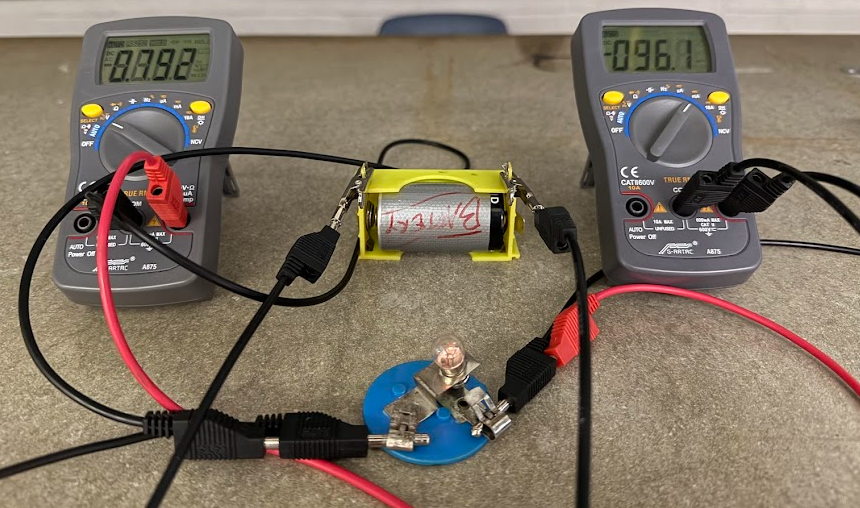
Credit: rjallain.medium.com
Troubleshooting Tips
Measuring the resistance of a wire with a multimeter can sometimes be tricky. Errors may occur and give wrong readings. This section helps solve common problems and keeps your tool accurate. Following these tips ensures reliable and consistent results every time.
Common Measurement Errors
- Dirty or corroded wire ends cause false readings.
- Loose connections between probes and wire affect accuracy.
- Using the wrong multimeter setting leads to incorrect values.
- Touching the metal probes while measuring adds extra resistance.
- Measuring resistance on a live circuit gives false or dangerous results.
- Damaged or low battery in the multimeter can cause errors.
Maintaining Multimeter Accuracy
- Calibrate your multimeter regularly following the manual.
- Store the multimeter in a dry, dust-free place to protect it.
- Replace batteries promptly to avoid weak power affecting readings.
- Clean the test leads and probes before each use.
- Check for damaged wires or connectors and replace them if needed.
- Use proper range settings for the resistance being tested.
Frequently Asked Questions
How Do I Measure Wire Resistance With A Multimeter?
Set the multimeter to the resistance (ohm) mode. Connect the probes to both ends of the wire. Read the resistance value displayed on the screen. Ensure the wire is disconnected from any power source before measuring.
What Is The Importance Of Wire Resistance Measurement?
Measuring wire resistance helps identify faults, ensure proper conductivity, and prevent circuit failures. It is essential for quality control and troubleshooting electrical systems.
Can I Measure Resistance Without Disconnecting The Wire?
For accurate results, always disconnect the wire from the circuit. Measuring resistance in-circuit can give false readings due to parallel paths and other components.
What Safety Precautions Should I Take While Measuring Resistance?
Always turn off power to the wire before measuring resistance. Use insulated probes and avoid touching metal parts to prevent electric shock.
Conclusion
Measuring wire resistance with a multimeter is simple and useful. Follow the steps carefully to get accurate results. Always check the multimeter settings before testing. Keep the wire clean and free from damage for best readings. Practice this skill to understand electrical circuits better.
Small efforts lead to safer and smarter electrical work. Try measuring different wires to gain confidence. This method helps in troubleshooting and quality checks. Use your multimeter often to stay familiar with its functions. A little practice makes the process quick and easy.