
You’ve invested in a great camera, and now you want to keep it safe while on the move. But how do you store it in your bag without risking damage?
Protecting your camera properly can save you from costly repairs and lost memories. You’ll discover simple, practical tips to keep your camera secure, organized, and ready to capture every moment. Keep reading to learn how to make your camera bag work for you, not against you.
Choose The Right Camera Bag
Choosing the right camera bag protects your gear and makes carrying easier. A good bag keeps your camera safe from bumps, dust, and moisture. It also helps organize your equipment neatly. Picking the correct bag depends on your style, camera type, and travel needs.
Types Of Camera Bags
Camera bags come in many styles. Each style fits different needs and preferences.
- Backpacks:Great for carrying heavy gear on long trips. They spread weight evenly on your back.
- Shoulder Bags:Easy to access and carry. Good for quick shoots and light gear.
- Messenger Bags:Stylish and versatile. They offer easy side access to your camera.
- Hard Cases:Provide maximum protection. Best for rough conditions or air travel.
- Holster Bags:Small and compact. Designed to hold just your camera body and lens.
Material And Durability
Strong materials keep your camera safe from damage. Look for water-resistant fabrics to protect against rain. Durable zippers and reinforced seams add extra strength. Padding inside cushions your camera from shocks and drops. The bag should feel sturdy but not too heavy.
Size And Compartments
Choose a bag size that fits your camera and accessories. Too big means extra weight and wasted space. Too small can damage your gear. Compartments help keep lenses, batteries, and memory cards organized. Adjustable dividers let you customize the space inside. Pockets for small items keep everything in place.
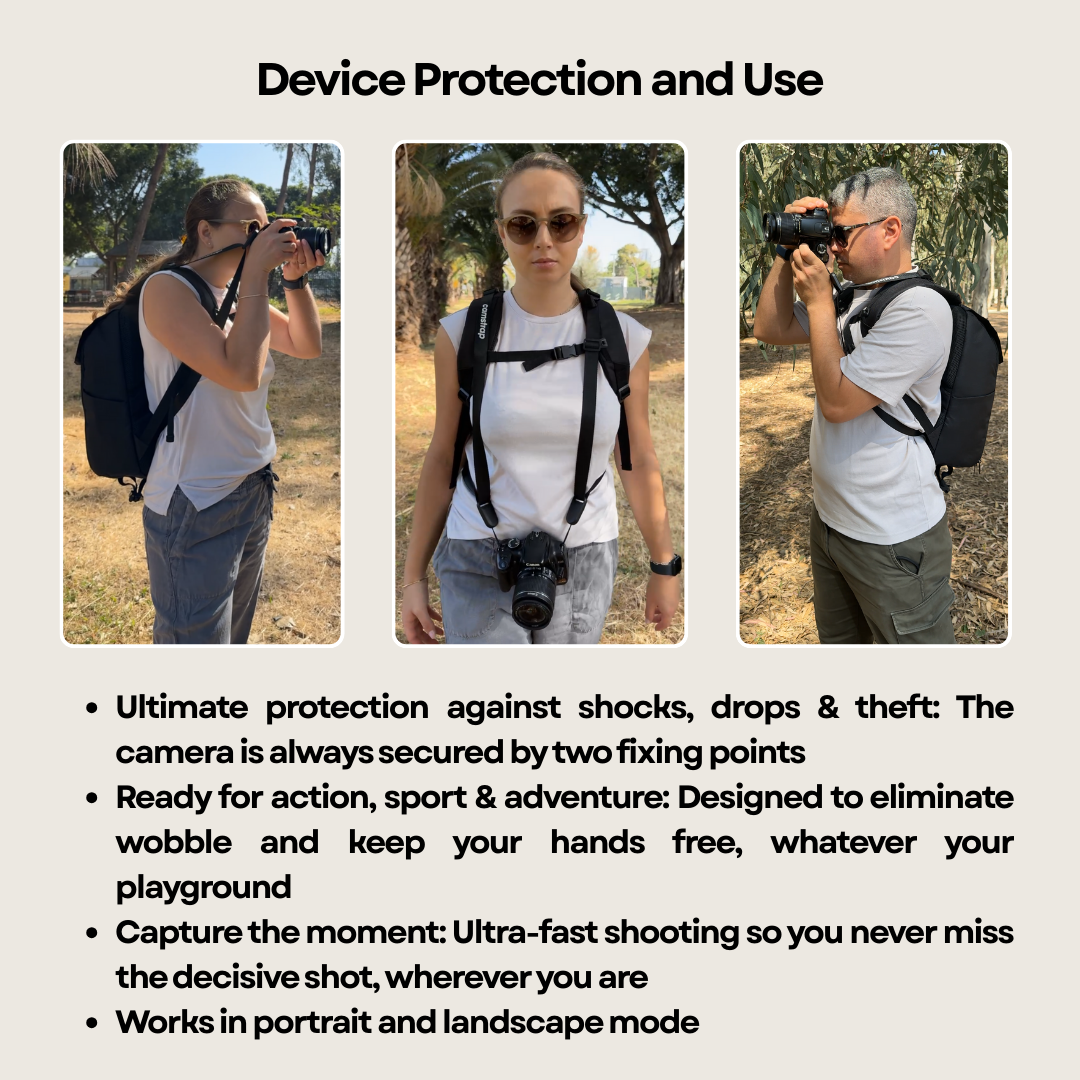
Credit: cam-strap.com
Use Protective Padding
Protecting your camera inside the bag is essential to avoid damage. Using protective padding helps cushion the camera from bumps and shocks. It keeps the camera steady and safe during travel. Proper padding absorbs impact and prevents scratches. This section explains how to use padding effectively.
Built-in Padding Features
Many camera bags come with built-in padding. These pads are soft but firm enough to protect your gear. They create a protective barrier around the camera. The padding often covers all sides, including the bottom. Look for bags with thick, high-quality foam for better protection.
Adding Extra Cushions
Extra cushions add more safety for your camera. You can use small foam pieces or padded wraps. Place cushions around the camera for added shock absorption. Use soft materials like microfiber or neoprene for gentle protection. Extra padding helps fill empty spaces in the bag.
Custom Inserts
Custom inserts fit perfectly around your camera and lenses. They keep gear separated and prevent movement. Inserts are usually foam blocks you can shape or buy pre-cut. Choose inserts that fit your specific camera model. Custom inserts offer the best protection for fragile equipment.
Organize Your Gear
Keeping your camera gear organized in your bag is crucial for both accessibility and protection. A well-organized bag ensures you can quickly grab your camera and accessories without rummaging through a tangled mess. Whether you’re preparing for an adventurous outdoor shoot or a casual day trip, having a systematic approach to organizing your gear can make all the difference.
Separate Camera And Lenses
Imagine reaching for your camera and lens during a spontaneous moment, only to find them tangled together. Separating your camera and lenses not only prevents potential damage but also keeps your gear ready for action. Use dedicated compartments or padded sections in your bag to store each item individually. This practice minimizes the risk of scratches and keeps your gear safe. Have you ever missed a great shot because you couldn’t find the right lens in time?
Use Dividers And Pouches
Dividers and pouches are lifesavers when it comes to keeping your gear organized. They allow you to create custom sections within your bag, tailored to your specific needs. Adjustable velcro dividers can be repositioned to fit different items snugly. Pouches are perfect for small, delicate accessories like filters or memory cards. Organizing your bag this way ensures everything has a designated spot, making it easy to locate items quickly.
Keep Accessories Accessible
Having your accessories easily accessible can be a game changer in fast-paced shooting environments. Store frequently used items, such as batteries and cleaning cloths, in easily reachable exterior pockets or dedicated slots. This ensures you won’t waste precious time digging through your bag when you need them urgently. Have you ever thought about how much time you could save with a well-organized accessory section?

Credit: www.instagram.com
Control Environmental Factors
Controlling environmental factors is key to keeping your camera safe inside its bag. Cameras are sensitive devices that can suffer damage from moisture, temperature changes, and dirt. Taking care of these elements helps your gear last longer and perform better.
Avoid Moisture And Humidity
Moisture can cause rust and damage camera electronics. Keep your bag dry and away from wet places. Use silica gel packets inside the bag to absorb any humidity. Open the bag in dry areas to prevent damp air from entering. Store your camera in a cool, dry room when not in use.
Protect From Extreme Temperatures
Extreme heat can harm battery life and camera parts. Cold can cause condensation and slow mechanical functions. Avoid leaving your bag in hot cars or under direct sun. In cold weather, keep the camera inside the bag until it warms up. Sudden temperature changes can create moisture, so allow your gear to adjust gradually.
Prevent Dust And Dirt
Dust can clog lenses and buttons, affecting camera functions. Use a bag with a secure zipper or flap to block dirt. Clean your camera before placing it back in the bag. Consider using a small brush or air blower to remove dust. Store the bag in a clean area to reduce dust buildup.
Handle With Care
Handling your camera with care starts before you even open your bag. Proper care prevents damage and keeps your gear ready for the next shot. Small actions can make a big difference in protecting your camera inside the bag.
Proper Bag Handling
Always hold your camera bag with a steady grip. Avoid swinging or tossing it. Use both hands when possible to keep the bag stable. Carry the bag close to your body to reduce sudden movements. This prevents shocks that can harm your camera.
Secure Zippers And Closures
Check that all zippers and closures are fully closed. Loose zippers can let dust, dirt, and moisture enter the bag. Use bags with quality zippers that glide smoothly. Consider bags with lockable zippers for extra security. Keeping the bag sealed protects your camera from external damage.
Transport Tips
- Place the bag on smooth surfaces, not rough or wet ground.
- Avoid stacking heavy items on top of the camera bag.
- Use padded straps or shoulder pads for comfort during long carries.
- Store the bag in a dry, cool place during transport.
- Keep the camera bag away from direct sunlight to prevent heat damage.
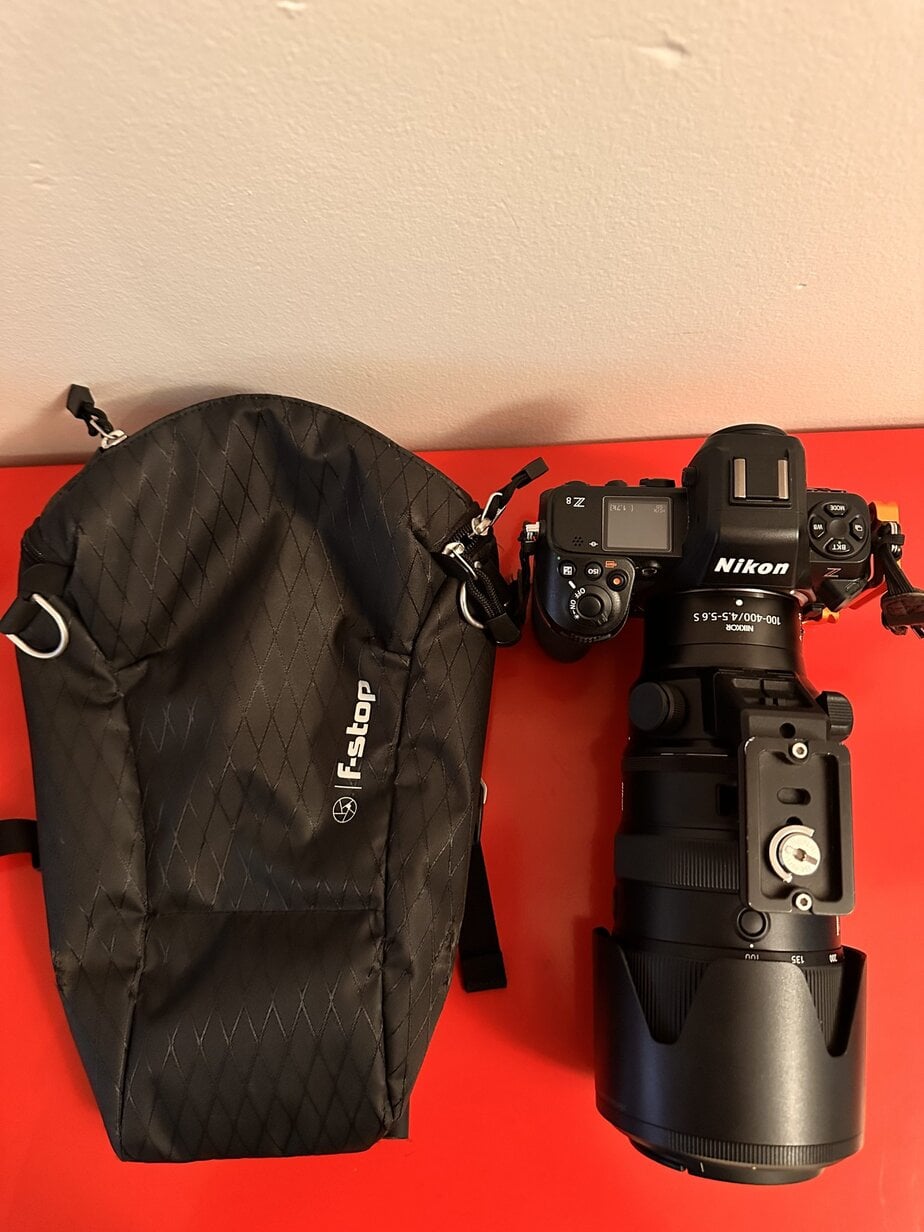
Credit: mintatravels.com
Regular Maintenance
Regular maintenance of your camera bag is key to protecting your gear and extending its life. Neglecting this simple routine can lead to dirt buildup, wear and tear, or even damage to your camera and lenses. Taking a few minutes every week or month to care for your bag pays off when your equipment stays safe and ready for your next shoot.
Clean The Bag Interior And Exterior
Start by emptying your bag completely. Use a soft brush or vacuum to remove dust and crumbs from inside the compartments. Wipe down the exterior with a damp cloth and mild soap if needed. Avoid harsh chemicals that might damage the fabric or waterproof coating.
Have you noticed how dirt inside the bag can scratch your lenses? Keeping the interior clean prevents grit from settling on your gear and causing scratches during transport.
Inspect Padding And Straps
Check the padding for any signs of compression or damage. Padding cushions your camera from shocks, so if it’s worn out, your gear is at risk. Examine the straps and buckles for fraying or weakness to avoid accidental drops.
Imagine carrying your camera bag on a hike only to have a strap snap. Regular checks give you the chance to fix or replace worn parts before they fail when you need them most.
Check Camera And Lens Condition
Every time you pack your camera, take a quick look at the lens and body for dust, smudges, or scratches. Clean your lens with a microfiber cloth and lens cleaner to keep images sharp. Inspect the camera body for any signs of moisture or damage.
Have you ever found dust inside your lens after a trip? Regularly checking your camera’s condition helps catch problems early, so you can clean or repair before serious damage occurs.
Frequently Asked Questions
How To Protect My Camera Inside A Bag?
Use padded compartments to cushion your camera. Secure lens caps and avoid overcrowding. Keep the bag dry and clean.
What’s The Best Bag Type For Camera Safety?
Choose bags with adjustable padded dividers. Look for water-resistant materials and sturdy zippers. A backpack or messenger bag works well.
How To Organize Camera Accessories In A Bag?
Use small pouches for batteries, memory cards, and cables. Keep items separate to avoid damage and easy access.
Can I Store My Camera In A Bag Long-term?
Remove batteries to prevent corrosion. Store in a dry, cool place. Use silica gel packs to absorb moisture.
Conclusion
Keeping your camera safe in a bag protects it from damage. Use padded compartments to avoid scratches and shocks. Always store lenses separately to keep them clean and secure. Avoid overpacking to prevent pressure on your gear. Regularly check your bag for dirt and moisture.
A well-organized bag makes your camera easy to find. Taking these small steps ensures your camera stays ready for your next shoot. Simple habits help your gear last longer and work better. Safe storage means more fun and less worry on your trips.