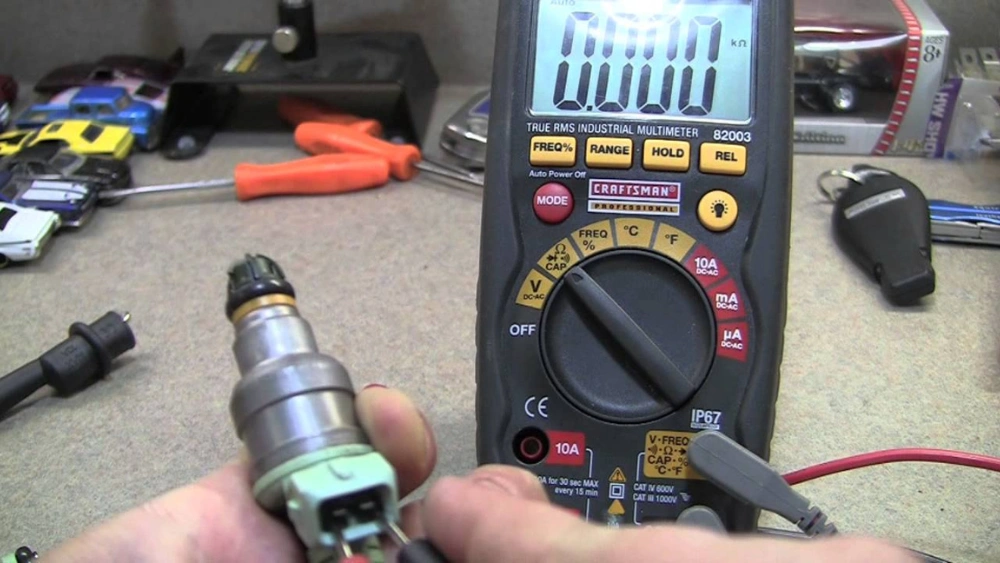
Are you having trouble with your vehicle’s fuel injectors? Knowing how to check the injector pulse with a multimeter can save you time and money.
This simple test helps you find out if your injectors are working properly or if they need attention. You’ll learn easy, step-by-step instructions to perform this check yourself, even if you’re not a mechanic. By the end, you’ll feel confident diagnosing your injector issues and keeping your engine running smoothly.
Keep reading to discover how to take control of your car’s performance right now.
Credit: www.m5board.com
Tools Needed
To check the injector pulse with a multimeter, having the right tools is crucial. The accuracy of your diagnosis depends heavily on the quality and type of equipment you use. Before diving into testing, make sure you have everything prepared to avoid interruptions and ensure precise readings.
Multimeter Types
Not all multimeters are created equal, especially for automotive testing. A digital multimeter (DMM) is your best bet because it offers clear readings and greater reliability. Look for a model with a pulse or frequency measurement feature, as this helps detect injector pulses more accurately.
Analog multimeters can work but are less precise and harder to read when dealing with rapid pulse signals. If you often work on vehicles, investing in a multimeter with automotive-specific functions, like a duty cycle measurement, will save you time and frustration.
Additional Equipment
Besides the multimeter, some additional gear can make your job easier and safer. A set of insulated test leads is essential to avoid accidental shorts or shocks. Having a breakout box or injector connector adapter simplifies access to the injector terminals and prevents damage to the wiring.
Don’t forget safety gloves and eye protection—injector circuits can carry voltage that surprises you. A wiring diagram for your specific vehicle model is also very helpful; it guides you on where to connect your multimeter probes. Small tools like a screwdriver or a flashlight might come in handy to access hard-to-reach injectors.
Injector Pulse Basics
Understanding injector pulse is key to diagnosing fuel injection issues in your vehicle. It’s the electrical signal that tells the fuel injector when to open and close, controlling fuel delivery. Knowing the basics helps you pinpoint problems quickly and save time and money on repairs.
What Is Injector Pulse?
Injector pulse refers to the rapid electrical pulses sent to a fuel injector. These pulses open the injector valve, allowing fuel to spray into the engine’s combustion chamber.
The pulse duration and frequency control how much fuel is injected. If the pulse is weak or missing, the injector won’t work properly, causing engine misfires or poor performance.
Why Check Injector Pulse?
Checking the injector pulse helps you confirm whether the injector is receiving the correct signal. Without this check, you might replace parts unnecessarily.
It’s a straightforward way to identify wiring problems, faulty injector drivers, or a bad injector itself. Have you ever wondered why your engine struggles to start or runs rough? Verifying the pulse can often reveal the root cause.
Preparing The Vehicle
Preparing your vehicle correctly is essential before you check the injector pulse with a multimeter. This step ensures accurate readings and keeps you safe throughout the process. Taking a few moments to get everything ready can save you time and frustration later on.
Safety Precautions
Always disconnect the negative terminal of the battery before working on electrical components to avoid accidental shocks or shorts. Wear safety glasses to protect your eyes from any unexpected sparks or debris. Keep the area well-ventilated, especially if you’re working in a garage, since fuel vapors can be harmful.
Have a fire extinguisher nearby—injectors deal with fuel, and safety should be your top priority. Avoid loose clothing or jewelry that might get caught in moving parts. Do you really want to risk a minor mistake turning into an emergency? Taking these safety steps seriously is the best way to protect yourself.
Locating The Injectors
Find your vehicle’s service manual or look up the injector layout for your specific engine model. Injectors are usually mounted on the intake manifold or cylinder head, connected to the fuel rail. You’ll spot them as small cylindrical components with electrical connectors on top.
Sometimes, injectors are hidden under engine covers or air intake assemblies—removing these parts might be necessary. Pay attention to the wiring harness attached to each injector; this is where you’ll connect your multimeter. Have you ever tried working without a clear map? Locating injectors first prevents wasted effort and confusion.

Credit: www.youtube.com
Setting Up The Multimeter
Setting up your multimeter correctly is key to checking the injector pulse accurately. A proper setup ensures safe testing and clear readings. This section guides you through choosing the right settings and connecting the test leads properly.
Selecting The Right Mode
Turn on your multimeter and set it to the correct mode for pulse detection. Most multimeters have a “Voltage” or “DC Voltage” setting. Choose DC Voltage because the injector pulse is a small voltage signal.
Set the range to a low voltage, usually 20 volts or less. This setting helps capture the injector pulse clearly without damage to the device. Avoid using the “Ohms” or “Resistance” mode, as it does not measure voltage signals.
Connecting Test Leads
Insert the black test lead into the multimeter’s common (COM) port. Plug the red test lead into the port labeled for voltage (often marked as V or VΩ).
Check the condition of the test leads. Make sure the wires are intact and the tips are clean. Connect the leads carefully to the injector wiring or the injector connector.
- Attach the black lead to a good ground point, like the engine block or battery negative terminal.
- Touch the red lead to the injector’s signal wire. This is usually the wire that carries the pulse from the engine control unit (ECU).
Hold the leads steady to avoid false readings. Proper connections reduce noise and interference in your measurements.
Testing Injector Pulse
Testing injector pulse is a crucial part of diagnosing fuel injector problems in your vehicle. Knowing how to use a multimeter effectively can save you time and money, and it’s easier than you might think. Whether you’re an experienced mechanic or a DIY enthusiast, understanding the basics can empower you to take control of your vehicle’s health. Let’s dive into how you can do this with your multimeter.
Probing The Injector Connector
Begin by safely disconnecting the injector connector. This is where you’ll place the multimeter probes. Make sure your vehicle is off and cool to prevent any accidents. You might find it helpful to use a flashlight to see the connector more clearly.
Insert the multimeter probes into the connector terminals. Ensure the probes are securely connected to avoid inaccurate readings. Set your multimeter to measure voltage, and you’re ready to test.
Interpreting Multimeter Readings
Once your multimeter is connected, start your vehicle. Observe the readings as the engine runs. A functioning injector should show a fluctuating voltage, indicating pulse signals are present.
If the readings remain static, this could signal a problem with the injector or wiring. Don’t be afraid to question what the readings mean for your vehicle’s performance. Is it time to consult a professional, or can you troubleshoot further?
Remember, accurate interpretation can lead to effective solutions. Keep your vehicle’s manual handy to cross-check specifications for peace of mind.
Troubleshooting Tips
When checking injector pulse with a multimeter, troubleshooting is key to getting accurate results. You might face issues that can confuse your diagnosis or even damage your tools. Knowing how to identify and fix common problems will save you time and frustration.
Common Issues
One frequent problem is getting no reading on the multimeter. This could mean a faulty injector connector, a blown fuse, or dead battery power to the injector circuit. Always check your multimeter’s battery and leads first to rule out equipment failure.
Another issue is erratic or fluctuating readings. This often happens if your test leads are loose or if there’s corrosion on the injector terminals. Clean the connectors gently and ensure a firm connection before testing again.
Sometimes, your multimeter might show a constant voltage when you expect a pulse signal. This can indicate a problem with the injector driver in the ECU or a wiring fault. Double-check the wiring harness for breaks or shorts.
When To Seek Professional Help
If you’ve tried all basic troubleshooting and still can’t get a stable injector pulse reading, it might be time to call in a pro. Complex electrical issues or ECU faults require specialized diagnostic tools beyond a multimeter.
Don’t ignore symptoms like engine misfires, rough idling, or poor fuel economy even after your injector pulse test looks okay. These signs often mean deeper injector or engine control problems that need expert attention.
Asking yourself, “Am I sure about the wiring and the test setup?” can guide your next move. If the answer is no, or if you feel unsure about handling electrical systems, a professional mechanic will save you from costly mistakes.
Credit: www.m5board.com
Frequently Asked Questions
What Is An Injector Pulse In A Car?
Injector pulse is the electrical signal that controls fuel injectors. It tells injectors when to open and spray fuel. Checking this pulse ensures proper injector function and engine performance.
How To Use A Multimeter To Check Injector Pulse?
Set the multimeter to AC voltage mode. Connect the probes to injector terminals. Crank the engine and observe the reading. A fluctuating voltage indicates the injector pulse is present.
Why Is Injector Pulse Testing Important?
Testing injector pulse helps diagnose fuel delivery issues. It confirms injectors receive the correct electrical signal. This prevents engine misfires and improves fuel efficiency.
Can A Multimeter Detect Faulty Fuel Injectors?
A multimeter can check injector pulse signals but cannot test injector spray directly. Pulse absence or irregularity indicates injector or wiring problems. Further tests may be needed for injector condition.
Conclusion
Checking injector pulse with a multimeter is a simple skill. It helps find problems with fuel injectors quickly. Follow the steps carefully for accurate results. A working multimeter and basic knowledge make this task easy. Regular checks keep your engine running smooth.
Practice a few times to gain confidence. This method saves time and money on repairs. Keep your tools ready for quick diagnostics. Stay safe and always double-check your readings. Injector pulse testing is a handy skill for any car owner.