
When choosing a projector, one question probably comes to your mind: how many lumens do you really need? Too few lumens, and your picture looks dull and hard to see.
Too many, and you might be paying for brightness you don’t even need. Getting this right makes a huge difference in your viewing experience, whether you’re watching movies, giving presentations, or gaming. You’ll discover exactly how to find the perfect lumen level for your space and needs—so you can enjoy sharp, vibrant images every time.
Keep reading to make sure you get the best projector brightness without overspending or settling for less.

Credit: www.pfu-us.ricoh.com
What Lumens Mean For Projectors
Lumens are a key number to understand when choosing a projector. They show how bright the projector’s light is. This brightness affects how clear and visible the image will be on the screen. Knowing what lumens mean helps pick the right projector for different rooms and uses.
Projector brightness is not just about light strength. It also impacts the viewing experience, especially in rooms with some natural light. The right lumens level ensures images look sharp and colors appear vivid, even in less dark spaces.
Lumens Vs Brightness
Lumens measure the total light output from the projector bulb. Brightness is how bright the image looks on the screen. Higher lumens usually mean a brighter picture. But screen size, room lighting, and projector technology affect perceived brightness too.
For example, a projector with 2000 lumens can work well in a dark room. In a bright room, 3000 lumens or more may be needed. Brightness depends on lumens and other factors like screen gain and ambient light.
Types Of Lumens Measurements
Not all lumens ratings are the same. Different standards measure lumens in various ways. This can cause confusion when comparing projectors. Common types include:
- ANSI Lumens:A standard that measures light in several spots on the screen. It gives a reliable brightness number.
- LED Lumens:Used for LED projectors. It adjusts the ANSI lumens to match how LEDs produce light.
- Lumens (claimed):Manufacturer estimates that may not follow strict testing methods.
Understanding these types helps read projector specs more clearly. ANSI lumens are the most trusted for brightness comparison.

Credit: www.reddit.com
Lumens Needed For Different Settings
Choosing the right lumens for a projector depends on the environment. Different settings require different brightness levels. Proper brightness ensures clear and vibrant images. Too dim, and details get lost. Too bright, and colors may wash out. Understanding lumens needs helps pick the perfect projector.
Home Theater Requirements
Home theaters usually need moderate brightness. Rooms often have controlled lighting and dark walls. A projector with 1,500 to 2,500 lumens works well here. This range offers sharp images without glare. It keeps movies and shows immersive and enjoyable. Lower lumens work if the room is very dark.
Classroom And Office Needs
Classrooms and offices have more ambient light. Projector images must be bright and easy to read. Lumens between 2,500 and 4,000 suit these spaces. This brightness cuts through daylight and fluorescent lights. It helps presentations and videos stay clear. Larger rooms need the higher end of this range.
Outdoor Projection Brightness
Outdoor projections face natural light and open spaces. Brightness must be strong to compete with daylight. Projectors with 3,000 to 5,000 lumens are ideal. Evening or night screenings can use fewer lumens. For daytime use, even brighter projectors might be necessary. High lumens keep images visible and vibrant outdoors.
Factors Affecting Projector Brightness
Projector brightness is not just about lumens. Several factors influence how bright a projector appears. Understanding these factors helps choose the right projector for your space and needs.
Ambient Light Impact
Ambient light affects projector brightness greatly. Bright rooms need projectors with higher lumens. Dark rooms allow for lower brightness projectors. Sunlight or strong lamps reduce image clarity. Control room lighting for better viewing quality.
Screen Size And Distance
Larger screens require more lumens to stay clear. The farther the projector from the screen, the dimmer the image. Small screens look bright with fewer lumens. Match lumens to screen size for sharp images. Distance and screen size work together to affect brightness.
Projector Technology Differences
Different projector types show brightness differently. LCD projectors produce sharp colors but may seem dimmer. DLP projectors often appear brighter with better contrast. LED projectors use fewer lumens but have vivid colors. Choose technology based on brightness needs and image quality.
Choosing Lumens Based On Usage
Choosing the right lumens for your projector depends heavily on how you plan to use it. Different activities require different brightness levels to deliver the best experience. Understanding your usage will help you pick a projector that matches your environment and needs perfectly.
Casual Viewing
If you mostly watch movies or TV shows in a dim or dark room, a projector with around 1,000 to 2,000 lumens usually works well. This brightness level provides clear images without overwhelming your eyes or creating glare.
Think about your living room lighting. Do you close the curtains or turn off the lights during viewing? If yes, lower lumens can still give you vibrant colors and sharp details. However, if your space has ambient light, consider boosting the lumens slightly.
Professional Presentations
For business or classroom presentations, brightness becomes more critical. Rooms often have ambient light that you can’t fully control, so projectors with 3,000 to 4,000 lumens are ideal.
Higher lumens ensure your slides are readable and your charts visible from the back of the room. Have you ever struggled to see a presentation clearly? Choosing a projector with more lumens can eliminate that frustration.
Gaming And Entertainment
Gaming demands fast response times and vibrant images, which means you need a projector that performs well in various lighting conditions. A brightness range of 2,000 to 3,000 lumens strikes a good balance.
Too dim, and you’ll lose detail in dark scenes; too bright, and colors might wash out. If you enjoy gaming with friends in a well-lit room, leaning toward higher lumens improves visibility without sacrificing image quality.
Balancing Lumens With Other Features
Choosing the right projector involves more than just picking one with a high lumen count. Lumens measure the brightness, but balancing this with other features ensures you get the best viewing experience. While it’s tempting to go for the brightest option, other elements like resolution, contrast ratio, and portability play a crucial role. Let’s dive deeper into how these features interact with lumens to create the ideal projector for your needs.
Resolution And Image Quality
While lumens determine brightness, resolution is key to image clarity. A projector with high lumens but low resolution may produce bright images that lack detail and sharpness. Consider projectors with at least 1080p resolution for a crisp viewing experience.
Imagine watching your favorite movie where you can see every detail, from the actor’s expressions to the scenic backdrop. High resolution paired with the right lumen level can turn this dream into reality.
Contrast Ratio Considerations
Contrast ratio is another important factor that complements lumens. It defines the difference between the darkest blacks and the brightest whites. A high contrast ratio enhances image depth and color vibrancy.
Have you ever watched a film where shadows blend seamlessly with dark scenes? This is the magic of a good contrast ratio. Balancing lumens with a strong contrast ratio ensures that bright and dark scenes are equally compelling.
Portability And Power Consumption
High lumen projectors can be bulkier and consume more power. If you’re planning to carry your projector around or use it in different locations, consider models that offer portability without sacrificing brightness.
Think about the convenience of setting up a projector anywhere, whether it’s in your living room or backyard. A portable projector with balanced lumens offers flexibility while minimizing your energy bills.
In the quest for the perfect projector, how do you prioritize these features? Each has its unique impact, but the key is finding a balance that fits your specific needs and environment. Brightness is important, but it’s the harmony between lumens and other features that truly enhances your viewing experience.
Credit: www.popsci.com
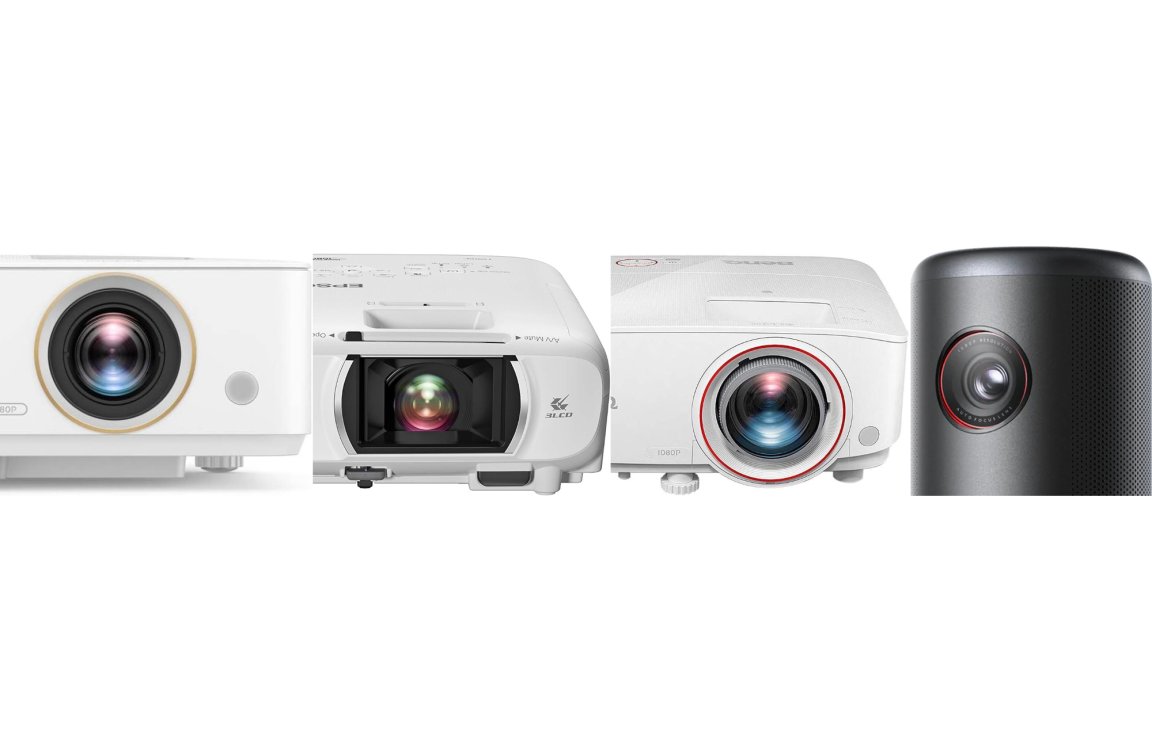
Top Projector Models By Lumens In 2025
Choosing the right projector in 2025 depends heavily on lumens, the measure of brightness. Higher lumens mean a clearer image in bright rooms. Lower lumens work well in dark spaces. This section lists top projectors by lumens to help find the best fit for your needs.
Best High-lumen Projectors
High-lumen projectors shine brightly in any light condition. These models offer 3000 lumens or more. Perfect for large rooms and outdoor use.
- Epson PowerLite 2250U – 5000 lumens, 1080p resolution
- BenQ TK850i – 3000 lumens, 4K UHD support
- Optoma EH500 – 4700 lumens, great for presentations
Budget-friendly Bright Projectors
Affordable options still offer good brightness. Ideal for home use or small offices. These projectors range from 2000 to 3000 lumens.
- Vankyo Performance V630 – 2500 lumens, easy setup
- ViewSonic PA503W – 3600 lumens, WXGA resolution
- BenQ MS535A – 3600 lumens, sharp images
Compact And Bright Options
Small projectors can be bright too. Good for travel and small rooms. Usually between 1500 and 2500 lumens.
- Anker Nebula Capsule II – 200 lumens, portable design
- AAXA P7 Mini Projector – 600 lumens, HD resolution
- LG PF50KA – 600 lumens, smart features
Tips To Optimize Projector Brightness
Optimizing projector brightness enhances viewing quality and image clarity. Brightness depends on more than lumens alone. Proper setup, screen choice, and regular care improve the picture. These tips help achieve the best projector brightness for any room or environment.
Proper Placement And Setup
Position the projector to avoid direct light on the lens. Keep it away from windows or bright lamps. Adjust the distance to match the screen size. Ensure the projector is level and stable. Use a mount or stand for steady placement. Proper alignment reduces glare and boosts brightness.
Screen Selection
Choose a screen with high gain to reflect more light. Matte white screens work well in dim rooms. For brighter rooms, consider gray screens to improve contrast. Avoid using plain walls, as they absorb light. A quality screen enhances color and sharpness effectively.
Maintenance For Consistent Brightness
Clean the projector lens regularly to remove dust. Replace air filters often to prevent overheating. Check for firmware updates to improve performance. Store the projector in a cool, dry place when not in use. Regular maintenance keeps brightness steady and prolongs projector life.
Frequently Asked Questions
How Many Lumens Do I Need For A Home Projector?
For home use, 1,500 to 2,500 lumens is ideal. This brightness works well in dim or moderately lit rooms, providing clear images without eye strain or washed-out colors.
What Lumen Level Suits Outdoor Projector Use?
Outdoor projectors need 3,000 to 4,000 lumens or more. Higher brightness combats ambient light, ensuring vivid and visible images even in partial daylight or street lighting.
How Does Room Lighting Affect Projector Lumens Needed?
Brighter rooms require projectors with higher lumens. More ambient light washes out images, so increase lumens to maintain clarity and contrast in well-lit spaces.
Is A Higher Lumen Projector Always Better?
Not always. Excessive lumens can cause glare and reduce image quality. Choose lumens based on room size, lighting, and screen type for best results.
Conclusion
Choosing the right lumens depends on your room’s light and screen size. Bright rooms need higher lumens for clear images. Dark rooms work well with lower lumens, saving energy. Small screens don’t require many lumens to look good. Big screens need more brightness to avoid dull pictures.
Always balance brightness with comfort for your eyes. Understanding lumens helps you enjoy movies and presentations better. Think about your space and use this guide to pick wisely. Your perfect projector brightness is just a few steps away.