
Have you ever wondered how a smartwatch does so much more than just tell time? You might be surprised to learn that this tiny device on your wrist is packed with smart technology that keeps you connected, tracks your health, and even helps you stay organized.
If you’ve ever asked yourself, “How does a smartwatch work? ” you’re in the right place. By the end of this article, you’ll understand the amazing features behind your smartwatch and how it fits seamlessly into your daily life. Ready to unlock the secrets of your wrist companion?
Let’s dive in!
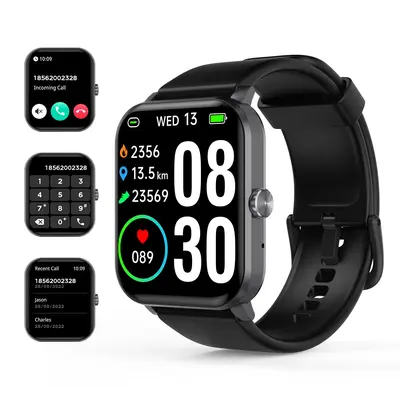
Credit: www.tiktok.com
Core Components
Understanding the core components of a smartwatch can help you appreciate how these compact devices deliver so much functionality. Each part plays a key role in making your smartwatch responsive, accurate, and long-lasting. Let’s break down these essential elements to see how they work together seamlessly on your wrist.
Processor And Memory
The processor acts like the brain of your smartwatch. It handles all the commands and runs your apps smoothly. A faster processor means quicker response times and better multitasking.
Memory is just as important. It stores your data and keeps apps running without lag. If you’ve ever noticed your watch slowing down after installing many apps, it’s likely because the memory is full or too small.
Sensors And Trackers
Sensors are the magic behind health and fitness tracking. They measure your heart rate, steps, sleep quality, and even blood oxygen levels. These tiny tools gather real-time data that helps you monitor your health effortlessly.
Trackers use this sensor data to provide insights. For example, your watch might suggest resting if your heart rate stays unusually high. Have you checked how accurate your watch’s step count is compared to your actual activity?
Display Technology
The display is your window to all the smartwatch functions. Most use OLED or AMOLED screens for vibrant colors and deep blacks, making your watch easy to read even in sunlight. Some models offer always-on displays so you never miss a notification.
Touchscreen capability adds convenience, letting you swipe through menus and apps quickly. Ever noticed how some screens react faster or look sharper? That’s the quality of the display technology at work.
Battery And Charging
Battery life is a critical factor in how useful your smartwatch feels daily. Most watches last from one to several days, depending on usage and features. Efficient batteries combined with smart power management can extend this time significantly.
Charging methods vary too. Wireless charging pads and magnetic chargers make powering up hassle-free. How often do you find yourself charging your watch, and could a longer battery life change how you use it?

Credit: www.youtube.com
Connectivity Features
Connectivity features define how your smartwatch interacts with other devices and services, making it a powerful extension of your smartphone or a standalone gadget. These connections allow you to receive notifications, track your location, and even make calls without pulling out your phone. Understanding these features helps you choose the right smartwatch and use it more effectively.
Bluetooth And Wi-fi
Bluetooth is the most common way your smartwatch connects to your phone. It uses low energy to sync notifications, messages, and music, keeping you updated without draining your battery quickly. Have you noticed how seamless it feels when your watch buzzes right after your phone rings? That’s Bluetooth working in the background.
Wi-Fi adds another layer of connectivity. When your watch is near a known network, it can connect independently to the internet. This means you can get updates or send messages even if your phone is out of Bluetooth range.
Gps Integration
GPS in smartwatches tracks your location accurately without needing your phone. This feature is a game-changer for runners and hikers who want real-time route tracking and distance measurement. Have you ever tried running with just your watch and realized how freeing it is to leave your phone behind?
GPS also powers location-based reminders and safety features, such as emergency location sharing. This adds practical value beyond fitness, helping you stay safe and organized throughout your day.
Cellular Capabilities
Some smartwatches come with built-in cellular connectivity, allowing them to work independently from your phone. You can make calls, send texts, and stream music directly from your wrist. Imagine leaving your phone at home but still staying reachable during a quick jog or a trip to the store.
Cellular smartwatches usually require a separate data plan, so consider whether you need this freedom or if Bluetooth and Wi-Fi suffice for your lifestyle. Would you pay extra for the convenience of a fully standalone device?
Operating Systems
Operating systems (OS) are the backbone of any smartwatch, controlling how it functions and interacts with you. They manage everything from the user interface to app performance and connectivity. Understanding the OS helps you pick a smartwatch that fits your lifestyle and tech preferences.
Popular Smartwatch Os
Several operating systems dominate the smartwatch market, each with unique features and compatibility.
- Wear OS by Google:Known for its smooth integration with Android phones, Wear OS offers a familiar Google experience with access to Google Assistant, Maps, and a variety of apps. It supports fitness tracking and notifications efficiently.
- watchOS by Apple:Exclusive to the Apple Watch, watchOS provides seamless syncing with iPhones. It’s praised for its intuitive design and robust health tracking features, including ECG and fall detection.
- Tizen OS by Samsung:Samsung’s Tizen offers a sleek interface and excellent battery life. It works well with Samsung phones and supports a wide range of health and utility apps.
- Fitbit OS:Focused on fitness and wellness, Fitbit OS powers Fitbit smartwatches. It’s great if you want detailed health data and easy-to-use workout tracking.
Have you noticed how your phone brand often influences your smartwatch choice? Compatibility plays a big role in the OS you’ll want.
App Ecosystem
The variety and quality of apps available on a smartwatch OS can make or break your experience. Apps extend your watch’s capabilities beyond basic timekeeping and fitness tracking.
Each OS has its own app store, but they differ in size and diversity:
| Operating System | App Availability | Popular Apps |
|---|---|---|
| Wear OS | Wide range of apps | Spotify, Strava, Google Keep |
| watchOS | Extensive and high-quality | Apple Music, Nike Run Club, Calm |
| Tizen OS | Moderate selection | Samsung Health, Uber, SmartThings |
| Fitbit OS | Focused on fitness apps | Fitbit Coach, Relax, MyFitnessPal |
Think about what apps you can’t live without on your phone. Does your preferred smartwatch OS support those apps? This could be the deciding factor in your choice.

Credit: www.youtube.com
Health Monitoring
Smartwatches have become essential tools for health monitoring. They track vital signs and daily activities. These devices gather data continuously and offer insights for better health decisions. The sensors inside work quietly yet effectively to keep users informed.
Heart Rate Sensors
Heart rate sensors use light to measure blood flow under the skin. They shine green LEDs on the wrist and detect changes in light absorption. This data helps track heartbeats per minute. Users see real-time heart rate during rest or exercise. Alerts can notify abnormal heart rates, aiding early detection of issues.
Sleep Tracking
Smartwatches monitor sleep by detecting movement and heart rate changes. They distinguish between deep, light, and REM sleep phases. This information helps users understand sleep quality. Sleep tracking supports better rest habits and overall well-being. Some models even suggest optimal wake-up times based on sleep cycles.
Activity And Fitness Tracking
These devices count steps, distance, and calories burned. They use accelerometers and gyroscopes to sense motion and direction. Users can set daily goals and track progress easily. Different exercise modes provide tailored data for running, cycling, or swimming. Activity tracking encourages a more active lifestyle and fitness improvement.
User Interaction
Touchscreens and buttons let users easily control smartwatches. Sensors detect taps, swipes, and gestures for smooth interaction. Simple menus show information clearly on the small screen.
User interaction is key to the smartwatch experience. It connects users to their devices, making technology accessible and intuitive. Smartwatches offer several ways to engage, ensuring convenience and ease of use.Touchscreen And Buttons
Smartwatches feature responsive touchscreens. Users tap or swipe to navigate apps. The screen is sensitive, allowing quick responses to gestures. This interaction mimics smartphone usage. Physical buttons complement touch controls. They offer shortcuts for specific functions. Pressing a button might open a menu or activate a feature. Combining touchscreen and buttons enhances user control.Voice Commands
Voice commands add hands-free convenience. Users speak to their smartwatch to perform tasks. This interaction is ideal for quick actions without touching the device. Voice recognition software understands different accents. It processes commands accurately. Users can set reminders, call contacts, or check the weather. This feature brings accessibility, especially when hands are busy.Haptic Feedback
Haptic feedback offers tactile interaction. It uses vibrations to alert users. When receiving notifications, smartwatches vibrate gently. This sensation is distinct, ensuring users don’t miss alerts. Different vibration patterns signal various types of notifications. Haptic feedback also enhances app interactions. It provides a physical response to virtual actions, enriching the user experience.Data Processing And Syncing
Smartwatches collect a lot of data from sensors and user inputs. Data processing and syncing help turn this raw data into useful information. This process happens quickly and smoothly, allowing users to see updates instantly. It also keeps the watch connected with other devices and cloud services.
Real-time Data Analysis
Smartwatches analyze data as it arrives from sensors. This includes heart rate, steps, or GPS location. The watch uses built-in software to process this data on the spot. Instant feedback helps users track their health and activities effectively. Real-time analysis also powers notifications and alerts.
Cloud Syncing
Data syncing sends information from the watch to the cloud. This allows users to access their data on phones or computers. Syncing happens through Wi-Fi or Bluetooth connections. Cloud storage keeps data safe and easy to retrieve. It also supports backup and long-term tracking.
Privacy And Security
Smartwatches protect user data through encryption methods. Data is encrypted during transfer and storage to prevent access by others. Users often control what data is shared and with whom. Secure syncing and privacy settings build user trust. Companies update software regularly to fix security issues.
Frequently Asked Questions
How Does A Smartwatch Track Health Metrics?
A smartwatch uses sensors like accelerometers and heart rate monitors to track health data. It measures steps, heart rate, sleep patterns, and more. This data helps users monitor fitness and overall wellness effectively.
What Technology Powers Smartwatch Notifications?
Smartwatches connect to smartphones via Bluetooth. They receive notifications such as calls, messages, and app alerts instantly. This seamless connectivity keeps users informed without checking their phones constantly.
How Do Smartwatches Measure Heart Rate?
Smartwatches use optical sensors that shine light on the skin. These sensors detect blood flow changes to calculate heart rate accurately. This method provides real-time heart monitoring during activities.
Can Smartwatches Work Without A Smartphone?
Some smartwatches have built-in cellular capabilities. They can make calls, send messages, and access apps independently. However, many features still rely on smartphone connection for full functionality.
Conclusion
Smartwatches connect to your phone and track your daily activities. They use sensors to monitor your health and movements. You can get messages and calls right on your wrist. Many models include GPS to help with navigation. Battery life varies but usually lasts a day or more.
These devices blend technology with convenience. Understanding how they work helps you use them better. Smartwatches offer simple ways to stay connected and healthy. They fit easily into everyday life. Easy to wear, easy to use.