
Are you struggling to open your Wi-Fi router 198 and don’t know where to start? You’re not alone.
Many people find it tricky to access their router’s settings or even physically open the device. But what if I told you that with a few simple steps, you can easily unlock your router and take full control of your internet connection?
In this guide, you’ll discover exactly how to open your Wi-Fi router 198 safely and quickly. Keep reading, because mastering this skill will give you the power to boost your network performance and fix common issues on your own.
Credit: setapp.com
Prepare Your Router
Preparing your Wi-Fi router is essential before opening or configuring it. Proper preparation ensures safety and prevents damage to the device. Taking simple steps helps you manage the router easily and avoid frustration.
Gather Necessary Tools
Collect tools needed to open your Wi-Fi router carefully. Common tools include:
- A small Phillips screwdriver
- A flathead screwdriver or plastic pry tool
- An anti-static wrist strap (optional but recommended)
- A clean cloth or mat to place the router on
Having these tools ready makes the process smoother and reduces the risk of damage.
Ensure Stable Power Supply
Make sure your router has a stable power source before working on it. Unplug the power cable to avoid electrical shock or short circuit. Avoid working near water or in damp places. Confirm the router is completely off before opening the case.
Connect To Your Router
Connecting to your Wi-Fi router is the first step to access its settings. You can connect using a wired or wireless method. Each way has its benefits. A stable connection helps avoid interruptions while making changes.
Use Wired Or Wireless Connection
A wired connection uses an Ethernet cable. It plugs into the router and your computer. This connection is stable and fast. It prevents signal loss during setup.
A wireless connection connects through Wi-Fi. Find your router’s network name on your device. Enter the Wi-Fi password if needed. Wireless is more convenient but may be less stable.
Find Router’s Ip Address
The router’s IP address lets you open its settings page. It usually looks like 192.168.1.1 or 192.168.0.1. To find it on Windows:
- Open Command Prompt.
- Type
ipconfigand press Enter. - Look for “Default Gateway” under your network connection.
On Mac:
- Open System Preferences.
- Select Network and your connection type.
- Click Advanced, then TCP/IP tab to see router IP.
Use this IP address in your web browser to open the router login page.
Access Router Login Page
Accessing the router login page is the first step to manage your Wi-Fi Router 198 settings. Without reaching this page, you won’t be able to change passwords, update firmware, or adjust network configurations. It’s simpler than you might think, but requires careful attention to detail.
Open Web Browser
Start by opening your preferred web browser. This can be Chrome, Firefox, Safari, or any browser you usually use. The router’s login page is a web-based interface, so a browser is essential to access it.
Ensure your device is connected to the router’s network. If you’re offline or connected to a different network, the login page won’t load. Connecting via Wi-Fi or Ethernet cable works equally well.
Enter Ip Address Correctly
Type the router’s IP address directly into the browser’s address bar. Common addresses include 192.168.1.1or 192.168.0.1, but it might differ for your model. Check your router’s label or manual if unsure.
Be precise—use dots, not commas, and avoid spaces. An incorrect IP address will either show an error or lead to a different page. If the page doesn’t load, verify the IP address using your device’s network settings.
Enter Login Credentials
Entering login credentials is the key to accessing your Wi-Fi router’s settings. Without the correct username and password, you won’t be able to make changes or troubleshoot your connection. This step might seem tricky at first, but once you know where to find your details, it becomes straightforward.
Default Username And Password
Most routers come with a default username and password set by the manufacturer. You can usually find these printed on a sticker attached to the router itself. Common defaults include:
- Username:admin
- Password:admin or password
If you haven’t changed these credentials before, try using the default ones. It’s surprising how often people overlook this simple step and think their router is broken.
Reset Credentials If Needed
If the default username and password don’t work, someone might have changed them. Don’t panic—there’s an easy fix. You can reset your router to factory settings by pressing and holding the reset button for about 10 seconds.
Keep in mind this will erase all your custom settings, including your Wi-Fi name and password. After the reset, use the default login details to enter the router’s setup page again. Have you ever lost your router password and felt stuck? Resetting can save you time and frustration.
Navigate Router Settings
Navigating your router settings is essential for customizing your Wi-Fi network to fit your needs. This process lets you control who accesses your network and how it operates. If you want better security or a more recognizable network name, diving into these settings is the way to go.
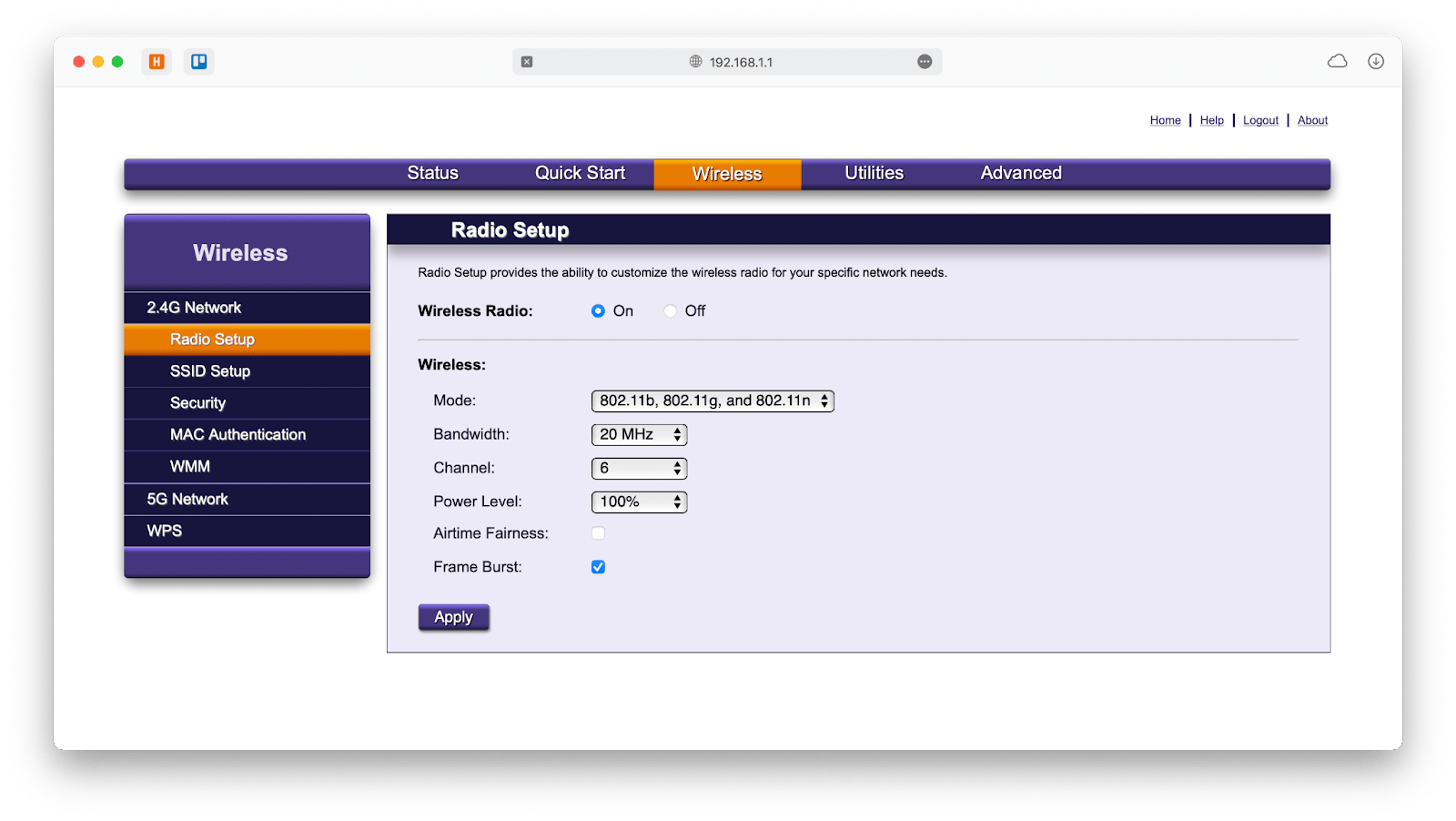
Locate Wireless Settings
After logging into your router’s control panel, look for the section labeled “Wireless” or “Wi-Fi.” This is where you’ll find all the options related to your network’s signal and security.
The location of wireless settings can vary between router brands, but it’s typically found in the main menu or under a “Network” tab. If you don’t see it right away, check the sidebar or dropdown menus.
Have you ever wondered why your Wi-Fi sometimes drops or feels slow? Adjusting settings like the channel or frequency band here can help improve your connection quality.
Modify Network Name And Password
Changing your network name (SSID) and password strengthens your Wi-Fi security and makes your network easier to identify. Within the wireless settings, locate the fields for “SSID” and “Password” or “Security Key.”
Pick a network name that stands out but doesn’t reveal personal info. For the password, use a strong combination of letters, numbers, and symbols to keep intruders out.
Have you ever connected to a public Wi-Fi and worried about safety? Setting a strong password on your home router prevents unauthorized access and protects your personal data effectively.

Credit: www.youtube.com
Troubleshoot Access Issues
Access your Wi-Fi router by entering “192. 168. 1. 1” in your browser’s address bar. Check your username and password for login. If you face issues, reset your router or consult your manual for assistance.
Troubleshooting access issues with your Wi-Fi router can be a frustrating experience. Whether it’s an unexpected error message or a stubborn connection problem, it can feel like you’re stuck in a maze. However, there are simple steps you can take to resolve these issues and regain control of your network. Let’s dive into practical solutions that can help you access your router seamlessly.Check Connection Problems
Begin by examining your physical connections. Ensure that your router is properly plugged in and all cables are securely connected. A loose cable can disrupt your network. Next, verify your internet connection. Check if other devices connected to the same network are experiencing issues. Sometimes, the problem isn’t your router, but rather the internet service itself. Consider rebooting your router. Turning it off for a few seconds and then back on can often clear up minor glitches. This simple step can be surprisingly effective in restoring your connection.Reset Router To Factory Settings
If connection issues persist, resetting your router to factory settings might be necessary. This step can resolve many stubborn problems, but use it cautiously—resetting will erase your current settings. Locate the reset button on your router. It’s usually a small, recessed button that requires a pin or paperclip to press. Hold it down for about 10 seconds. After resetting, you’ll need to set up your router again. Use the default login credentials found on the router or its manual. This process can feel tedious, but it’s a fresh start for your network. Have you ever wondered why routers sometimes need a complete reset? It’s like a hard reboot for your device, clearing out any persistent errors that simple fixes couldn’t touch.Secure Your Router
Securing your Wi-Fi router is essential to protect your internet connection. A secure router keeps hackers out and your data safe. Simple changes can make a big difference in your network safety.
Change Default Passwords
Default passwords are easy targets for hackers. Change your router’s admin password right after setup. Use a strong password with letters, numbers, and symbols. Avoid common words or simple patterns. This step stops strangers from accessing your router settings.
Enable Network Encryption
Encryption scrambles your internet data to keep it private. Enable WPA3 or WPA2 encryption in your router settings. These options protect your Wi-Fi from unauthorized access. Open networks without encryption put your data at risk. Secure encryption helps keep your connection safe and private.

Credit: www.youtube.com
Frequently Asked Questions
How Do I Access My Wi-fi Router 198 Interface?
To access your Wi-Fi router 198, open a web browser and enter 192. 168. 1. 198 in the address bar. Then, log in using your router’s username and password to manage settings.
What Is The Default Login For Router 198?
The default login credentials for router 198 are usually “admin” for both username and password. Check your router’s label or manual if these don’t work.
How Can I Reset My Wi-fi Router 198?
Press and hold the reset button on your router for 10 seconds. This restores factory settings, allowing you to set up your router again from scratch.
Why Can’t I Open My Wi-fi Router 198 Page?
Ensure your device is connected to the router’s network. Also, check if 192. 168. 1. 198 is the correct IP address for your router.
Conclusion
Opening your Wi-Fi router 198 is easier than it seems. Just follow the steps carefully. Always turn off the router before opening it. Use the right tools to avoid damage. Be gentle with the internal parts inside. This guide helps you understand the process clearly.
Now, you can check or fix your router safely. Keep your router clean and well-maintained for better performance. Simple steps lead to better Wi-Fi experience at home.