
Are you curious if Apple Fitness can help you track your calories accurately? Knowing how many calories you burn is key to reaching your health and fitness goals.
But with so many devices and apps out there, it’s hard to know which ones really deliver. You’ll discover exactly how Apple Fitness tracks calories and whether it gives you the clear, reliable info you need. Keep reading to find out how this popular tool can support your journey to a healthier you.

Credit: www.reddit.com
Apple Fitness And Calorie Tracking
Apple Fitness offers a detailed approach to tracking your calorie burn, helping you understand how your body uses energy throughout the day. Whether you’re doing a high-intensity workout or just moving around, Apple Fitness captures this data to keep you informed. Understanding how it measures and categorizes calories can help you make smarter choices about your fitness goals.
How Apple Fitness Measures Calories
Apple Fitness uses a combination of sensors and algorithms to estimate calories burned. Your Apple Watch tracks your heart rate, movement, and exercise intensity to calculate active calories.
It also factors in your personal details like age, weight, height, and gender to improve accuracy. The device distinguishes between calories burned from activity and those burned at rest, which is crucial for setting realistic targets.
Have you noticed how your calorie count changes with different workouts? This happens because Apple Fitness adjusts its calculations based on the type and intensity of the exercise.
Types Of Calories Tracked
Apple Fitness breaks down calorie tracking into two main categories:
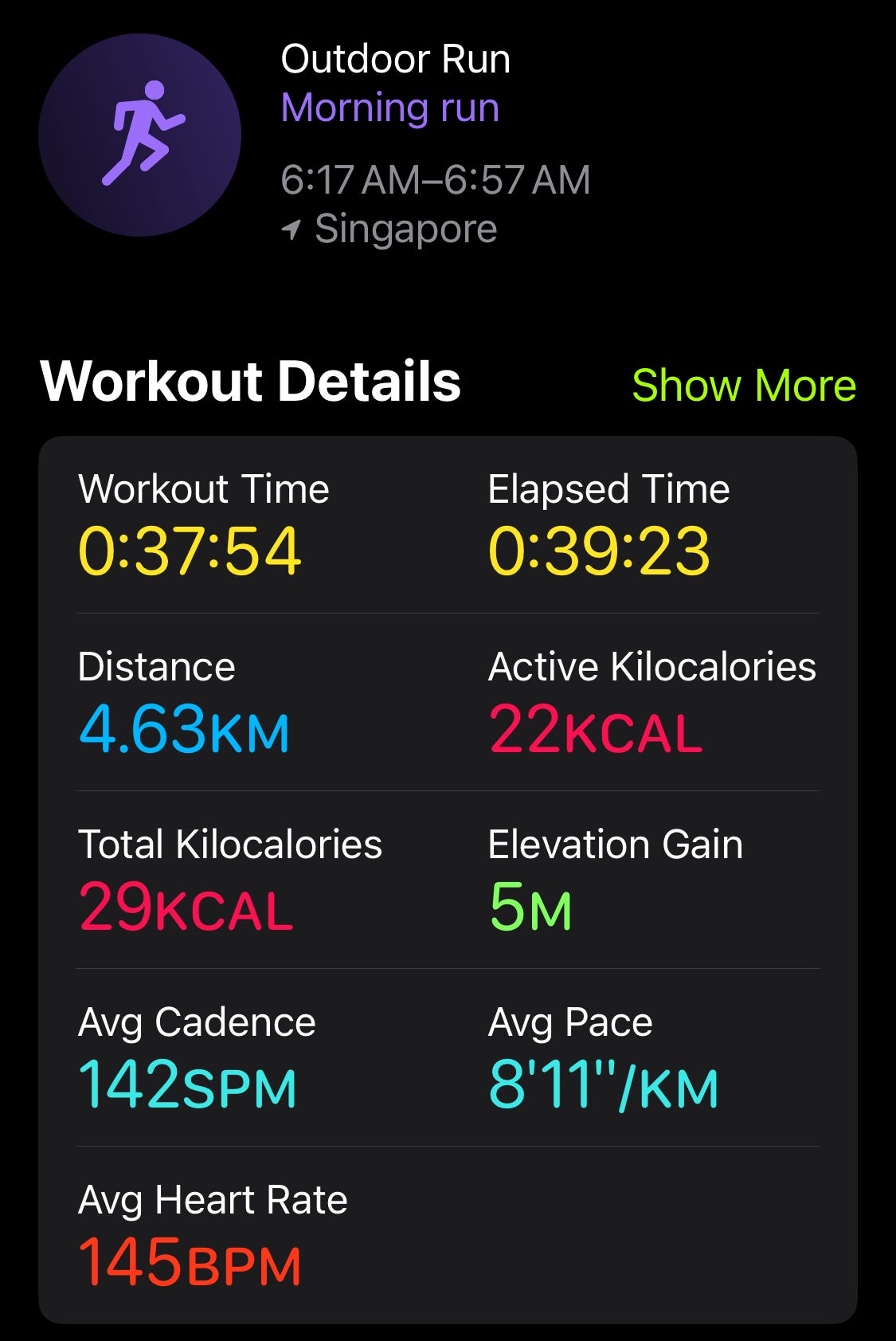
- Active Calories:These are calories burned during physical activities such as walking, running, or strength training. They reflect how much energy you expend moving your body.
- Resting Calories:These represent the calories your body uses to maintain vital functions like breathing and digestion when you’re not active.
Tracking both types gives you a full picture of your daily energy expenditure. This split helps you understand how much of your calorie burn comes from workouts versus everyday activities.
Have you ever thought about how many calories you burn just by living? Apple Fitness makes this visible, encouraging you to stay active beyond your formal exercise sessions.

Credit: www.facebook.com
Factors Affecting Calorie Accuracy
Calorie accuracy on Apple Fitness depends on several factors. These elements influence how closely the calorie count matches actual energy burned. Understanding these factors helps users trust and interpret their fitness data better.
Many variables affect how the Apple Fitness app calculates calories. These range from biological signals to user inputs and workout types. Each plays a role in shaping the final calorie estimate you see.
Role Of Heart Rate Monitoring
Apple Fitness uses heart rate data to estimate calories burned. A higher heart rate usually means more energy used. The watch tracks your pulse continuously during activities. This helps adjust calorie counts in real-time. Accuracy depends on how well the watch reads your heart rate. Factors like skin tone and fit can affect the sensor’s performance.
Impact Of Personal Data
The app asks for personal details to improve calorie estimates. Age, weight, height, and gender all matter. These details help the algorithm understand your metabolism. More accurate personal data leads to better calorie tracking. Entering incorrect information can cause errors in calorie counts.
Activity Type And Intensity
Different exercises burn calories at different rates. Running burns more calories than walking at the same time. The app detects the type of activity through motion sensors. Intensity also changes calorie burn; harder efforts use more energy. Some activities are harder to track accurately, like weightlifting. The app uses standard formulas to estimate these calories.
Comparing Apple Fitness To Other Trackers
Apple Fitness offers a solid option for tracking calories burned during workouts. Many fitness trackers share this feature, but they differ in accuracy and ease of use. Comparing Apple Fitness with other popular trackers helps understand its value. This comparison covers how well it measures calories and where it excels or falls short.
Accuracy Benchmarks
Apple Fitness uses sensors and algorithms to estimate calories burned. Studies show it performs well in steady-state cardio activities like running or cycling. It tends to be less accurate during strength training or high-intensity interval training.
Other trackers, such as Fitbit and Garmin, use similar technology but vary in precision. Fitbit often provides slightly better calorie estimates during daily activities. Garmin devices excel in outdoor sports and offer detailed calorie data.
| Tracker | Cardio Accuracy | Strength Training Accuracy | Daily Activity Tracking |
|---|---|---|---|
| Apple Fitness | Good | Moderate | Good |
| Fitbit | Good | Moderate | Very Good |
| Garmin | Very Good | Good | Good |
Strengths And Weaknesses
- Apple Fitness Strengths:Smooth app integration, easy interface, reliable heart rate data.
- Apple Fitness Weaknesses:Limited strength training tracking, fewer customization options.
- Fitbit Strengths:Strong daily activity tracking, good community features.
- Fitbit Weaknesses:Battery life can be shorter.
- Garmin Strengths:Excellent GPS, detailed outdoor activity data.
- Garmin Weaknesses:Interface can be complex for beginners.
Improving Calorie Tracking Accuracy
Tracking calories accurately with Apple Fitness can greatly enhance your workout results and help you reach your health goals faster. However, the device’s calorie estimates depend heavily on how well it understands your body and activity levels. Small adjustments on your end can make a big difference in getting more precise calorie counts.
Calibrating Your Device
Calibration helps your Apple Watch understand your unique movement patterns. You can improve accuracy by walking or running outdoors with GPS enabled for about 20 minutes. This process teaches the watch your stride length and pace, which results in better calorie calculations during future workouts.
Have you noticed your calorie burn seems off after a workout? Recalibrating often clears up those discrepancies, especially if you switch between different types of exercises.
Updating Personal Information
Your Apple Fitness calorie tracking relies on personal data like age, weight, height, and gender. Make sure this information is always current in the Health app. Changes like weight loss or muscle gain can significantly impact how many calories your body burns.
Try updating your details every few months or after a major lifestyle change to keep the data relevant. This simple step can improve the accuracy of your daily calorie estimates.
Using Third-party Apps
Apple Fitness works well on its own, but sometimes third-party apps can fill in gaps. Apps like MyFitnessPal or Lose It! sync with Apple Health to provide detailed food logging and better calorie tracking. They can also adjust for meals and snacks, which Apple Fitness doesn’t track directly.
Have you tried combining apps for a fuller picture of your calorie balance? Using multiple tools can help you understand how your diet and exercise work together to affect your energy levels.
Common Misconceptions About Calorie Counts
When you think about counting calories, you might assume the numbers are accurate and straightforward. However, there are many misconceptions surrounding calorie counts, especially with fitness apps like Apple Fitness. Understanding these misconceptions can help you better manage your health and fitness goals.
Overestimation And Underestimation
Many people believe that the calorie counts provided by fitness trackers are precise. But the truth is, they can often be off by quite a bit. This is because these trackers use algorithms to estimate your calorie burn based on averages, not your unique body composition or activity level.
Have you ever felt like you’ve worked out hard, only to find the calorie count is disappointingly low? Or conversely, did the tracker show a surprisingly high number after a light session? These inconsistencies can lead to either overestimating or underestimating your energy expenditure, causing confusion and potentially hindering your fitness progress.
Consider this: If your tracker shows you burned 500 calories but you actually burned 400, this overestimation might lead you to consume more calories than your body needs, affecting weight management goals. On the flip side, underestimations might lead to unnecessary restrictions. How do you ensure you’re on the right track?
The Role Of Basal Metabolic Rate
Your basal metabolic rate (BMR) plays a significant role in calorie counting. BMR is the number of calories your body needs to maintain basic physiological functions like breathing and digestion while at rest. Many fitness trackers don’t account for BMR accurately, leading to flawed calorie calculations.
Understanding your BMR can provide a clearer picture of your daily energy needs. Knowing this, you can better assess whether the calorie counts from your fitness tracker align with your actual requirements. Have you taken time to learn about your BMR and adjust your fitness goals accordingly?
Think about this: If your tracker doesn’t factor in BMR correctly, your daily calorie targets might be skewed. This can impact your results, whether you’re aiming to lose weight, gain muscle, or maintain a healthy lifestyle. By recognizing your BMR’s importance, you can take a more informed approach to your fitness journey.
In the end, while Apple Fitness provides helpful data, understanding the nuances of calorie counting can empower you to make more accurate and effective health decisions. Are you ready to dive deeper into your personal fitness metrics and optimize your health journey?
Real User Experiences
Real user experiences offer valuable insight into how well Apple Fitness tracks calories in everyday use. Hearing directly from people who rely on the app can reveal its strengths and limitations. This helps you decide if it fits your personal fitness goals and lifestyle.
Success Stories
Many users report that Apple Fitness provides accurate calorie counts during a variety of workouts, from running to yoga. One user shared how tracking calories with the app helped them lose 15 pounds over three months by adjusting their diet based on the data.
Another person praised the seamless integration with Apple Watch, making it easy to monitor calorie burn without extra gadgets. They noted the motivation boost from seeing daily progress and how it encouraged them to stay active.
Some users also appreciate the personalized coaching and reminders, which help maintain consistent calorie tracking. Have you noticed how small nudges can keep you focused on your fitness goals?
Reported Issues
Not all experiences are perfect. A common complaint is that the calorie estimates can sometimes be off, especially for strength training or less common activities. Users say this makes it hard to trust the numbers completely.
Others mention that inaccurate heart rate readings—often caused by loose watch straps—can lead to misleading calorie counts. This raises the question: how much do you rely on wearable tech accuracy for your fitness decisions?
Some users find the calorie tracking less useful if they don’t wear the Apple Watch consistently. Without continuous data, the app can’t provide a full picture of calorie burn throughout the day.
Future Of Calorie Tracking In Apple Fitness
The future of calorie tracking in Apple Fitness looks promising as the platform continues to evolve with technology and user needs. Apple is focused on making calorie tracking not just accurate but also more personalized and useful for your health journey. This means you can expect smarter features that adapt to your lifestyle and goals.
Upcoming Features
Apple is working on enhancing calorie tracking by using advanced sensors and machine learning. This could mean better detection of different types of activities and more precise calorie estimates. Imagine your Apple Watch recognizing a new workout style automatically and adjusting your calorie count accordingly.
Another exciting feature on the horizon is real-time calorie feedback during workouts. This can help you adjust your intensity on the fly, making your exercise sessions more effective. Wouldn’t it be great to get instant suggestions on whether you should push harder or cool down based on your calorie burn?
Integration With Health Ecosystem
Apple Fitness is becoming more connected with other health apps and devices, creating a unified view of your wellness. This integration means your calorie data will be combined with nutrition, sleep, and activity information to give you a clearer picture of your overall health.
For example, your calorie intake from a food logging app might sync with your calorie burn data, helping you balance energy more effectively. This seamless integration encourages smarter decisions every day, making it easier to stay on track without juggling multiple apps.
Credit: medium.com
Frequently Asked Questions
Does Apple Fitness Accurately Track Calories Burned?
Apple Fitness uses your heart rate and movement data to estimate calories burned. It provides reasonably accurate results for most users during workouts and daily activities.
Can Apple Fitness Track Calories For All Workout Types?
Yes, Apple Fitness tracks calories for various workouts like running, cycling, yoga, and strength training. It adjusts calorie estimates based on the workout type and intensity.
How Does Apple Fitness Calculate Active Calories?
Active calories are calculated using your heart rate, motion, and personal data like age, weight, and height. This helps Apple Fitness provide personalized calorie burn estimates.
Is Apple Fitness Calorie Tracking Better With Apple Watch?
Yes, Apple Watch enhances calorie tracking accuracy by continuously monitoring your heart rate and movement during exercises and daily activities.
Conclusion
Apple Fitness does track calories during your workouts. It shows active and total calories burned. This helps you understand your daily energy use. Tracking calories can motivate you to stay active. The data is easy to read and use. It works well with other Apple Health features.
You can set goals and watch progress. Overall, Apple Fitness supports a healthier lifestyle. Try it to see how it fits your needs. Simple and clear calorie tracking makes fitness easier.