
Are you planning to travel with your camera but unsure if it’s safe to pack it in your carry-on bag? You might worry about security checks, damage, or even losing your precious gear.
The good news is, knowing the right rules and tips can make a big difference. You’ll discover exactly what you need to know about bringing cameras in your carry-on bag. Keep reading to protect your equipment and enjoy stress-free travel every time.
Credit: www.theodist.com
Carry-on Camera Policies
Knowing the rules about carrying cameras in your carry-on bag can save you time and stress at the airport. Different airlines and security agencies have specific policies that you must follow. Understanding these can help you keep your camera safe and avoid delays.
Airline Regulations
Most airlines allow cameras in carry-on bags, but there are some limits on size and weight. Check your airline’s website before packing to avoid surprises at the gate. Some airlines require you to remove camera batteries and carry them separately due to fire safety rules.
Do you know your airline’s specific rules about camera gear? You might find that certain lenses or tripods need special handling or must be checked in.
Security Screening Procedures
At airport security, you will likely need to take your camera out of your bag for inspection. This helps security officers get a clear look at the device and prevents damage to your equipment. Always place your camera in a bin separately from other electronics and liquids.
Remember, keeping your camera easily accessible means a smoother security check. Have you ever had your camera bag opened for extra screening? Being prepared can make this process quicker and less stressful.

Credit: www.amazon.com
Packing Cameras Safely
Packing cameras safely is essential to protect your gear during travel. Cameras are delicate and can get damaged easily. Proper packing reduces the risk of scratches, dents, or broken parts. It also keeps your equipment ready to use when you reach your destination.
Protective Cases And Padding
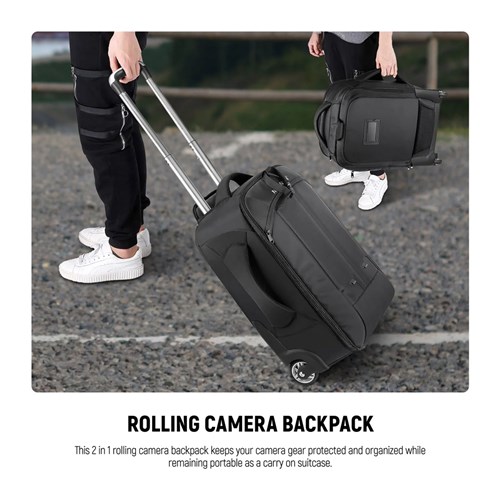
Use a hard or padded case to keep your camera safe. These cases absorb shocks and prevent damage. Foam inserts help hold the camera firmly in place. Wrap lenses and other fragile parts with soft cloth or bubble wrap. This extra layer of protection guards against bumps and drops.
Choose cases designed for cameras, not just general bags. They offer better support and organization. Avoid loose packing that lets items move around inside the bag.
Organizing Accessories
Keep camera accessories in separate compartments or small pouches. This stops them from scratching the camera or each other. Organize items like batteries, memory cards, and chargers carefully. Place cables and cords in zippered pockets to avoid tangling.
Label pouches or use clear bags for quick access. Proper organization saves time and prevents loss during travel. It also helps maintain a clean and tidy carry-on bag.
Camera Batteries And Electronics
Cameras and their batteries can usually be carried in carry-on bags during flights. Airlines often restrict lithium batteries in checked luggage for safety. Keeping cameras in carry-on bags helps protect them from damage and ensures compliance with airline rules.
Camera Batteries and Electronics play a crucial role in travel preparation. When packing cameras for carry-on bags, understanding battery restrictions and handling chargers and cables is vital. Proper preparation ensures a hassle-free journey and protects valuable electronics from damage.Battery Restrictions
Airlines have specific rules for carrying camera batteries. Lithium-ion batteries are common in cameras but have restrictions. Typically, they must be carried in the cabin, not checked luggage. This is due to their flammable nature. It’s important to check the watt-hour rating. Batteries under 100Wh are usually allowed without issue. For larger batteries, consult the airline’s policy. Always store batteries in protective cases. This prevents short-circuiting and potential hazards.Handling Chargers And Cables
Chargers and cables are essential for electronics. Organizing them properly can save time and stress. Use cable organizers or pouches to keep them tidy. Avoid tangling by wrapping cables neatly. Ensure chargers are compatible with international outlets. A universal adapter is a wise investment. It ensures your gear stays powered anywhere. Label chargers to avoid confusion among similar devices. This simple step can prevent unnecessary delays. Always pack spare cables in case of damage or loss.Tips For Hassle-free Security Checks
Traveling with cameras in carry-on bags requires smooth security checks. Knowing simple tips helps avoid delays and stress. Clear preparation and understanding the process make your journey easier.
Preparing Your Camera For Inspection
Keep your camera easily accessible in your carry-on bag. Use a padded camera case that opens quickly. Remove lens caps and straps before the check. Place batteries in a separate pouch if possible. Pack memory cards in a small, clear container. Avoid overpacking your bag to allow quick inspection. Label your camera gear to speed up identification.
What To Expect At The Checkpoint
Security officers may ask you to take the camera out. You might need to place it in a separate bin. Expect your camera to go through the X-ray machine. Officers could ask questions about your camera gear. They might inspect lenses and accessories more closely. Be patient and follow the instructions calmly. A smooth attitude helps the process move faster.
International Travel Considerations
Traveling internationally with cameras requires careful planning. Different countries have unique rules about carrying camera gear in carry-on bags. Understanding these rules helps avoid delays and fines at airports. Checking customs regulations before your trip ensures a smooth journey. Awareness about what you can carry protects your equipment and peace of mind.
Country-specific Rules
Every country sets its own rules for carrying cameras in carry-on bags. Some allow all types of cameras without restrictions. Others limit battery sizes or the number of devices you can bring. Certain countries require cameras to be removed from bags during security checks. Research your destination’s airport security guidelines before packing.
- Check airline policies on camera equipment.
- Look for battery size limits, especially lithium batteries.
- Be ready to show cameras separately at security.
- Pack equipment securely to avoid damage during inspections.
Customs Declarations
Declaring your camera gear at customs may be necessary in some countries. High-value cameras or professional equipment might require declaration. Failing to declare can lead to confiscation or fines. Keep purchase receipts handy to prove ownership and value. Some travelers use a temporary import form for expensive gear. This form helps avoid extra taxes or duties when leaving the country.
- Declare expensive cameras or lenses at customs.
- Carry receipts or proof of purchase.
- Ask about temporary import forms for professional gear.
- Follow customs officers’ instructions carefully.
Alternative Options For Camera Transport
Transporting your camera gear can be tricky, especially if you’re worried about damage or loss. While carrying your camera in a carry-on bag is often the safest choice, sometimes you need other options. Understanding these alternatives helps you protect your equipment and keep shooting on the go.
Checked Luggage Risks
Putting your camera in checked luggage might seem convenient, but it carries real risks. Bags get tossed around during loading and unloading, increasing the chance of damage to delicate gear. There’s also a higher risk of theft or loss since checked bags are out of your sight.
If you must check your camera, use a hard case with plenty of padding. Remove batteries and lenses if possible, and lock your case with TSA-approved locks. Still, ask yourself: is the convenience worth the potential heartbreak of damaged or missing equipment?
Shipping Equipment Ahead
Shipping your camera gear to your destination can be a smart alternative, especially for long trips or when carrying heavy equipment. This method reduces the weight you carry through airports and can lower stress during travel. However, it requires planning and reliable courier services.
Choose a trusted shipping company that offers tracking and insurance. Pack your gear securely with foam inserts or bubble wrap to prevent movement inside the box. Have you considered how early you need to send your equipment to avoid last-minute issues?

Credit: www.reddit.com
Frequently Asked Questions
Can I Carry Cameras In My Carry-on Bag?
Yes, cameras are allowed in carry-on bags by most airlines. Always check airline policies before traveling to avoid issues. Keep your camera accessible for security screening.
Are Camera Batteries Allowed In Carry-on Luggage?
Camera batteries are generally allowed in carry-on bags. Airlines often restrict spare lithium batteries in checked luggage. Carry batteries in original packaging or insulated cases for safety.
Can I Bring Camera Lenses In A Carry-on?
Yes, camera lenses can be carried in carry-on bags. Protect lenses with padded cases to prevent damage. Carry them separately for easy inspection during security checks.
Do I Need To Remove My Camera At Security?
Usually, you don’t need to remove the camera from your bag. However, security officers may ask you to take it out for inspection. Keep your camera easily accessible to speed up screening.
Conclusion
Cameras can usually go in carry-on bags without trouble. Airlines want you to keep valuable items close. Packing your camera carefully helps protect it from damage. Remove batteries or memory cards if needed for security checks. Always check airline rules before you fly to avoid surprises.
Carrying your camera on board keeps it safe and ready. Travel smart and enjoy capturing your best moments. Simple steps make your journey smooth and worry-free.