
Are you thinking about upgrading your home entertainment but can’t decide between a projector and a TV? You’re not alone.
Choosing the right screen can change how you enjoy movies, games, and shows every day. Imagine watching your favorite film on a giant screen that fills your entire room—sounds amazing, right? But what about picture quality, brightness, and ease of use?
You’ll discover the key differences between projectors and TVs, so you can find out which one truly fits your lifestyle and gives you the best viewing experience. Keep reading to make a choice you’ll love.
Picture Quality Comparison
Picture quality plays a crucial role when deciding between a projector and a TV. Both devices aim to deliver clear, vibrant images but do so through different technologies. Understanding the differences in resolution, color accuracy, brightness, and contrast ratio can help you pick the right option for your viewing experience.
Resolution And Sharpness
Resolution defines how many pixels an image contains, directly affecting its sharpness. Most modern TVs offer 4K resolution, providing crisp and detailed visuals right out of the box. Projectors vary widely; some high-end models also support 4K, but many affordable options stick to 1080p or lower.
If you watch a lot of content with fine details—like sports or nature documentaries—you might notice a TV’s sharper image more easily. However, if you sit further away from the screen, the difference in sharpness becomes less obvious, and a projector’s larger image size can feel more immersive despite slightly lower resolution.
Color Accuracy
Color accuracy impacts how true-to-life the image appears. TVs typically deliver more consistent and accurate colors due to advanced display panels and color calibration done by manufacturers. Projectors, on the other hand, depend heavily on the type of lamp and screen surface, which can affect color vibrancy and accuracy.
In my experience, using a projector in a well-controlled lighting environment with a quality screen can produce rich colors that rival TV displays. Yet, if you want pinpoint color precision for tasks like photo editing or watching movies as the director intended, a TV may serve you better.
Brightness Levels
Brightness determines how well you can see the image in different lighting conditions. TVs shine in this area, often reaching brightness levels that make them viewable even in bright rooms. Projectors generally struggle in well-lit spaces because their light output has to compete with ambient light.
Think about your typical viewing environment: If you plan to watch in a dark room, a projector’s brightness can be sufficient and create a cinematic feel. But if your room has lots of natural light, a TV might be a safer bet to maintain image visibility without needing to dim the lights.
Contrast Ratio
Contrast ratio refers to the difference between the darkest blacks and brightest whites. TVs usually have higher contrast ratios, especially OLED models, producing deep blacks and vibrant images. Projectors, especially those using LCD or DLP technology, often face challenges delivering true blacks because some light leaks through the lens.
Have you ever noticed how a TV can make shadows and dark scenes pop while a projector sometimes looks washed out? This difference can affect your enjoyment of movies and games where contrast adds depth and realism. However, advanced projectors with dynamic iris technology are narrowing this gap.
Screen Size And Viewing Experience
The size of your screen directly shapes how you enjoy movies, games, and shows. Choosing between a projector and a TV often boils down to how large you want your picture and what kind of experience you crave. Your living space, seating arrangement, and viewing habits all play a part in this decision.
Maximum Screen Size Options
Projectors can display images anywhere from 80 inches to over 300 inches diagonally. This means you can create a home theater experience that dwarfs even the largest TVs. Most TVs top out around 85 to 100 inches, and those models can be very expensive.
Think about the last time you watched a big game or movie. Would a 120-inch screen have made you feel more involved? Projectors offer that kind of scale without breaking the bank, if your room size allows.
Immersive Viewing Benefits
A bigger screen naturally pulls you in, but it’s also about how the image fills your field of vision. Projectors can create a more immersive atmosphere, especially in dim rooms where the image feels like it’s part of the environment. This can make you forget you’re watching on a screen at all.
TVs offer sharper images and brighter displays, which matter if you watch during the day or in a well-lit room. However, sitting closer to a large projector screen often enhances the feeling of being inside the action. Have you ever felt like you were really ‘there’ in a movie? That’s the power of scale and immersion.
Space Requirements
Projectors need a wall or screen large enough for their image and a certain distance from the projector itself. You’ll want to measure your room to see if it can handle a big picture without feeling cramped. Also, consider where your furniture sits and if you can control ambient light.
TVs are more compact and don’t require empty wall space, making them easier to fit into smaller rooms. But if you want a truly cinematic experience, you might have to rearrange your space for a projector setup. How much room do you really have to dedicate to your viewing area?
Sound Performance
Sound performance plays a crucial role when choosing between a projector and a TV. While picture quality often grabs the spotlight, the audio experience can make or break your viewing pleasure. Understanding how each device handles sound will help you decide what suits your setup best.
Built-in Speaker Quality
Most projectors come with built-in speakers, but their sound quality tends to be basic. The small size of these speakers limits volume and clarity, often resulting in tinny or muffled audio. If you rely solely on a projector’s internal speakers, you might miss out on the rich, immersive sound TVs usually provide.
On the other hand, many modern TVs feature advanced built-in speakers with better bass and surround sound capabilities. Some even include Dolby Atmos support, delivering theater-like audio without extra equipment. Have you noticed how much clearer dialogue and effects sound on your TV compared to a projector?
External Audio Compatibility
Projectors often shine in flexibility when it comes to external audio options. Most come with audio output ports like HDMI ARC, optical, or 3.5mm jacks, allowing you to easily connect soundbars, home theater systems, or Bluetooth speakers. This means you can tailor your sound setup to match your room and budget.
TVs also support external audio devices, but their built-in sound quality might reduce the urgency to upgrade your setup. However, if you crave a cinema-like experience, pairing a projector with a quality sound system can transform your space. Have you tried connecting your projector to a soundbar? It’s a game changer for movie nights.
Installation And Setup
Setting up a projector or TV can impact your viewing experience greatly. Installation and setup vary between these devices. Understanding these differences helps in choosing the right option for your space and needs.
Ease Of Setup
TVs are usually simpler to install. Just plug in the power and connect your devices. Most TVs come with stands or wall mounts that are easy to attach. Projectors often require more adjustments. You need to align the image, focus, and sometimes install a screen. Wiring may be more involved, especially for ceiling mounts.
Placement Flexibility
Projectors offer more flexibility in placement. You can place them on a table, shelf, or ceiling. The image size can be changed by moving the projector closer or farther from the screen. TVs have fixed screen sizes and usually need a solid surface or wall mount. Their placement is less versatile, limited by space and viewing angles.
Portability
Projectors are generally more portable than TVs. Many models are compact and lightweight. You can easily move them between rooms or even outdoors. TVs tend to be heavier and bulkier. Moving a TV requires more care and effort. Projectors allow for temporary setups in different locations without hassle.
Cost And Maintenance
Projectors usually cost less upfront but may need bulb replacements, adding to maintenance. TVs require less upkeep and often last longer without extra costs.
When deciding between a projector and a TV, cost and maintenance are often pivotal factors. Projectors can offer a cinematic experience, but how does that compare to the reliable TV in terms of expenses and upkeep? Let’s delve into the financial aspects and care required for each option.Initial Purchase Price
Projectors can range from budget-friendly models to high-end home cinema setups. While some entry-level projectors might be cheaper than TVs, the high-quality projectors often exceed the cost of a mid-range TV. TVs, on the other hand, offer a broad spectrum of prices based on size and brand, making it easier to find something within your budget. You might find that a projector’s allure lies in its large screen, but remember, you’ll need to factor in additional costs such as screens and mounts.Long-term Maintenance
Maintaining a projector can require more attention than a TV. Dust accumulation and ventilation issues can affect performance over time, necessitating regular cleaning and care. Conversely, TVs generally require minimal upkeep. They’re often plug-and-play devices with straightforward maintenance like occasional screen cleaning. This ease of care might appeal to those who prefer less hassle.Lamp And Part Replacement
Projectors have lamps that need replacing after a certain number of hours. This can add to ongoing costs, but it varies widely depending on the projector model and usage. Some modern projectors come with longer-lasting LED lamps, reducing the frequency of replacements. TVs typically don’t require part replacement unless a fault occurs, which might make them more appealing for users seeking low maintenance. However, consider the lifespan of both technologies—while lamps in projectors need periodic attention, the longevity of a TV screen might also prompt eventual upgrades. In weighing these factors, ask yourself what fits your lifestyle best. Would you prefer the hands-off approach of a TV, or are you drawn to the potential immersive experience of a projector, even if it means a bit more upkeep?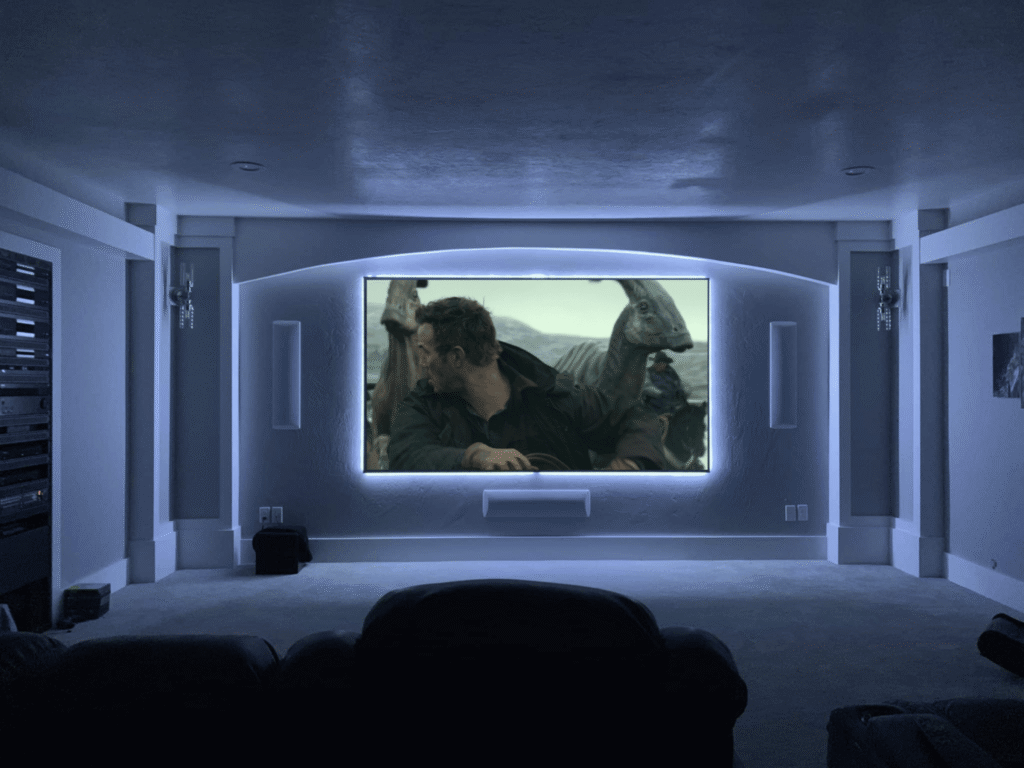
Credit: aisav.com
Usage Scenarios
Choosing between a projector and a TV largely depends on where and how you plan to use your display device. Different environments and purposes highlight the strengths of each option. Understanding these usage scenarios will help you decide which fits your lifestyle better.
Best Conditions For Projectors
Projectors shine in spacious, dimly lit rooms where you want a large, immersive image. If you enjoy movie nights with family or friends, a projector can turn your living room into a mini theater. The bigger the wall, the better the experience.
Think about outdoor gatherings too. A projector works great for backyard movie nights under the stars, where you can project on a plain surface or a portable screen. Just make sure there’s minimal ambient light to keep the picture clear.
- Rooms with controllable lighting
- Large blank walls or screens
- Temporary setups for events or parties
- Outdoor movie nights
Have you noticed how watching sports or gaming on a giant screen feels different? That’s where projectors offer a unique advantage, delivering a cinematic feel that a typical TV can’t match unless it’s very large and expensive.
Ideal Settings For Tvs
TVs work best in well-lit rooms where controlling ambient light is difficult. Their brightness and contrast levels handle daylight and artificial lighting better than most projectors. This makes TVs perfect for everyday use in kitchens, bedrooms, or offices.
Also, if you want a hassle-free setup with consistent picture quality, TVs are the way to go. You don’t need to adjust the placement or worry about shadows falling on the screen. Just turn it on and enjoy.
- Bright rooms with natural or artificial light
- Smaller spaces where a large image isn’t practical
- Locations needing a permanent, stable setup
- Use cases like news, casual TV watching, and gaming
Have you ever struggled to see a projector image clearly in a sunny room? A TV’s superior brightness solves that problem instantly. This makes TVs more reliable for varied daily activities without extra effort.
Energy Consumption
Energy consumption is a key factor when choosing between projectors and TVs. It affects electricity bills and the environment. Understanding how much power each device uses helps make smart decisions.
Power Efficiency
Projectors generally use less power than TVs. Many projectors consume between 150 to 300 watts during use. TVs, especially large LED or OLED models, often use 200 to 400 watts. Some high-end TVs use even more energy.
Projectors also have modes that reduce power use, like eco or standby modes. This can lower electricity costs over time. However, the brightness setting affects power use in both devices. Higher brightness means more energy is needed.
Environmental Impact
Lower energy use means less carbon footprint. Projectors typically produce fewer emissions due to their power efficiency. Using a projector can help reduce overall environmental harm.
TVs, especially larger screens, consume more electricity, increasing environmental impact. The materials and manufacturing process also play a role. Choosing energy-efficient models can reduce this effect.
Recycling and proper disposal are important for both projectors and TVs. Electronics contain materials that can harm the environment if not handled correctly.

Credit: www.instagram.com
Smart Features And Connectivity
In today’s tech-savvy world, choosing between a projector and a TV often boils down to smart features and connectivity. Both offer remarkable options, but projectors are increasingly matching TVs in terms of functionality and compatibility. Let’s dive into the specific areas where projectors shine, allowing you to enjoy a seamless viewing experience.
Built-in Apps And Streaming
Modern projectors are equipped with a variety of built-in apps, just like smart TVs. You can stream your favorite shows on platforms like Netflix, Hulu, and Disney+. This feature means you don’t need additional devices to access streaming services. Imagine projecting a blockbuster movie on a big screen right in your living room with the same ease as watching TV.
Device Compatibility
Projectors today are designed with multiple ports and wireless compatibility, allowing easy connection to laptops, gaming consoles, and smartphones. Whether you’re hosting a movie night or a gaming session, connecting your devices is straightforward. This flexibility lets you switch content sources without hassle, enhancing your entertainment options beyond what a traditional TV can offer.
Wireless Options
Wireless connectivity is a standout feature in projectors, providing options like Bluetooth and Wi-Fi. You can connect speakers wirelessly to enhance audio quality or use screen mirroring to display content from your phone or tablet effortlessly. This wireless freedom means fewer cables cluttering your space and more mobility in setting up your viewing area.
So, what will you choose for your next movie marathon or gaming night—a projector with its vast smart features or a traditional TV setup? The choice is yours, and the possibilities are endless.
Durability And Lifespan
Durability and lifespan are key factors when choosing between projectors and TVs. Understanding how long each device lasts and their common problems helps make a smart choice. Both devices have different strengths in these areas.
Expected Product Lifespan
Projectors usually last between 3,000 and 20,000 hours. This depends on the type of lamp or LED light used. Laser projectors often have a longer lifespan than lamp-based ones.
TVs typically last around 50,000 to 100,000 hours. LED and OLED TVs tend to have longer lifespans than older LCD models. The lifespan also depends on usage and maintenance.
Projectors may need lamp replacements every few years. TVs generally require less frequent repairs or parts replacement.
Common Issues And Repairs
- Projectors can face lamp burnout, overheating, and dust buildup.
- Replacing projector lamps can be costly and tricky.
- TVs often have screen burn-in, dead pixels, or power supply issues.
- Repairing TVs may involve replacing the screen or internal components.
- Projectors need regular cleaning to keep image quality clear.
- TVs require less cleaning but may suffer from physical damage.
Choosing a device with fewer common issues can save money and time. Durability depends on how carefully the device is used and maintained.

Credit: www.youtube.com
User Preferences And Recommendations
Choosing between a projector and a TV often comes down to what matters most to you. Both have unique strengths that cater to different lifestyles and preferences. Understanding when each option shines can help you make a choice you’ll be happy with for years.
When To Choose A Projector
If you crave a cinema-like experience at home, a projector can be a game-changer. Imagine watching your favorite movies on a massive screen—much larger than most TVs—without the bulk or high cost of a giant television.
Projectors are perfect if you have a dedicated dark room or can control the lighting well. Bright rooms or daytime viewing often reduce image clarity, so consider your space carefully. Also, if you enjoy hosting movie nights or gaming with a big group, the projector’s size advantage really stands out.
Another practical reason to choose a projector is portability. You can easily pack it up and take it to a friend’s place or even use it outdoors for backyard movie nights. If your lifestyle involves flexibility and fun gatherings, this is a big plus.
When To Opt For A Tv
TVs excel in bright environments and everyday use. If you watch a lot of daytime TV or live in a sunny room, a TV’s bright, vivid display will serve you better. The image stays sharp regardless of lighting conditions.
Consider a TV if you want a hassle-free setup. Turn it on, and it’s ready to go—no need to adjust angles or focus. This convenience makes TVs ideal for casual viewers or busy households.
Also, if you use your screen for a variety of tasks—streaming, gaming, news, and quick shows—a TV offers better versatility and consistent performance. The built-in smart features on many modern TVs bring apps and services directly to your fingertips.
Frequently Asked Questions
Are Projectors Better Than Tvs For Home Theaters?
Projectors offer larger screen sizes and a cinematic experience. TVs provide better brightness and color accuracy. For dark rooms, projectors excel. For bright environments, TVs perform better. Choice depends on room setup and viewing preferences.
Do Projectors Save Space Compared To Tvs?
Yes, projectors are compact and can be wall or ceiling-mounted. They free up floor space. TVs require dedicated furniture or stands. Projectors offer flexible placement options, ideal for small rooms or minimalist setups.
Is Image Quality Better On Tvs Than Projectors?
Generally, TVs provide sharper images with higher brightness and contrast. Projectors can produce large, immersive images but may lack sharpness in bright rooms. Image quality depends on projector type, resolution, and ambient light conditions.
Which Is More Cost-effective: Projectors Or Tvs?
Projectors often have a lower upfront cost for large screens. However, they may require additional accessories like screens and bulbs. TVs have higher prices for bigger sizes but need less maintenance. Budget and usage influence cost-effectiveness.
Conclusion
Choosing between a projector and a TV depends on your needs. Projectors offer big screens and great for dark rooms. TVs provide bright images and work well in daylight. Consider space, budget, and how you watch content. Both devices have pros and cons to think about.
Your choice should fit your lifestyle and preferences. This way, you enjoy movies and shows your own way.