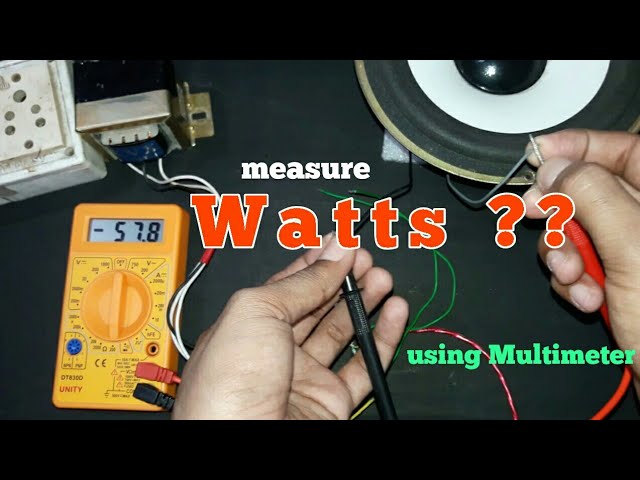
Have you ever wondered exactly how much power your device is using? Knowing how to check watts with a multimeter can save you money, protect your equipment, and boost your DIY confidence.
If you’ve ever felt confused or unsure about measuring electrical power, this guide is made just for you. By the end, you’ll have a simple, step-by-step method to measure watts accurately—no expert skills required. Ready to take control of your electrical devices and understand their energy use?
Let’s dive in.
What Is Wattage
Wattage shows how much power an electrical device uses. It helps to understand energy consumption and efficiency. Knowing wattage is key to using electricity safely and saving money. It tells you the rate of energy flow in watts.
Every electrical item has wattage marked on it. Lights, appliances, and gadgets all have different power needs. Wattage helps you know if your device fits your power source.
Definition Of Wattage
Wattage is the amount of electrical power used or produced. One watt equals one joule of energy per second. It measures how fast energy moves through a circuit.
How Wattage Relates To Electricity
Wattage depends on voltage and current. Voltage is the pressure pushing electric charges. Current is the flow of these charges. Wattage equals voltage multiplied by current.
Why Wattage Matters
Wattage shows how much electricity a device needs to work. It helps avoid overloading circuits. It also guides in selecting the right fuse or breaker.
Common Wattage Values
- Small LED bulbs: 5 to 10 watts
- Phone chargers: 10 to 20 watts
- Microwaves: 700 to 1200 watts
- Air conditioners: 1000 to 4000 watts
Tools Needed
Before you can check watts with a multimeter, gathering the right tools is essential. Having everything ready not only saves time but also keeps you safe while working with electrical devices. Let’s look at what you’ll need to get accurate watt measurements.
Multimeter
Your primary tool is a multimeter that can measure voltage, current, and resistance. Not all multimeters show watts directly, so you might need to calculate watts by multiplying voltage and current. Choose a digital multimeter for easier reading and better precision.
Test Leads
Test leads connect the multimeter to the circuit or device you’re testing. Make sure they are in good condition without cracks or frayed wires. Using insulated leads reduces the risk of electric shock, which is crucial for your safety.
Clamp Meter (optional)
If you want to measure current without breaking the circuit, a clamp meter is handy. It clips around a single conductor and measures current flow directly. This tool is especially useful for AC current measurements.
Protective Gear
Never overlook safety gear. Insulated gloves and safety goggles protect you from accidental shocks or sparks. Keeping safety equipment close by is a smart habit every time you work with electricity.
Calculator Or Phone
Since many multimeters don’t measure watts directly, you’ll need to calculate watts manually. Having a calculator or a smartphone ready helps you multiply voltage and current quickly. This step ensures your watt reading is accurate.
Setting Up The Multimeter
Setting up the multimeter correctly is crucial before measuring watts. This step ensures accurate readings and protects the device. Proper setup involves choosing the correct mode and preparing the probes carefully. Follow these instructions to get started confidently.
Selecting The Right Mode
Turn on the multimeter and locate the dial or menu. Set it to the power or watt measurement mode, often labeled as “W” or “Watts.” If your multimeter lacks a direct watt mode, use voltage and current settings to calculate power manually. Confirm the device supports watt measurements for the best results.
Preparing The Probes
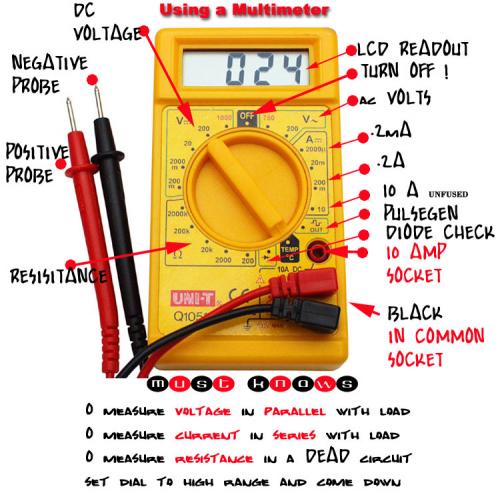
Use the correct probes supplied with the multimeter. Insert the black probe into the common (COM) port. Place the red probe into the port marked for current or watt measurement, usually labeled “A” or “mA.” Check the probe tips for damage and clean them if necessary. Firm connections ensure stable and safe readings.

Credit: www.youtube.com
Measuring Voltage
Measuring voltage is the first step to find power using a multimeter. Voltage tells how strong the electric pressure is in a circuit. Knowing the voltage helps calculate watts accurately. It shows the potential difference between two points in a circuit.
Using a multimeter to measure voltage is simple and safe. The multimeter has different settings for AC and DC voltage. Selecting the right mode is important for correct readings. The multimeter probes connect to the circuit points to check voltage levels.
Setting The Multimeter To Voltage Mode
Turn the dial on the multimeter to the voltage setting. Choose “V” with a straight line for DC voltage. Pick “V” with a wavy line for AC voltage. This ensures the meter reads the right type of voltage.
Connecting The Probes Correctly
Insert the black probe into the common (COM) port. Place the red probe into the port labeled for voltage (V). Touch the black probe to the circuit’s ground or negative point. Touch the red probe to the positive point where voltage is measured.
Reading The Voltage Display
Look at the digital screen on the multimeter after probe contact. The number shown is the voltage across the two points. Note this value for watt calculation. If the reading is unstable, check probe contact or battery power.
Measuring Current
Measuring watts with a multimeter involves checking voltage and current. Multiply these two values to find the power in watts. This helps understand how much energy a device uses.
Measuring current is vital for determining power usage. This process involves using a multimeter to read the flow of electric charge. Knowing how to measure current accurately helps in monitoring and managing energy consumption. Understanding this can prevent electrical failures and optimize device performance.Using Series Connection
To measure current, connect the multimeter in series with the circuit. This setup allows the meter to measure the entire current flowing through. Ensure that the multimeter is set to the correct current range. If unsure, start with the highest setting. This prevents any damage to the device. Make sure connections are secure. Loose connections can give incorrect readings. Verify that the probes are properly inserted into the multimeter. This ensures accurate measurement and reliable data.Ensuring Safety
Safety is crucial when using a multimeter. Always wear protective gear like gloves and goggles. This protects from accidental shocks or sparks. Before starting, ensure the device is off. This minimizes the risk of electrical accidents. Check the multimeter for any damage. Cracks or broken parts can affect its performance. Use a multimeter with intact leads and casing. This guarantees safe operation and precise readings. Follow instructions carefully. Misuse can lead to hazardous situations. Always prioritize safety first.
Credit: www.wikihow.com
Calculating Watts
Calculating watts is essential to understand how much power an electrical device uses. Watts measure the energy consumed or produced over time. Knowing the wattage helps avoid overloading circuits and ensures devices run safely.
You can find watts by using a multimeter in two common ways. One involves measuring voltage and current separately. Another uses a multimeter with a built-in wattage function. Each method provides accurate power readings.
Using Voltage And Current
Calculate watts by multiplying voltage and current. The formula is simple:
| Watts (W) | = | Voltage (V) × Current (A) |
|---|
First, set your multimeter to measure voltage and test across the power source. Then switch the multimeter to measure current in series with the device. Multiply these two readings to get the wattage.
- Measure voltage in volts (V)
- Measure current in amperes (A)
- Multiply values for watts (W)
This method works well for simple DC circuits. For AC circuits, consider the power factor for accuracy.
Using Multimeter With Wattage Function
Some multimeters have a wattage measurement feature. This function directly shows power consumption. It simplifies the process by combining voltage and current readings internally.
- Connect the meter according to the manual
- Set the multimeter to wattage mode
- Read the wattage value on the display
This method saves time and reduces calculation errors. It is ideal for quick checks on electrical devices.
Common Mistakes To Avoid
Common errors include mixing up voltage and current settings on the multimeter. Avoid measuring watts without calculating or knowing the correct formula. Always ensure the multimeter is set properly to prevent damage or wrong readings.
Checking watts with a multimeter can be tricky. Many people make mistakes that lead to wrong readings. These errors can damage your device or multimeter. Understanding common mistakes helps you get accurate results. Let’s explore some frequent errors to avoid.Incorrect Multimeter Settings
Using wrong settings is a common mistake. Always choose the correct setting before measuring. Incorrect settings may cause inaccurate readings. Check your multimeter’s manual for guidance.Not Connecting Properly
Improper connections are another issue. Ensure your probes are securely connected. Loose connections lead to faulty measurements. Double-check connections before proceeding.Ignoring The Voltage Limit
Exceeding voltage limits can be dangerous. Every multimeter has a voltage limit. Ignoring it can damage your device. Always check the voltage limit beforehand.Misreading Display Units
Display units can be confusing. Multimeters show readings in different units. Misreading these units leads to errors. Familiarize yourself with the unit symbols.Overlooking Safety Precautions
Safety is crucial when using a multimeter. Many overlook basic safety measures. Wear protective gear and follow safety guidelines. This prevents accidents and ensures accurate readings.Using Damaged Probes
Damaged probes can give wrong readings. Regularly inspect your probes for damage. Replace them if necessary. Reliable probes lead to accurate results.Tips For Accurate Measurements
Taking accurate watt measurements with a multimeter requires care and attention. Small mistakes can lead to wrong readings. Follow these tips to get precise results and avoid common errors.
Use The Correct Multimeter Setting
Select the right mode for power measurement on your multimeter. Many models do not measure watts directly. Use voltage and current settings to calculate watts instead.
Ensure Proper Connection
Connect the multimeter probes correctly in the circuit. The current probe must be in series. The voltage probe should be parallel to the load. Poor connections cause inaccurate readings.
Check Battery And Device Condition
A weak multimeter battery can affect accuracy. Replace old batteries before testing. Also, ensure the device or circuit is stable during measurement.
Measure Voltage And Current Separately
Measure voltage and current separately for better precision. Then multiply these values to find watts. This method reduces errors from direct watt measurement.
Use Proper Range Settings
Set the multimeter range slightly above the expected measurement. Avoid auto-range if it causes slow or unstable readings. A correct range gives faster and clearer results.
Avoid Interference And Noise
Keep the testing area free from electrical noise and interference. Turn off nearby devices that may affect readings. Hold probes steady to avoid fluctuations.
Double-check Measurements
Take multiple readings to confirm consistency. Cross-check with known values or another meter if possible. This helps to verify the accuracy of your results.
Credit: visforvoltage.org
Frequently Asked Questions
How Do I Measure Watts Using A Multimeter?
To measure watts, multiply voltage (V) by current (A). Use the multimeter to find volts and amps first. Then calculate watts with the formula: Watts = Volts × Amps.
Can A Multimeter Directly Measure Power In Watts?
No, most multimeters cannot directly measure watts. They measure voltage, current, and resistance. You calculate watts manually using those readings.
What Settings Should I Use On A Multimeter To Check Watts?
Set your multimeter to measure voltage (V) and current (A) separately. Record both values, then multiply to find watts.
Is It Safe To Measure Watts With A Multimeter?
Yes, it is safe if you follow proper precautions. Always use the correct multimeter settings and avoid touching live wires.
Conclusion
Checking watts with a multimeter is simple and useful. First, set your multimeter to measure voltage and current. Then, multiply these values to find watts. Always be careful and follow safety steps. Regular practice helps you read measurements better. This skill saves time and money on electrical tasks.
Try it yourself and see the difference. Understanding watts makes working with electronics easier and safer.