
Are you struggling to find the perfect fit for your track shoes? Getting the right fit can make all the difference in your performance and comfort on the track.
If your shoes are too tight, they can cause pain and blisters. Too loose, and you risk slipping or losing speed. You’ll discover exactly how track shoes are supposed to fit, so you can run faster, feel better, and avoid common mistakes.
Keep reading to learn the simple tips that will transform the way your shoes feel every time you hit the track.
Choosing The Right Size
Choosing the right size for track shoes is crucial for comfort and performance. Shoes that fit well help prevent injuries and improve speed. Track shoes should feel snug but not tight. Proper sizing supports your feet during intense activity and long training sessions.
Measuring Your Feet Accurately
Measure your feet at the end of the day. Feet tend to swell and are largest then. Use a ruler or tape measure to find the length from heel to longest toe. Measure both feet to check for size differences. Choose the size that fits the larger foot.
Considering Sock Thickness
Wear the socks you plan to run with when trying shoes. Thin socks need less space inside the shoe. Thick socks require more room. This affects the overall fit and comfort. Measure your feet with socks on for best results.
Account For Foot Swelling
Feet swell during running and other activities. Leave some extra space in the shoe to allow for swelling. Shoes that are too tight will cause pain and blisters. A small gap, about a thumb’s width, between toes and shoe tip is ideal.

Credit: www.latimes.com
Key Fit Areas To Check
Proper fit is crucial for track shoes. It helps avoid injuries and boosts performance. Checking key fit areas ensures comfort and support during running. These areas include the heel, toes, arch, and overall width. Each part plays a role in how the shoe feels and performs.
Heel Securement
The heel should feel snug but not tight. It must stay in place without slipping. A loose heel can cause blisters or instability. A secure heel helps maintain balance and control on the track.
Toe Room
Toes need enough space to move freely. There should be about a thumb’s width between toes and shoe tip. Cramped toes can lead to pain and blisters. Proper toe room allows natural foot movement during sprints and jumps.
Arch Support
Arch support helps distribute pressure evenly. It reduces strain on the feet during running. Choose shoes that match your arch type—high, normal, or flat. Good arch support improves comfort and prevents fatigue.
Width And Volume
The shoe’s width must match your foot’s shape. Too narrow causes pinching; too wide reduces stability. Volume refers to the shoe’s internal space. It should fit your foot without extra gaps or pressure points.
Types Of Track Shoes And Fit Variations
Track shoes come in different types, each designed for specific events and fit needs. The right fit depends on the shoe type and the race distance. Understanding these differences helps athletes choose shoes that feel comfortable and improve performance.
Fit variations occur because sprinters, middle-distance runners, and distance runners have unique foot movements and pressure points. Track shoes must support these demands to prevent injury and boost speed.
Sprint Spikes
Sprint spikes have a very snug fit. They are lightweight and tight to keep the foot stable during fast, explosive movements. These shoes often feel firmer around the toes and midfoot. The tight fit helps prevent the foot from sliding inside the shoe during quick starts and powerful strides.
Distance Spikes
Distance spikes offer a slightly looser fit than sprint spikes. Comfort for longer runs is a priority. These shoes have more cushioning and allow some space in the toe box. This extra room helps reduce pressure and avoids blisters during longer races. The fit balances support with comfort to keep feet fresh.
Middle Distance Shoes
Middle distance shoes fit between sprint and distance spikes. They are snug but not as tight as sprint shoes. These shoes provide a mix of speed and comfort. The fit supports quick foot turnover and offers enough cushioning for moderate distances. This balance helps runners maintain speed without discomfort.
Trying On Track Shoes
Trying on track shoes is more than just slipping them on and checking the size. It’s about ensuring they fit your feet perfectly to boost your performance and prevent injury. Let’s look at how you can make the most of your fitting experience.
Best Time Of Day To Try On
Your feet change throughout the day, swelling after hours of activity. Trying on track shoes in the evening or after a workout gives a more accurate fit. This way, you avoid shoes that feel fine in the morning but become too tight later.
Testing Fit With Socks
Always wear the type of socks you plan to run in when trying on track shoes. Thicker or thinner socks affect the fit and comfort. If you switch sock types, your shoes might feel too loose or too tight during a race.
Simulating Running Movements
Don’t just stand still—move around in the shoes. Jog, sprint a few steps, and change directions to see how they respond. Notice if your heel slips or toes feel cramped; these signs mean you need a different size or style.
Common Fit Issues And Fixes
Track shoes must fit properly for comfort and performance. Common fit issues can cause pain and reduce efficiency. Knowing how to fix these problems helps keep your feet healthy and fast.
Blisters And Hot Spots
Blisters form from friction between the shoe and skin. Hot spots are early signs of blisters. Tight shoes or rough seams cause these issues. To prevent them:
- Wear thin, moisture-wicking socks.
- Use blister pads or tape on sensitive areas.
- Break in shoes gradually with short runs.
- Choose shoes with smooth, seamless interiors.
Slippage Problems
Slippage happens when your heel or foot moves inside the shoe. It reduces stability and speed. Loose laces or wrong shoe size cause slippage. Fix it by:
- Tightening laces securely but not too tight.
- Trying insoles for a better fit.
- Selecting shoes with a snug heel cup.
- Ensuring the shoe length is correct—no extra space.
Pressure Points
Pressure points cause sharp pain on certain foot spots. They come from tight areas or poor shoe shape. These spots can lead to calluses or bruises. To relieve pressure points:
- Wear shoes that match your foot width.
- Use cushioned insoles or pads.
- Adjust lacing patterns to ease tight spots.
- Choose shoes with flexible uppers to reduce pressure.

Credit: www.runnersworld.com
Breaking In Your Track Shoes
Track shoes should fit snugly, yet comfortably, providing support without pinching. A secure fit prevents slipping and blisters during runs. Ensure toes have room to move, avoiding cramped spaces.
Breaking in your track shoes is crucial for comfort and performance. New shoes can feel stiff and may cause discomfort. Properly breaking them in helps prevent blisters and ensures a snug fit. Let’s explore some effective ways to break in your track shoes.Gradual Wear-in Process
Start by wearing your track shoes for short periods. Gradually increase the duration each day. This allows your feet to adjust to the shoes’ structure. Use them during light activities to ease into the fit. Over time, the shoe material will become more flexible.Stretching Techniques
Stretching your shoes can accelerate the break-in process. Try wearing thick socks to widen the shoe slightly. You can also gently bend the shoe in different directions. Some athletes use shoe stretchers for a quicker result. This helps the shoe mold to your foot shape.When To Replace
Track shoes have a limited lifespan. Monitor the shoe’s condition regularly. Replace them when the sole wears out or support diminishes. Worn-out shoes can lead to injuries. Check for signs of damage and discomfort. A fresh pair ensures optimal performance on the track.Expert Tips For Lasting Comfort
Lasting comfort in track shoes depends on a perfect fit and smart adjustments. Small changes can prevent pain and improve performance. Simple tips help keep your feet happy during long training sessions or races.
Lacing Techniques
Lacing controls how tight the shoe feels around your foot. Use different lacing patterns to relieve pressure points or support specific areas. Try these ideas:
- Runner’s loop to lock your heel and prevent slipping.
- Skip eyelets to reduce tightness on the top of your foot.
- Use elastic laces for a snug fit that stretches with movement.
Experiment with lacing to find what feels best for your foot shape.
Custom Insoles
Custom insoles add support where your foot needs it most. They improve comfort and reduce fatigue. Consider insoles if your arches are high or low. They help absorb shock and align your foot better inside the shoe.
Visit a specialist to get insoles made for your feet. This small investment can make a big difference in comfort and performance.
Maintenance For Fit
Shoes change shape over time, affecting the fit. Keep your track shoes in good condition to maintain comfort. Follow these tips:
- Store them in a cool, dry place to avoid damage.
- Clean them regularly to prevent material breakdown.
- Check for worn-out insoles and replace them when needed.
- Rotate between two pairs to extend shoe life.
Proper care helps your shoes keep their shape and support your feet better.
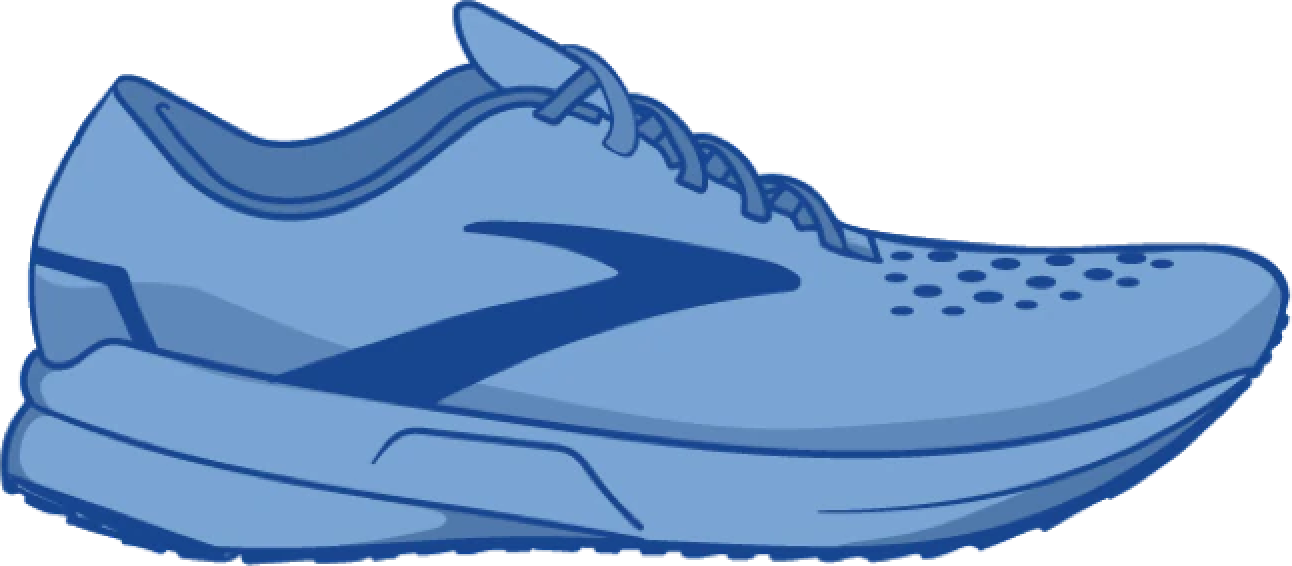
Credit: www.brooksrunning.com
Frequently Asked Questions
How Tight Should Track Shoes Fit?
Track shoes should fit snugly without causing pain. They must hold your foot securely to prevent slipping during sprints or jumps.
Can Track Shoes Be Too Loose?
Yes, loose track shoes reduce performance and increase injury risk. Proper fit ensures stability and efficient energy transfer while running.
Should Track Shoes Have Extra Toe Room?
Minimal toe room is ideal to maintain control and speed. Too much space can lead to blisters and reduced responsiveness.
How To Test Track Shoe Fit Properly?
Try shoes on with race socks and run short sprints. Ensure no slipping, pinching, or discomfort before finalizing your choice.
Conclusion
Choosing the right fit for track shoes matters a lot. Shoes should feel snug but not tight. Your toes need some wiggle room to stay comfortable. Check the fit by walking or running a few steps. Proper fit helps prevent injuries and improves your speed.
Remember, every brand fits a little differently. Take your time to find the best size. Happy running starts with well-fitting shoes!