Have you ever wondered why USB-C hubs come with such a high price tag? If you’ve been shopping for one, you probably noticed that some models cost way more than you expected.
You might be asking yourself, “Are they really worth it? ” or “What makes these hubs so expensive? ” you’ll discover the surprising reasons behind their cost. Understanding this will help you make smarter choices and get the best value for your money.
Keep reading, because what you learn here could change the way you shop for tech accessories forever.
Credit: medium.com
Price Drivers Behind Usb C Hubs
USB C hubs have become essential gadgets for anyone needing to connect multiple devices through a single port. But why do these hubs often come with a hefty price tag? Understanding the key factors behind their cost can help you make smarter purchasing decisions and appreciate what you’re paying for.
Advanced Technology Components
USB C hubs use cutting-edge technology to support fast data transfer, power delivery, and video output all at once. The chips inside aren’t simple; they manage multiple protocols simultaneously, which requires sophisticated design and expensive materials.
Some hubs include extra features like 4K HDMI support or high-wattage charging. These additions push the cost higher because the components must be top-tier to handle the demands without overheating or failing.
Complex Manufacturing Processes
Producing USB C hubs is no walk in the park. The tiny circuits need precise assembly, often done with automated machines in clean environments to avoid damage.
Each hub undergoes multiple quality checks to ensure it works perfectly with various devices. This thorough testing adds time and cost but prevents frustrating failures once the hub reaches your hands.
Quality And Durability Standards
You want your USB C hub to last and perform reliably. Manufacturers often use durable materials like aluminum casing and reinforced connectors to withstand daily wear and tear.
These quality choices increase production costs but save you from constantly replacing cheap hubs. Think about how many times you’ve had to buy a new adapter because the last one broke—investing more upfront can save hassle and money in the long run.

Credit: www.amazon.com
Features Impacting Cost
Understanding why USB-C hubs come with a hefty price tag starts with looking at the features they offer. Each feature adds complexity and cost to the design and manufacturing process. Let’s break down the key elements that impact the cost and see what you really pay for.
Port Variety And Compatibility
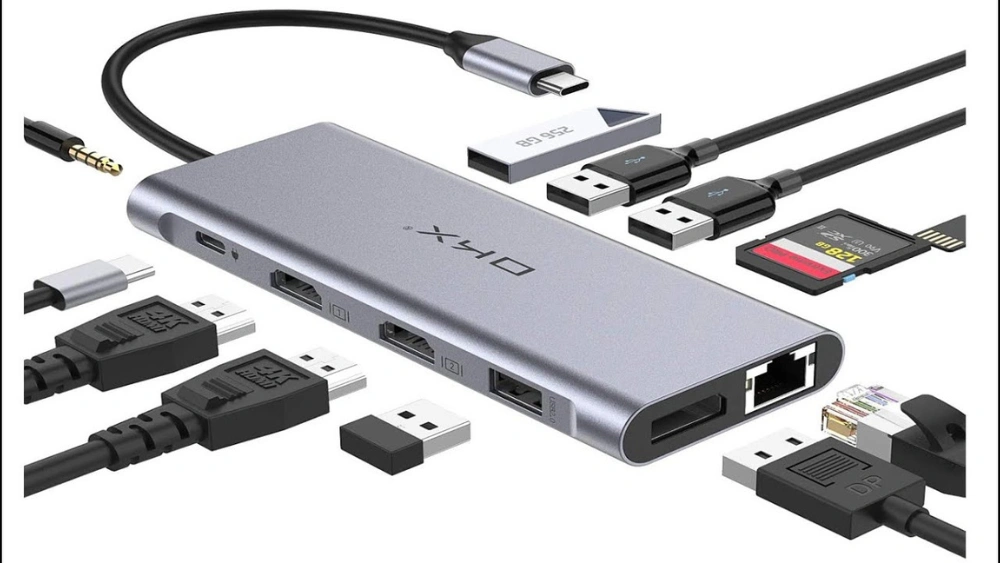
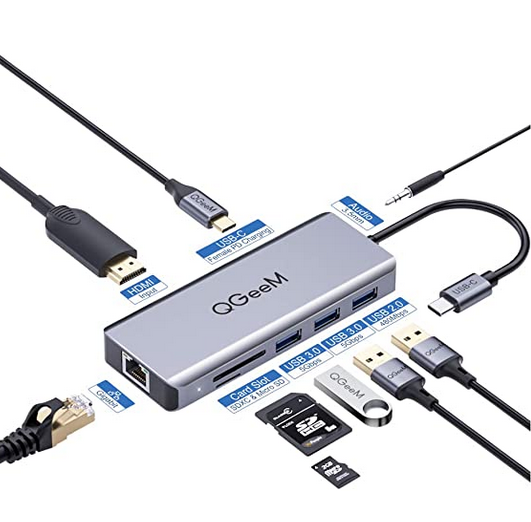
USB-C hubs often pack multiple ports—HDMI, USB-A, SD card readers, Ethernet, and more. The wider the variety, the more complex the internal circuitry becomes, which raises production costs.
Not all devices support every port type equally. Ensuring compatibility across different laptops, tablets, and phones requires extensive testing and sometimes custom chips. Have you ever bought a hub that didn’t work perfectly with your device? That’s why quality hubs invest in broad compatibility.
Data Transfer Speeds
Speed matters. If you regularly move large files or stream high-resolution video, your hub needs to support fast data transfer rates like USB 3.1 or Thunderbolt 3.
Higher speeds demand better components and tighter manufacturing tolerances, which cost more. Cheaper hubs often cut corners here, resulting in slower speeds or unreliable connections.
Think about your daily tasks—do you need a hub that can handle fast transfers, or will basic speeds suffice? Your choice affects the price.
Power Delivery Capabilities
Many USB-C hubs offer power delivery (PD), allowing you to charge your laptop or other devices through the hub. Supporting PD means the hub must safely manage significant power levels.
This requires advanced circuitry and safety features to prevent overheating or damage, increasing the hub’s complexity and cost. Hubs with higher wattage PD support usually come at a premium.
Ask yourself: how important is charging through your hub? If you rely on a single port to power multiple devices, investing in strong PD features is worth the extra cost.
Brand Influence On Pricing
Brand reputation raises the price of USB-C hubs. Trusted names charge more because buyers expect quality and durability from them. This trust often justifies the higher cost.
Brand Influence on Pricing In the tech world, brand names carry weight. This is true for USB C hubs. Different brands set prices based on their reputation. Consumers often pay more for trusted names. This is not just about the product itself. It involves how a brand is perceived in the market.Reputation And Trust Factors
A brand’s reputation affects pricing significantly. Well-known brands have built trust over time. This trust makes consumers willing to pay extra. They believe in the quality and reliability of these brands. Lesser-known brands might offer similar products at lower prices. But they struggle to match the trust factor.After-sales Support And Warranty
Customer service impacts brand value. Brands with strong after-sales support can charge more. They offer peace of mind with warranties and support. Consumers feel secure knowing help is available if needed. This assurance adds to the product’s perceived value.Marketing And Distribution Costs
Marketing plays a role in brand pricing. Big brands invest heavily in advertising. These costs are often passed on to the consumer. They ensure the brand stays visible and competitive. Distribution costs also contribute to pricing. Efficient distribution networks are expensive to maintain. Brands factor these expenses into their pricing strategies.Credit: www.engadget.com
Market Dynamics And Competition
The price of USB-C hubs is influenced heavily by the shifting market dynamics and intense competition. Understanding these factors reveals why some hubs come with a steep price tag, while others are more affordable. It’s not just about the features but also the environment in which these products are made and sold.
Supply Chain Constraints
Supply chain issues play a big role in driving up costs. Components like chips and connectors can be hard to source, especially during global disruptions. If a manufacturer faces delays or shortages, these costs often pass down to you.
Think about the last time you ordered tech gear online and experienced delays or higher prices. That’s a direct effect of these supply chain challenges. These constraints limit how many hubs companies can produce, pushing prices higher due to limited availability.
Demand Fluctuations
Demand for USB-C hubs can spike unexpectedly, especially with new device releases or remote work trends. When more people need multi-port adapters, sellers raise prices to match what the market will bear. Have you noticed higher prices when a new laptop model drops? That’s demand at work.
On the flip side, when demand slows down, prices may drop, but manufacturers try to maintain profitability, which keeps prices from falling too low. This constant dance between supply and demand creates a pricing environment that can feel unpredictable to buyers.
Emerging Technologies
New tech inside USB-C hubs, like faster data transfer and better power delivery, also adds to the cost. Manufacturers invest heavily in research and development to bring these improvements to your desk. That investment needs to be recovered through product pricing.
Additionally, compatibility with the latest devices and standards means hubs often include cutting-edge components, which aren’t cheap. So, when you pay more for a premium hub, you’re also paying for future-proofing your setup.
Cost Vs. Value In Usb C Hubs
Understanding the cost versus value in USB C hubs helps you make smarter buying decisions. At first glance, some USB C hubs seem pricey compared to basic adapters. But looking deeper, the price often reflects the benefits and quality packed into the device.
Long-term Benefits
Cheaper hubs may save you money today but could fail sooner. A well-built USB C hub lasts longer, saving replacement costs and downtime. Think about how often you’ve had to replace a low-quality charger or cable—would you want to repeat that with a hub?
Durability means fewer interruptions to your workflow. You get consistent performance over time without the hassle of troubleshooting connection issues. Isn’t it worth investing upfront to avoid constant replacements?
User Experience Enhancements
More expensive hubs often come with features that improve your daily use. This includes faster data transfer speeds, better power delivery, and multiple ports designed for diverse devices. Have you noticed how a laggy connection or slow charging can disrupt your tasks?
Good USB C hubs also reduce clutter and simplify your workspace. They help you connect everything seamlessly, from external monitors to storage drives. This convenience adds real value to your setup beyond just the hardware.
Investment In Reliability
Price often reflects the quality of components inside the hub. Reliable hubs use premium chips and materials to ensure stable connections and prevent overheating. How often do you risk losing data or damaging devices because of a faulty hub?
Manufacturers of high-quality hubs typically back their products with warranties and customer support. This safety net protects your purchase and gives you peace of mind. Paying more upfront can mean less stress and better protection for your tech gear.
Frequently Asked Questions
Why Do Usb C Hubs Cost More Than Regular Hubs?
USB C hubs use advanced technology to support fast data and power transfer. They require premium materials and chips. These factors increase manufacturing costs, making them pricier than regular hubs.
What Features Make Usb C Hubs Expensive?
Multiple ports, high-speed data transfer, 4K video support, and power delivery add to costs. High-quality build and brand reputation also contribute to the price.
Are Expensive Usb C Hubs More Durable?
Yes, costly USB C hubs often use better materials and components. This improves durability and reliability over cheaper options.
Can Cheaper Usb C Hubs Cause Device Damage?
Low-quality hubs may lack proper protections, risking device damage. Investing in trusted, expensive hubs ensures safety and performance.
Conclusion
USB-C hubs cost more because of their complex design and quality parts. They need to support fast data transfer and power delivery. Brands also invest in testing and safety features. This raises production costs. Plus, new technology often means higher prices.
Choosing a hub means balancing price with features and durability. Remember, a good hub can save time and protect your devices. So, the higher price often reflects better performance and reliability.