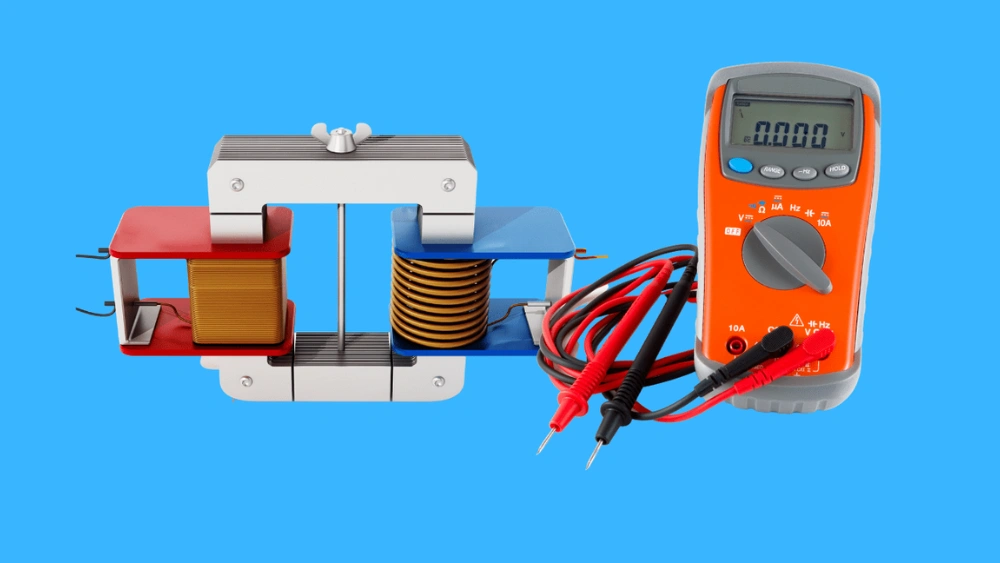
Are you wondering if your transformer is working properly or if it needs a replacement? Testing a transformer with a multimeter is easier than you might think, and it can save you time and money.
You’ll learn simple, step-by-step methods to check your transformer’s health quickly and safely. Whether you’re a beginner or just need a refresher, these clear instructions will guide you through every step. Keep reading to unlock the secret to diagnosing your transformer with confidence!
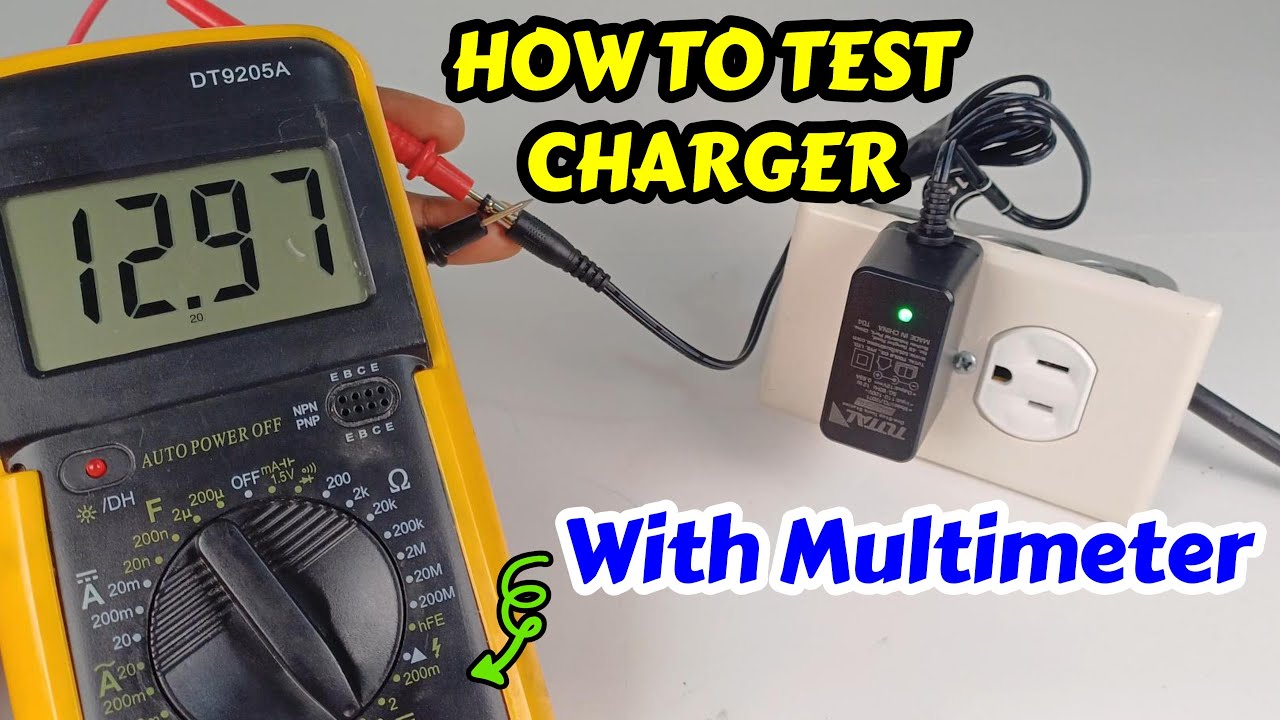
Credit: www.youtube.com
Tools Needed
Testing a transformer with a multimeter requires specific tools for accurate and safe results. Having the right equipment helps you check the transformer’s condition effectively. This section covers the essential tools needed for the task.
Choosing The Right Multimeter
Select a multimeter that can measure resistance, voltage, and continuity. Digital multimeters are preferred for clear readings. Ensure the multimeter has a suitable range for testing transformers. Look for features like auto-ranging and a backlit display for ease of use. A reliable multimeter ensures precise measurement of the transformer’s coils and connections.
Additional Equipment
Besides the multimeter, a few other tools help complete the test safely and efficiently. Use insulated test leads to prevent accidental shocks. A screwdriver or pliers may be needed to access the transformer terminals. A notebook and pen can help record your readings for comparison. Safety gloves protect your hands from electrical hazards. These extra tools improve the testing process and keep you safe.
Safety Precautions
Testing a transformer with a multimeter requires more than just technical know-how—it demands strict attention to safety. Ignoring safety precautions can lead to electric shock, damage to your equipment, or inaccurate readings. Before you pick up your multimeter, take a moment to understand the safety steps that protect both you and your device.
Power Off And Unplug
Always make sure the transformer is completely powered off before you start testing. This means turning off the main switch and unplugging the transformer from any electrical outlet. Have you ever felt a sudden shock because you forgot this simple step? It’s a common mistake that can cause serious injury.
Double-check that no residual voltage remains by testing the input terminals with your multimeter set to measure voltage. If you detect any voltage, wait until it fully discharges. This step ensures your safety and prevents damage to your multimeter.
Handling Transformer Components
Transformers have delicate windings and terminals that can be easily damaged if handled roughly. Use insulated tools and avoid touching the metal parts directly with your hands. This reduces the risk of electric shock and prevents contaminating the contacts with oils or dirt.
Wear protective gloves and keep your workspace dry and clean. Moisture can increase the risk of short circuits or shocks. Have you prepared a safe, clutter-free area before testing? This small effort can save you from accidents and improve the accuracy of your measurements.
Checking Transformer Continuity
Checking transformer continuity is a key step when testing transformers with a multimeter. This process helps you find out if the internal windings are intact or broken. Without continuity, the transformer won’t function correctly, so it’s important to test before moving forward.
Setting Multimeter To Continuity Mode
First, you need to set your multimeter to the continuity mode. Most multimeters have a symbol that looks like a sound wave or diode. This mode lets the meter beep when there is a complete path for current, which means continuity.
Make sure your multimeter’s probes are connected correctly: the black probe in the common (COM) port and the red probe in the voltage/resistance port. Touch the probes together to hear a beep. This confirms your multimeter is ready for the test.
Testing Primary And Secondary Windings
Next, test the transformer’s primary winding by placing the probes on its two input terminals. If the multimeter beeps, the winding is continuous and not broken. No beep means the winding is damaged or open.
Repeat the same process on the secondary winding terminals. Each winding should show continuity independently. If either winding fails this test, the transformer needs repair or replacement.
Have you ever encountered a transformer that seemed fine visually but failed this simple continuity test? It’s a quick check that can save you hours of troubleshooting later on.
Measuring Resistance
Measuring resistance in a transformer is a key step in checking its health and functionality. It helps you identify issues like short circuits or open windings without applying power. With just a multimeter, you can get valuable insights into your transformer’s condition before moving on to more complex tests.
Adjusting Multimeter For Resistance
First, set your multimeter to the resistance mode, often marked as Ω or “Ohms.” If your multimeter has multiple resistance ranges, choose one that fits the expected resistance of the transformer winding—usually a low range for primary windings and a higher range for secondary windings.
Make sure the transformer is disconnected from any power source and other circuits to avoid inaccurate readings. Touch the multimeter probes together to check for a zero or near-zero reading; this confirms your meter is ready to measure resistance accurately.
Interpreting Resistance Values
Low resistance readings typically indicate that the winding is intact and continuous, but extremely low values can suggest a shorted turn within the coil. On the other hand, a very high or infinite resistance points to an open winding or broken wire.
Compare your readings with the manufacturer’s specifications or a similar, known-good transformer. If the resistance value is off by a significant margin, it’s a strong sign that the transformer needs repair or replacement.
Have you ever tested a transformer only to find the resistance was unexpectedly high? It’s a moment that forces you to rethink your troubleshooting approach and dig deeper into the problem.
Testing For Short Circuits
Testing for short circuits in transformers is crucial for maintaining efficient performance and preventing potential hazards. A short circuit can lead to overheating, component damage, or even a complete failure. Using a multimeter allows you to pinpoint these issues before they escalate. This section will guide you through identifying shorts between windings and detecting ground shorts, ensuring your transformer operates safely and effectively.
Identifying Shorts Between Windings
To identify shorts between windings, set your multimeter to resistance mode. This setting helps you measure the ohms between the primary and secondary windings.
- Disconnect the transformer from any power source. Safety first is always a priority.
- Place the multimeter probes on the terminals of the windings. You should see a high resistance value.
- If the resistance is significantly lower than expected, it indicates a short circuit between the windings.
Why is this important? A short between windings can cause inefficient energy transfer and potential damage. Regular checks can save you from costly repairs.
Detecting Ground Shorts
Ground shorts happen when there’s unwanted contact between the winding and the transformer core or casing. Detecting these requires a slightly different approach.
- Set your multimeter to continuity mode. This setting helps you check for connectivity between the winding and the ground.
- Connect one probe to the winding terminal and the other to the transformer’s metal casing.
- If you hear a beep or see continuity, there’s a ground short present.
Imagine discovering a ground short just before a major operation. It could save you from downtime and potential damage. What other maintenance checks could you incorporate to enhance your transformer’s lifespan?
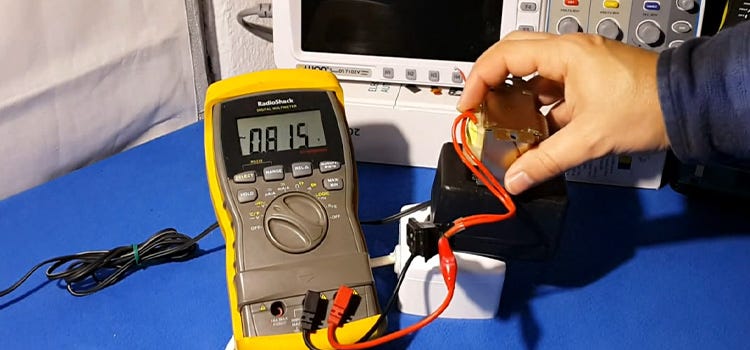
Credit: medium.com
Verifying Voltage Output
Verifying the voltage output is a key step in testing a transformer with a multimeter. This process confirms if the transformer delivers the correct voltage as per its specifications. Checking the output voltage helps identify problems like short circuits or coil damage early. A precise measurement ensures the transformer works safely and efficiently for your devices.
Setting Up For Ac Voltage Measurement
Begin by turning off the power to the transformer. Set your multimeter to measure AC voltage (VAC). Connect the multimeter probes to the transformer’s output terminals. Ensure the probes make firm contact with the terminals. Keep the multimeter leads insulated to avoid accidental shocks. Double-check the multimeter settings before powering on the transformer.
Measuring Output Voltage Safely
Switch on the power supply to the transformer. Watch the multimeter display for the voltage reading. The reading should match the transformer’s rated output voltage. If the reading is too low or zero, the transformer may be faulty. Never touch exposed wires or terminals during measurement. Use insulated tools and maintain a safe distance from live parts. Turn off power immediately after testing to prevent hazards.
Troubleshooting Common Issues
Troubleshooting common issues when testing a transformer with a multimeter can save you both time and money. Understanding what unusual readings mean and knowing when to replace the transformer are key steps in this process. Let’s dive into how to handle these challenges effectively.
Interpreting Unusual Readings
Sometimes, your multimeter may show unexpected values when testing a transformer. For instance, a reading of infinite resistance could indicate an open winding, meaning there’s a break somewhere in the coil. On the other hand, a very low resistance might point to a short circuit within the windings.
Pay close attention to the expected resistance values from the transformer’s datasheet or manual. If the readings are wildly off, it’s a clear sign something’s wrong. Also, fluctuations in readings when moving the probes could suggest loose connections or damaged wires.
Have you ever encountered a reading that just didn’t make sense? Double-check the multimeter settings and the test points before jumping to conclusions. Sometimes, the cause is as simple as a wrong measurement mode or a poor contact.
When To Replace The Transformer
Knowing when to replace your transformer is crucial. If your tests show open or shorted windings, replacement is often the safest bet. Transformers with insulation breakdowns or physical damage rarely recover, even if you attempt repairs.
Another red flag is inconsistent voltage output during testing. If the voltage varies significantly under load, it indicates internal faults. Keep in mind that transformers are designed for reliability, so frequent failures usually mean it’s time for a new unit.
Ask yourself: is the cost of repair worth the risk of another failure? Sometimes investing in a new transformer saves you from bigger problems down the road. Your safety and device performance depend on a healthy transformer.

Credit: medium.com
Frequently Asked Questions
How Do I Test A Transformer With A Multimeter?
To test a transformer, set the multimeter to the resistance mode. Measure the primary and secondary coil resistance. A very high or infinite reading indicates a broken coil. Low resistance suggests the coil is intact. Compare values with the manufacturer’s specifications for accuracy.
Can A Multimeter Detect Transformer Winding Faults?
Yes, a multimeter can detect winding faults by measuring resistance. Open windings show infinite resistance, while shorted windings show unusually low resistance. This helps identify damaged coils before using the transformer in a circuit.
What Resistance Values Indicate A Good Transformer Coil?
Good transformer coils typically show low resistance values, usually a few ohms. Extremely high or infinite resistance means a broken coil. Always compare readings to the transformer’s datasheet to confirm if the resistance is within the acceptable range.
Is It Safe To Test A Transformer Without Disconnecting Power?
No, always disconnect the transformer from power before testing. Testing live transformers can damage your multimeter and pose safety hazards. Ensure all power sources are off and the transformer is discharged before measuring.
Conclusion
Testing a transformer with a multimeter is simple and effective. You only need basic tools and clear steps. Measuring resistance and continuity helps find faults fast. This check saves time and prevents bigger problems. Always follow safety rules to avoid accidents.
Practice these tests to gain confidence. Soon, you will spot issues without help. Keep your multimeter handy for quick checks. Stay safe, stay prepared.